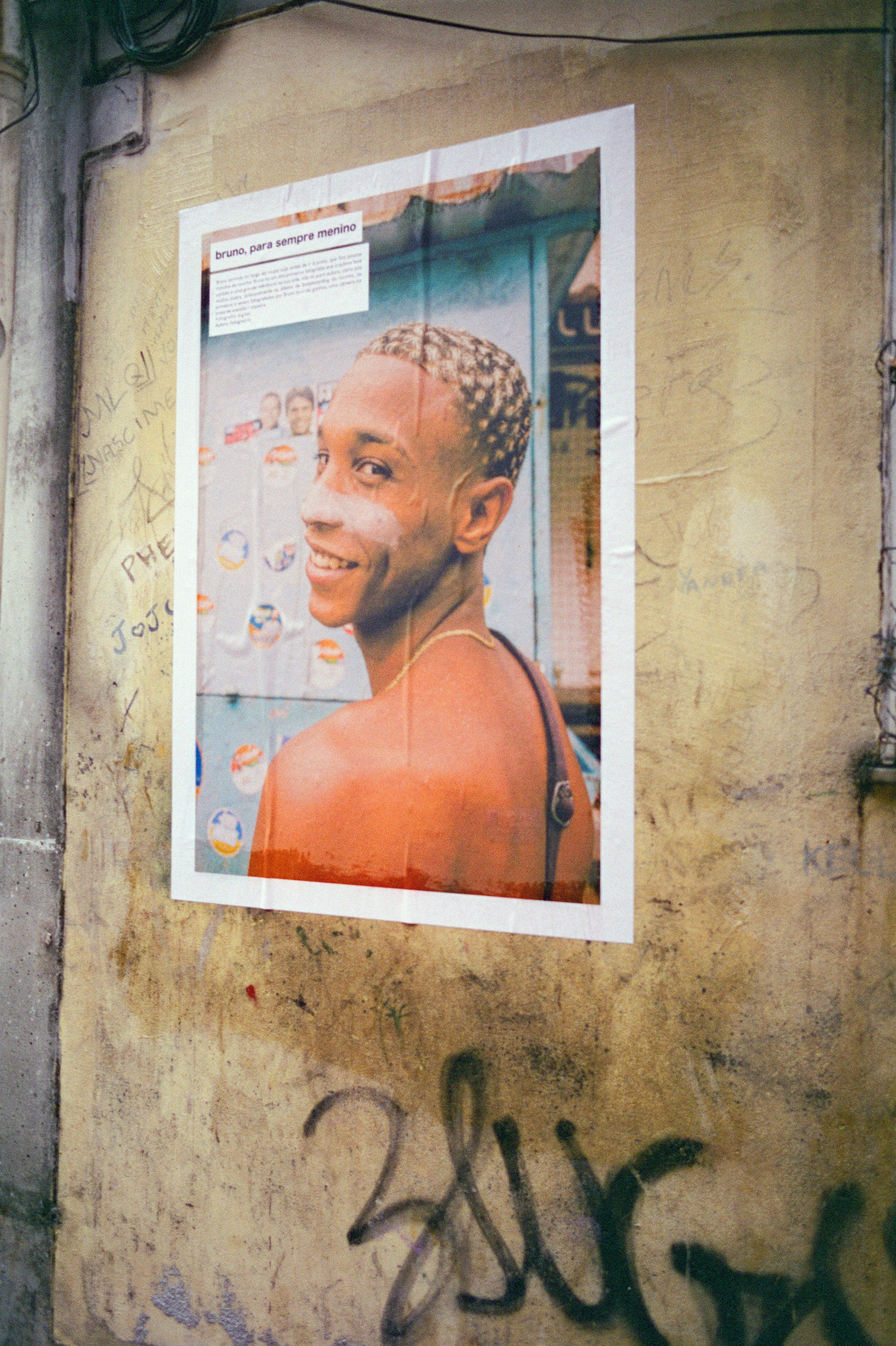
01wall 1
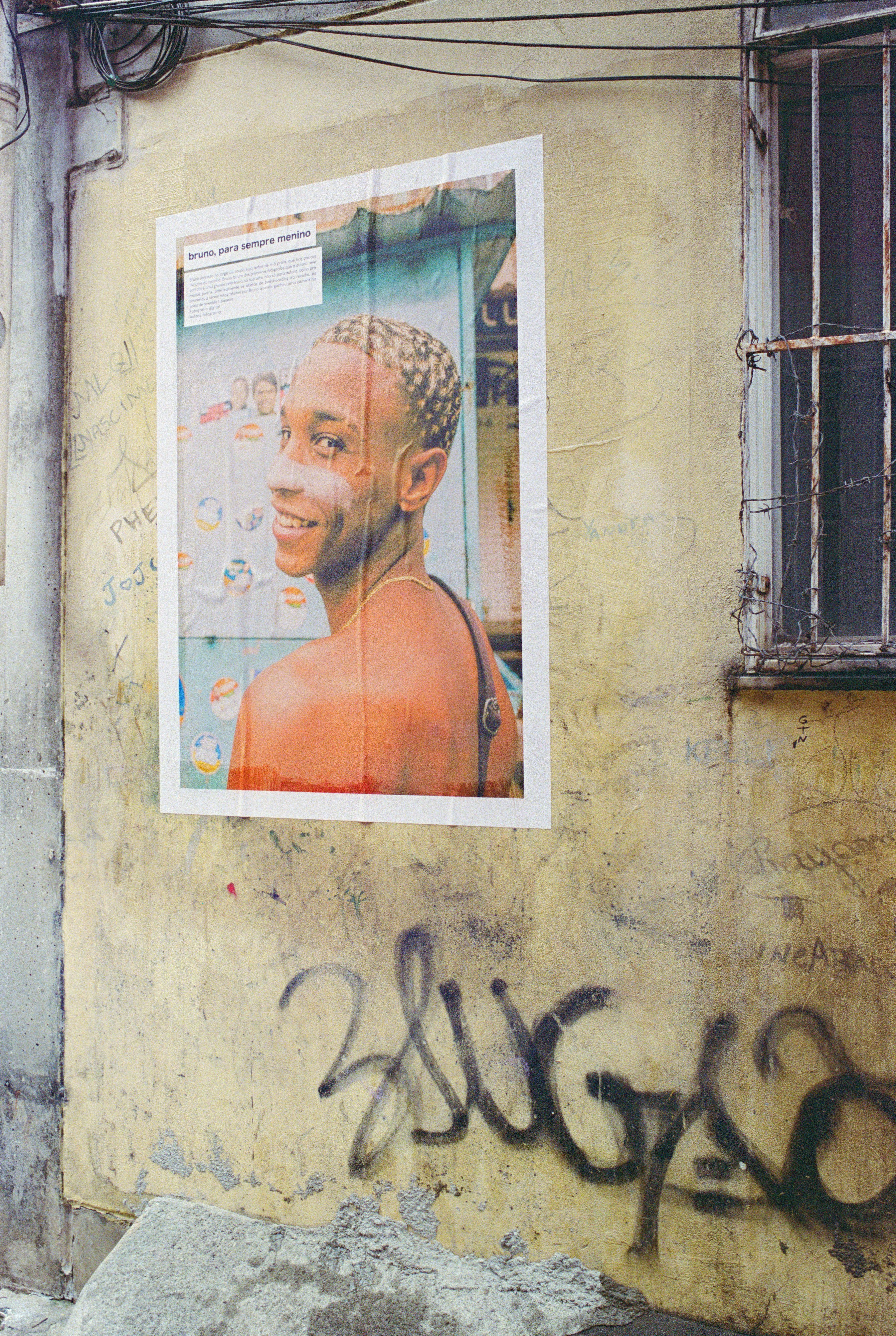
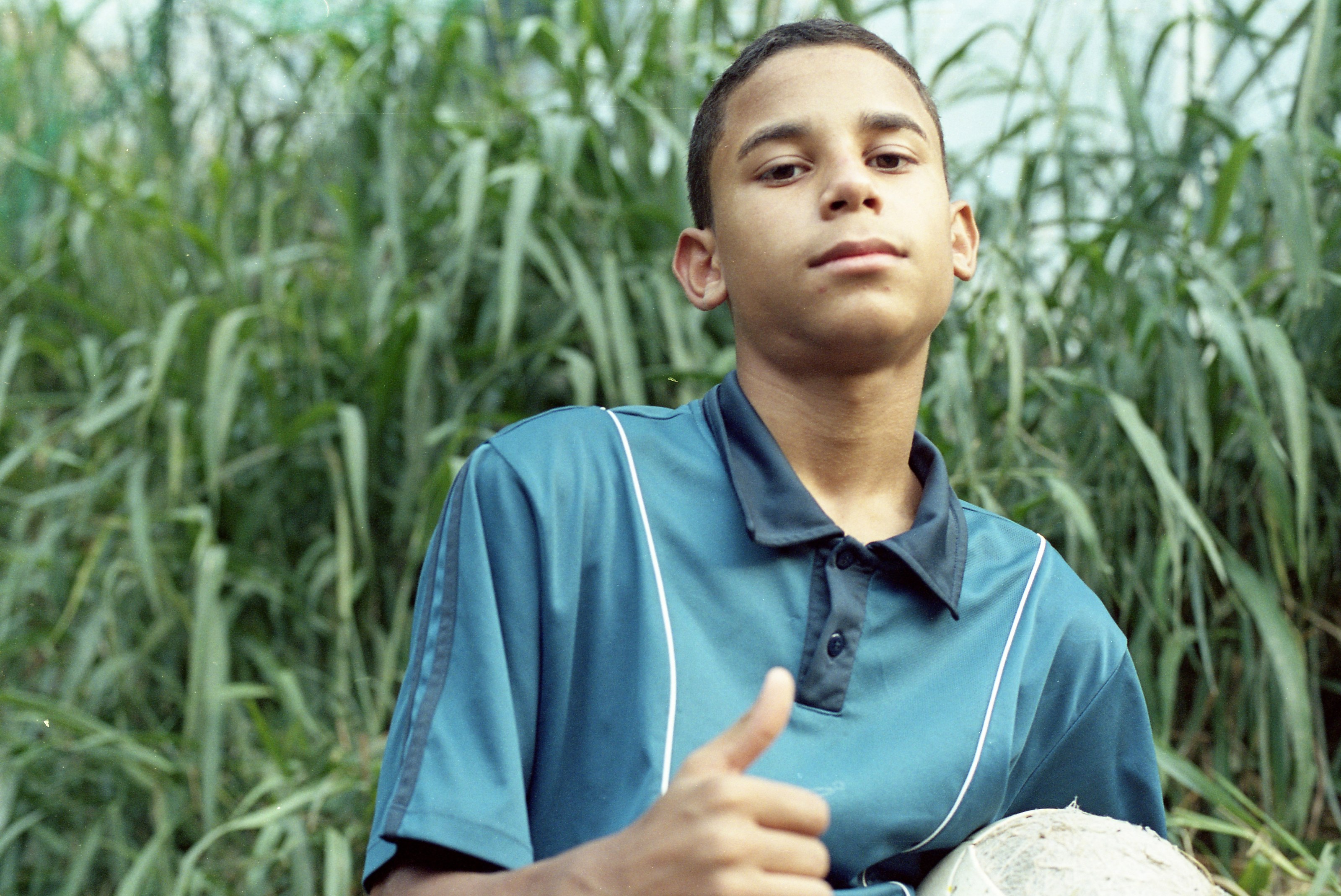
bruno, para sempre menino
Bruno, forever a boy
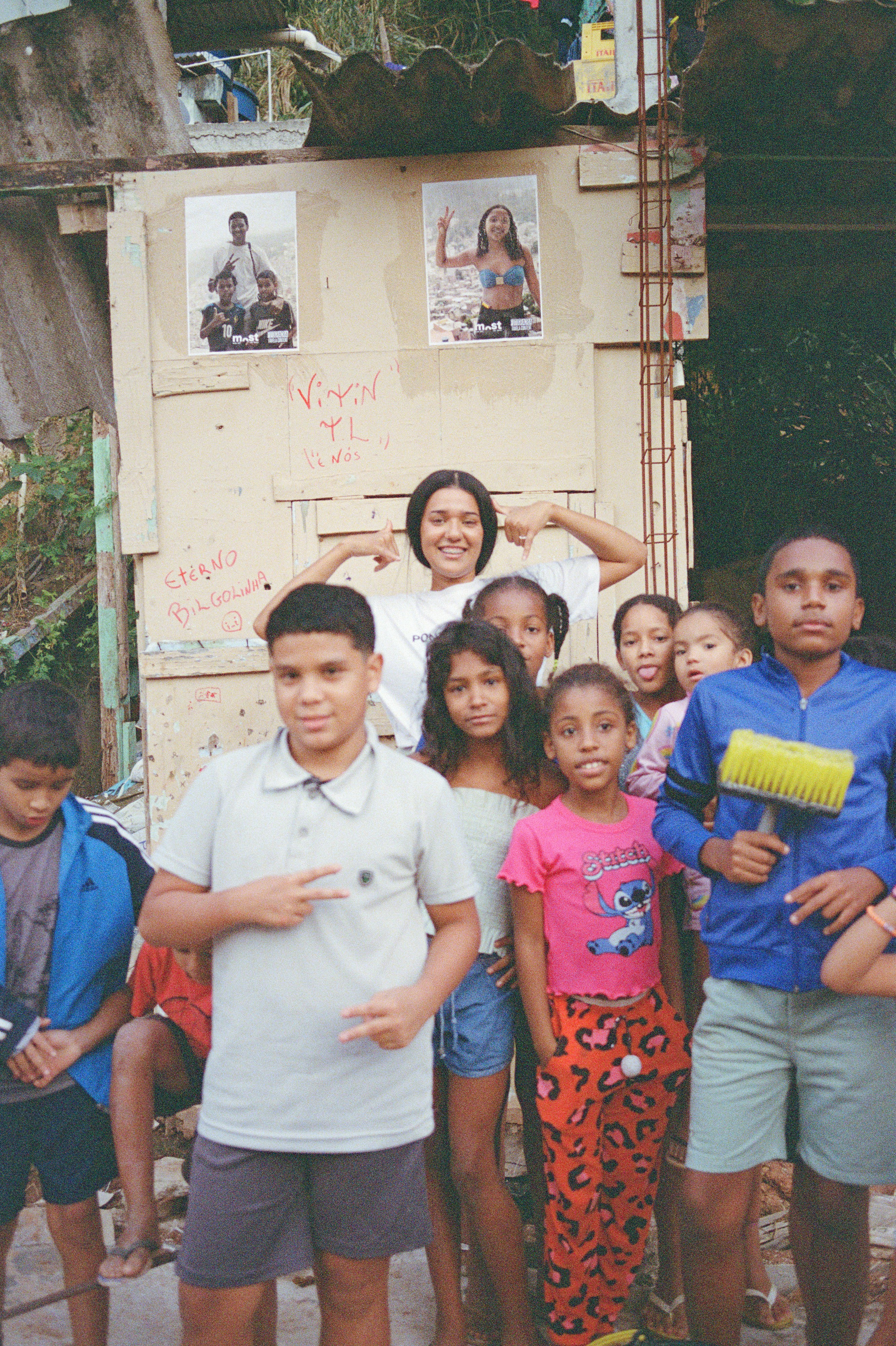
on a yellow wall, above the graffiti
 rocinha · rio de janeiro/22°59′ S · 43°15′ W/rio de janeiro, UTC−3
kurumins, o futuro da rocinha — kurumins, the future of Rocinha
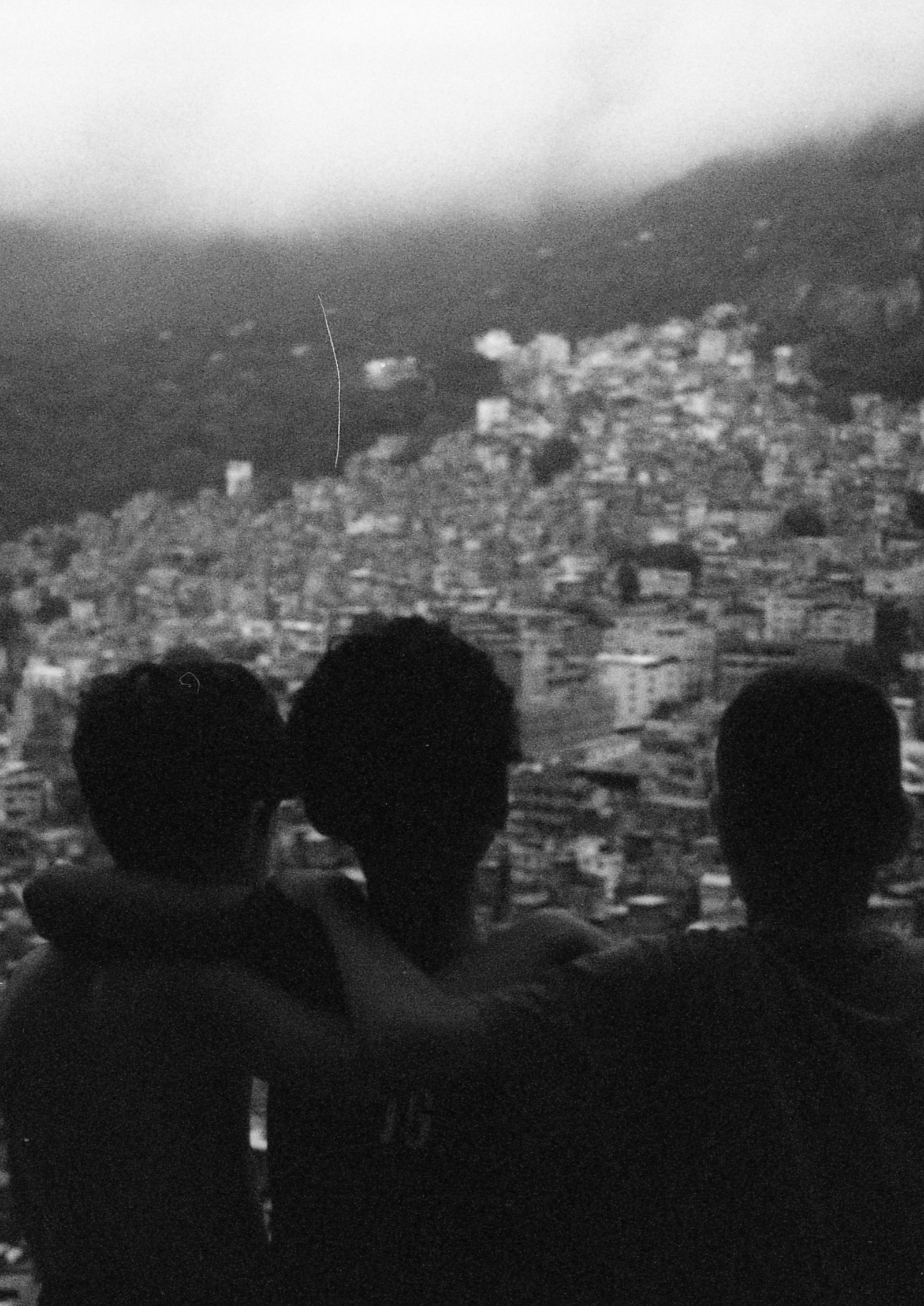
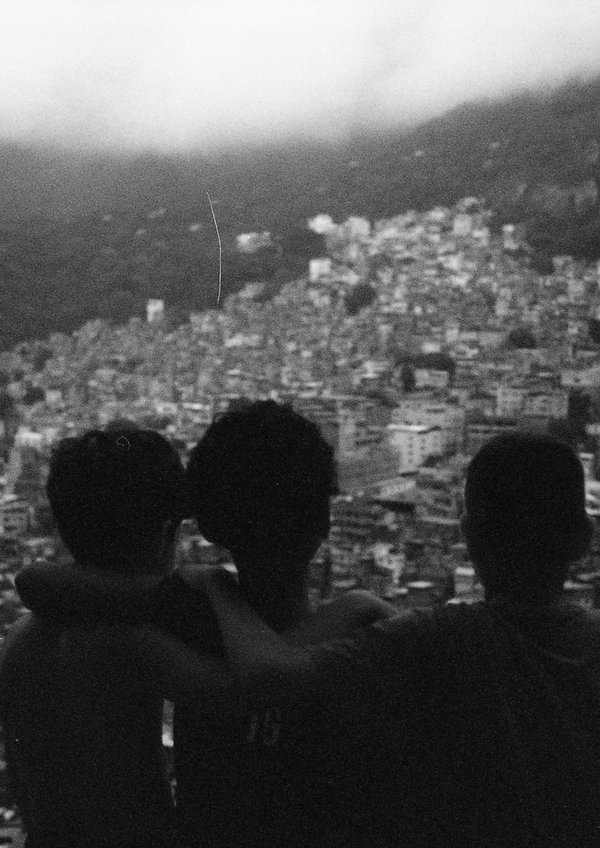
three children seen from behind looking out over the favela, in black and white
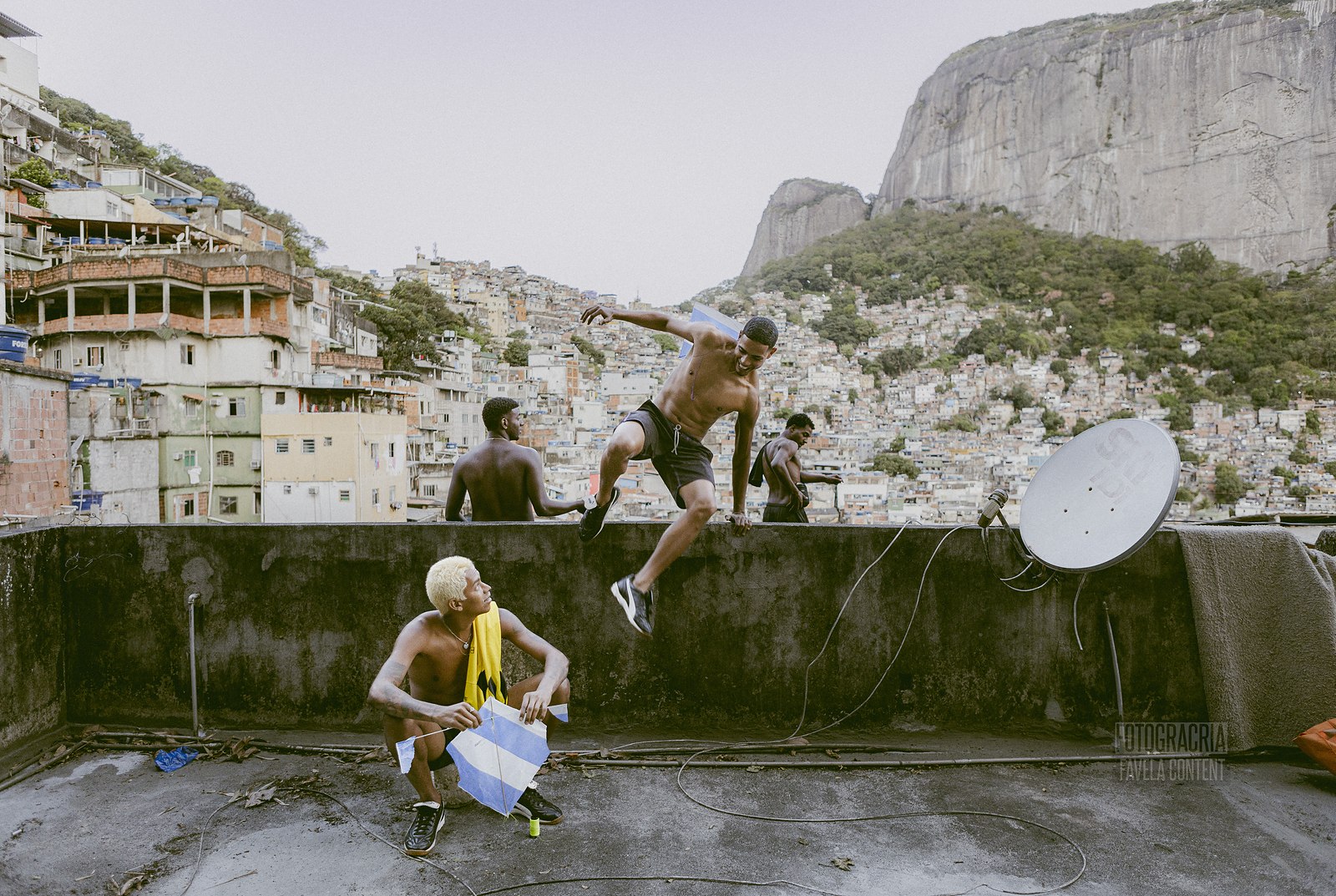
soltar pipa na laje — flying kites on the laje
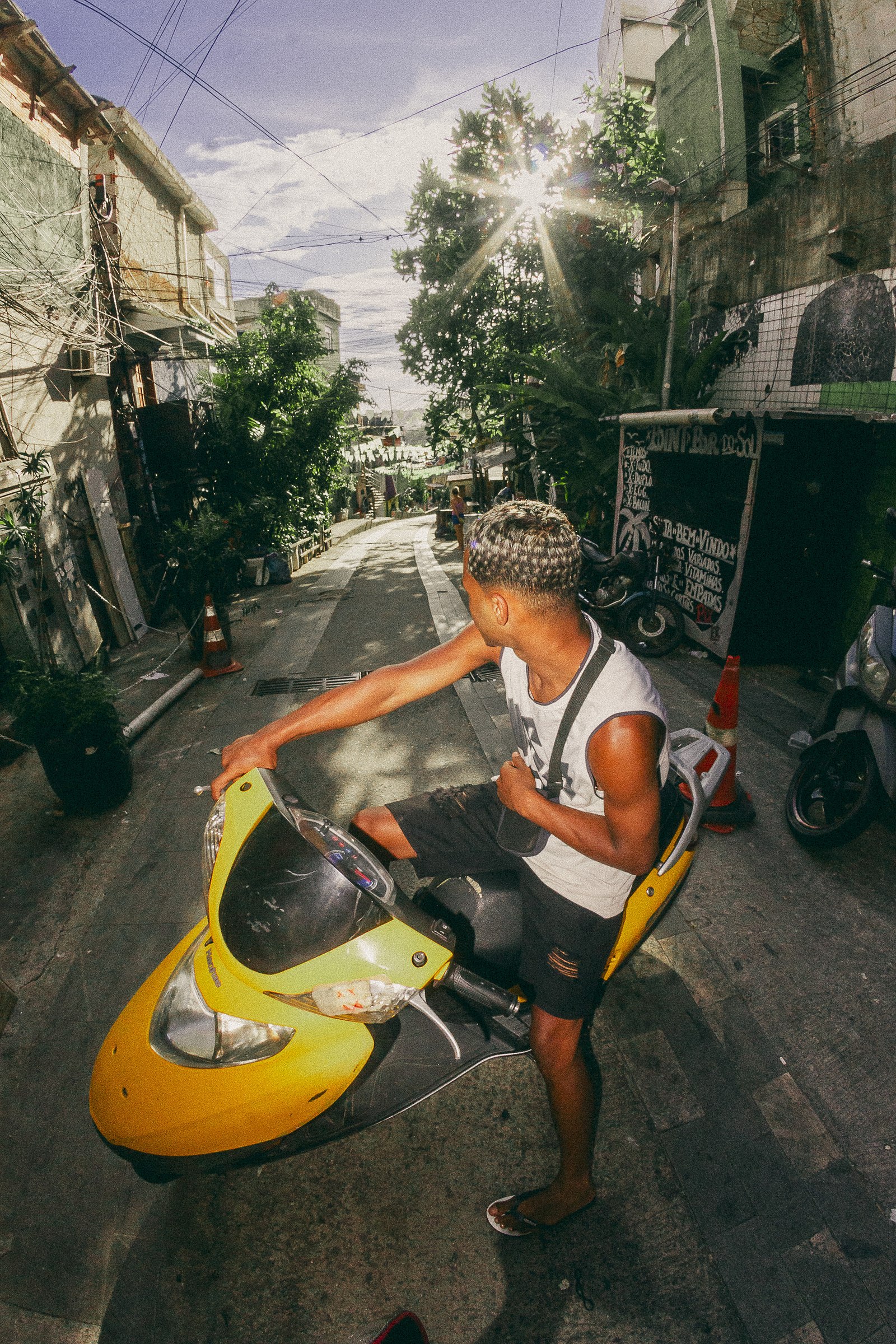
gustavinho e o lazer de ser cria da rua — Gustavinho and the joy of being a street cria
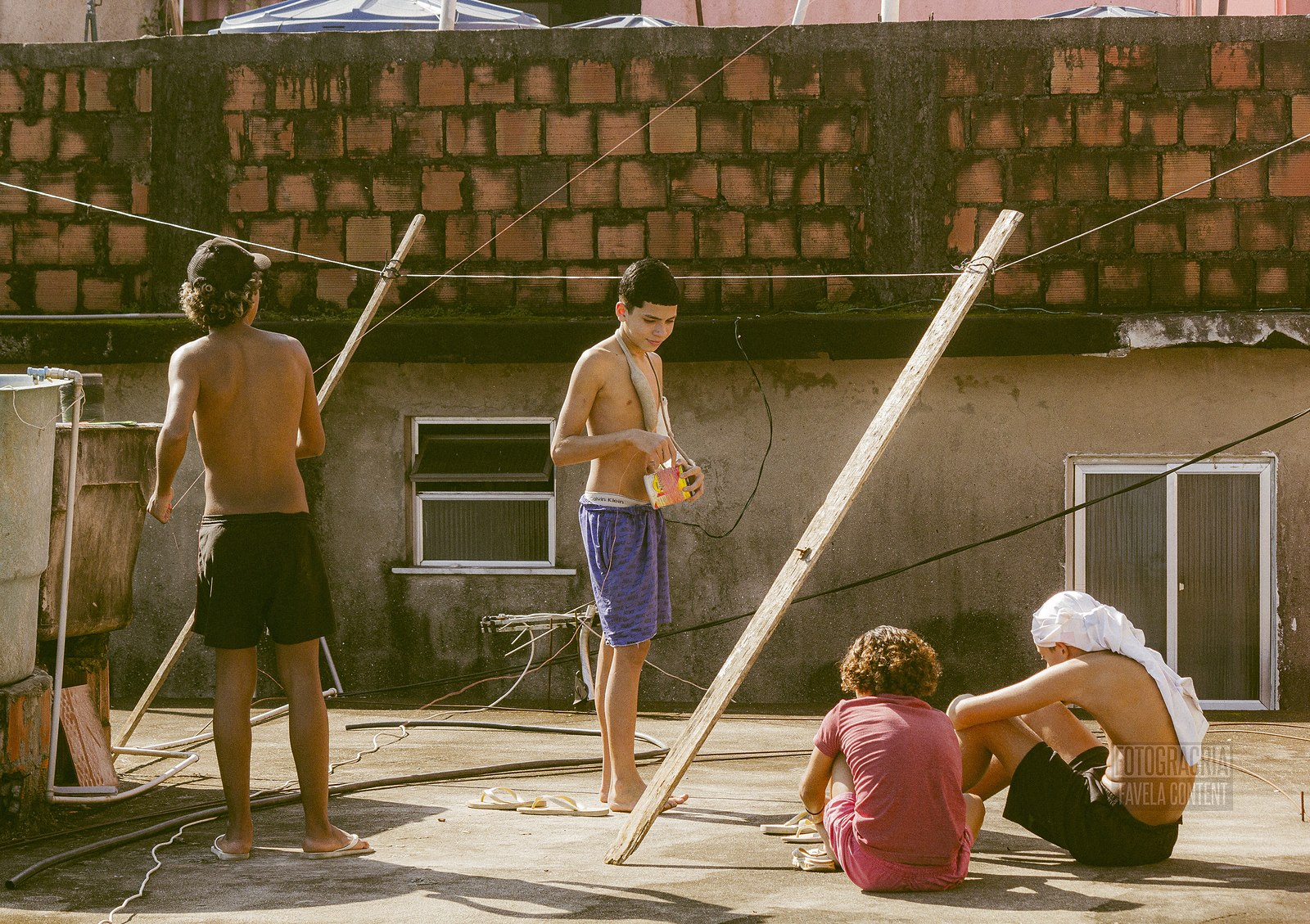
gaviões do morro – os meninos do laboriô — the hawks of the hill — the boys of Laboriô
originais são originários – abeguar — the originals are original — Abeguar
viver é um luxo · os crias da tl, 2025 — photo from the exhibition
“living is a luxury” · “the kids of the T.L.”
High up in Rocinha, the children of the T.L. and the photographer Fotogracria put together a collective portrait of their hill — then paste it on its walls.
High up in Rocinha, in Macega, there is a quadra — a concrete sports court — that everyone calls the T.L.: Terra da Lama, the land of mud. It is a place of intense community life, and a centre of creativity for the local children and teenagers. This is where the exhibition “os crias da T.L.” was born, from the Pontos de Vista project led by mOst and Fotogracria.
Holding the workshops and opening the exhibition in Macega first was both a political and a poetic statement. Rather than taking the community to the museum, the aim was to show that the favela is, in itself, a living museum — a cultural centre where memory, creation and the right to culture must be fully recognised.
The exhibition then spread across the whole favela, from the T.L. and the alleys of Rua 1 down to Boiadeiro and Estrada da Gávea, where every cria passes each day, coming and going in search of their dignity.
queremos que a arte aconteça onde as histórias nascem.We want art to happen where the stories begin.
— fotogracria × mOst
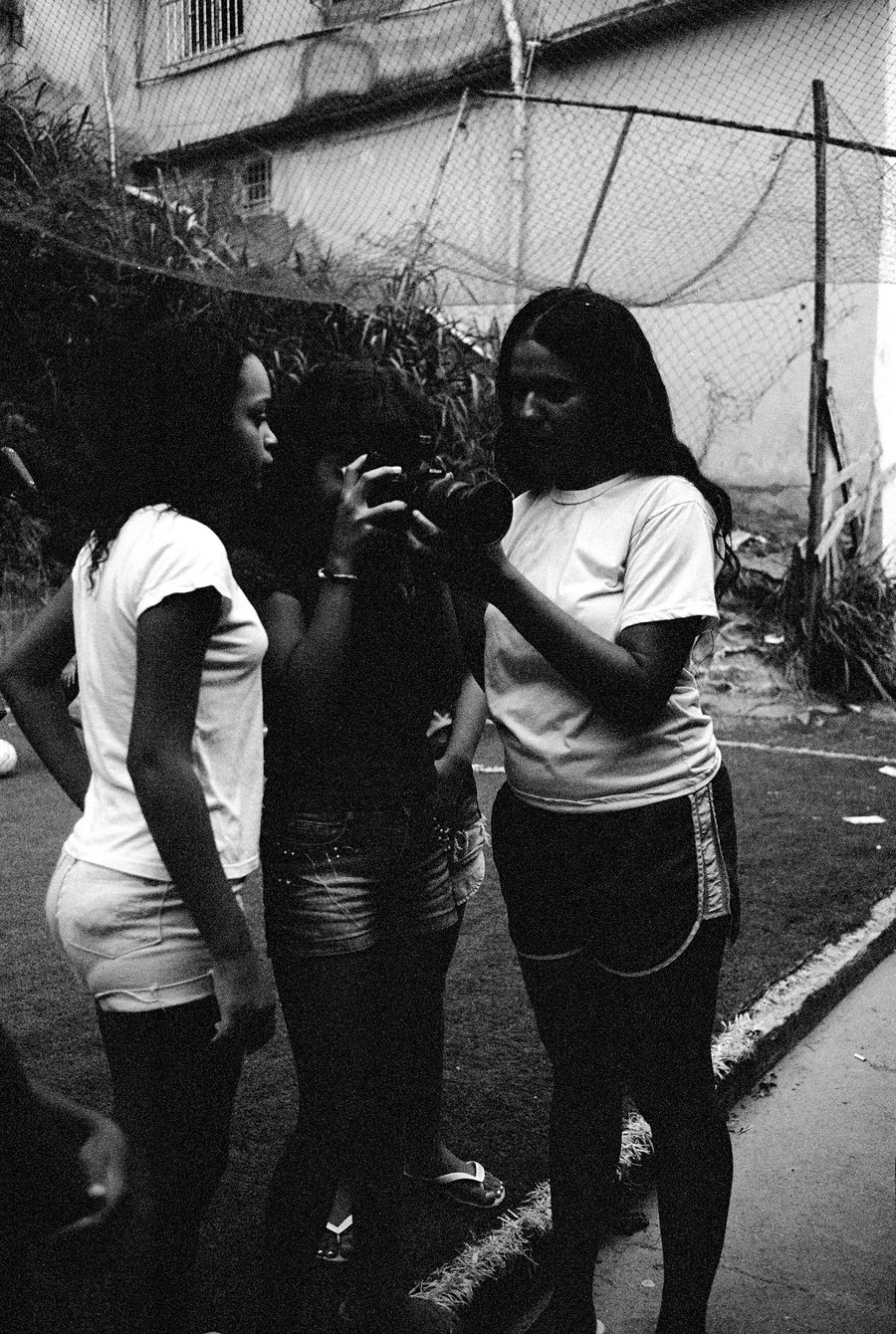
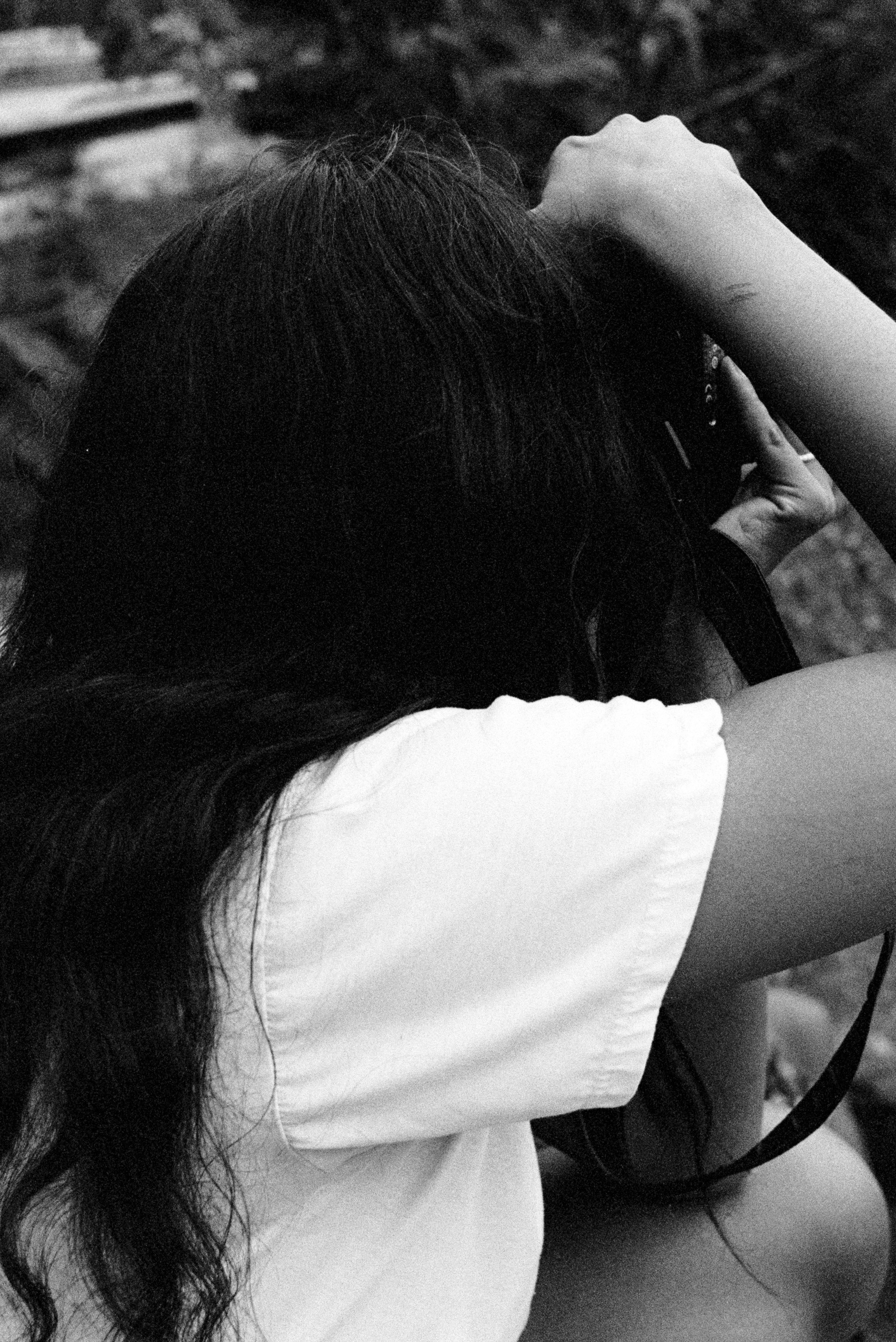
The workshops combined photography and art direction: framing, posing, staging, choosing. Along the way, the children and teenagers of the T.L. did not just learn techniques: they named their own works and thought about the stories they wanted to tell.
The exhibition brings together their images and Fotogracria’s, shown side by side without distinction: a collective portrait, signed with identity, awareness and belonging. Each photograph has a title, often an expression from the hill, and a caption written in the language of the neighbourhood.
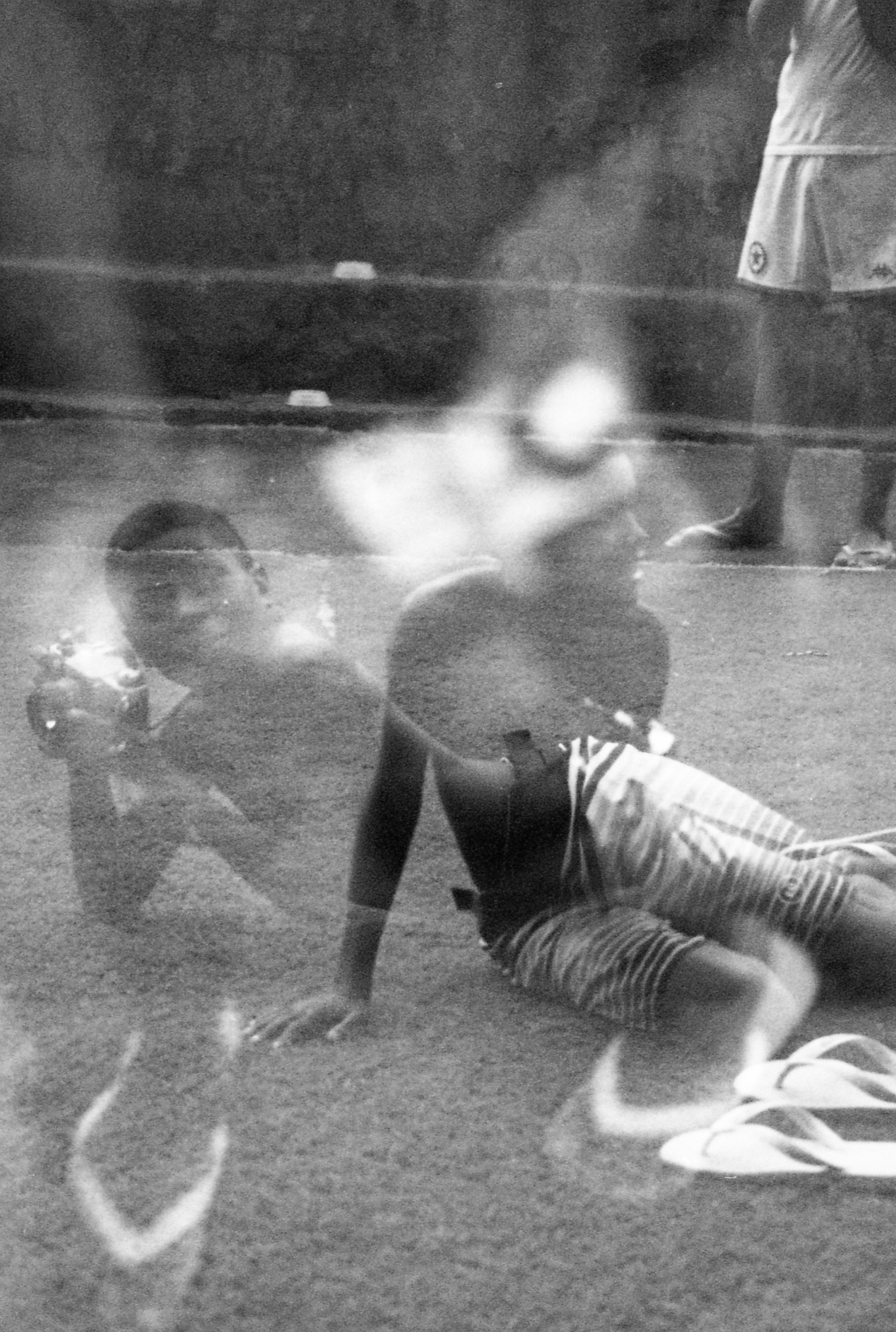
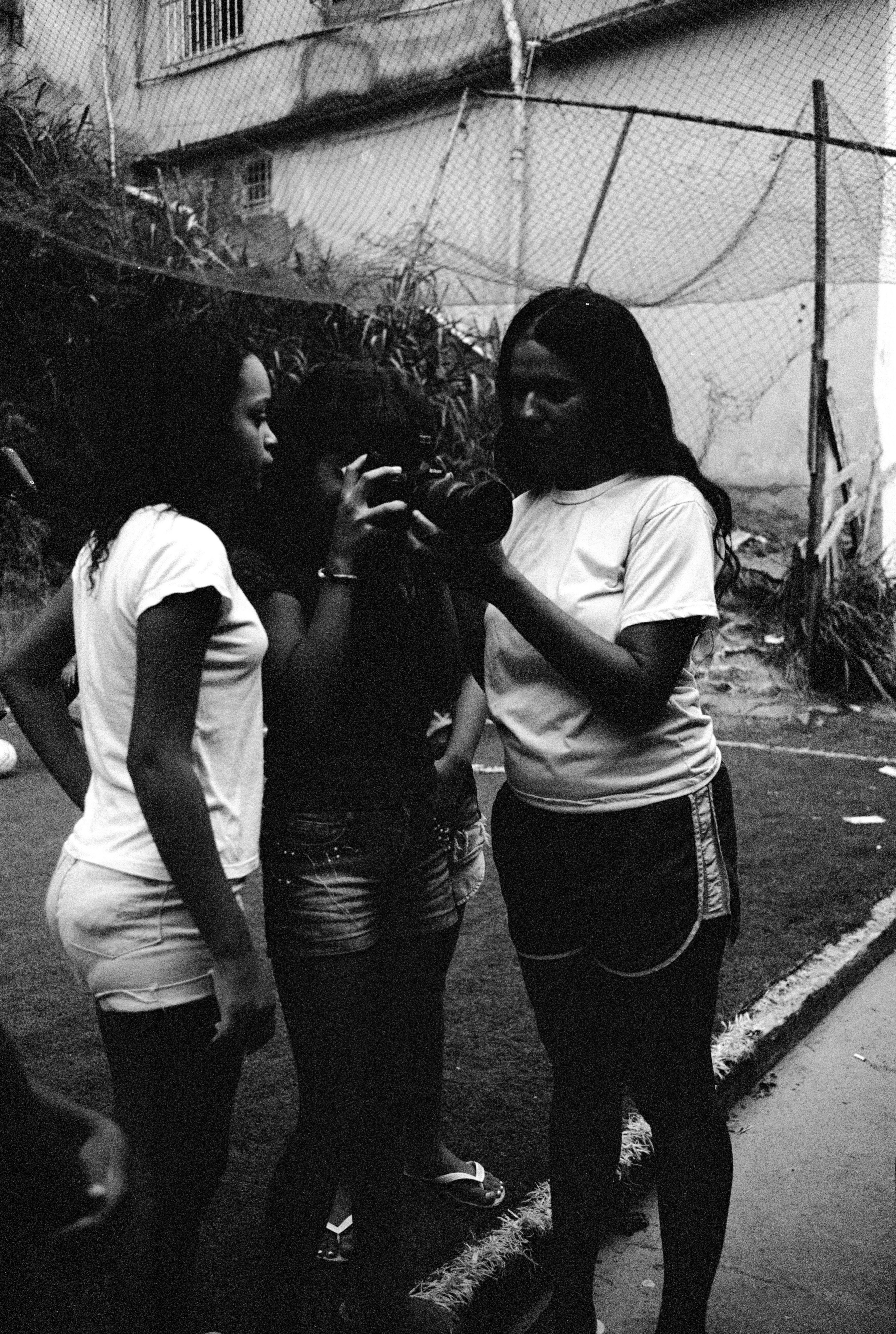
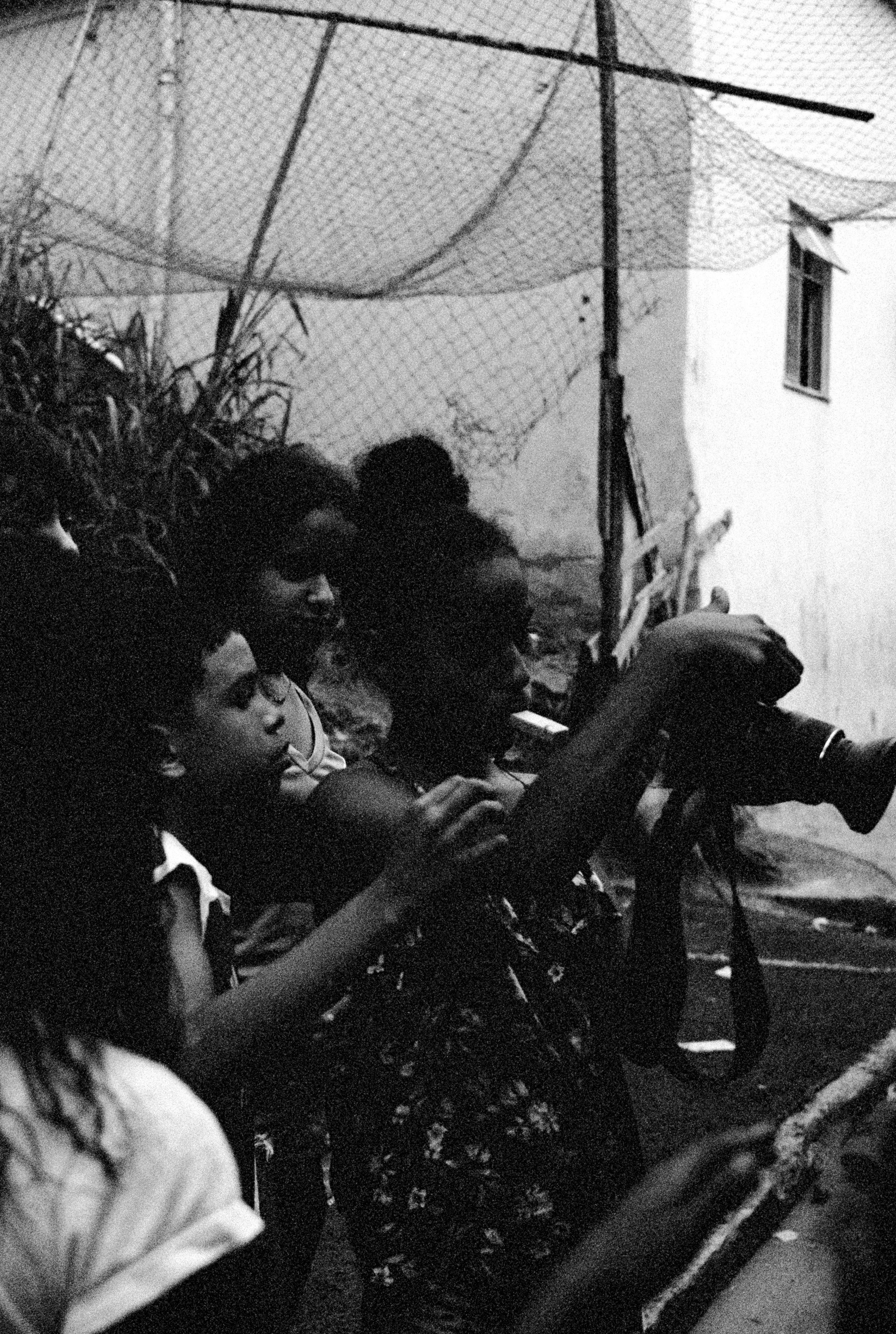
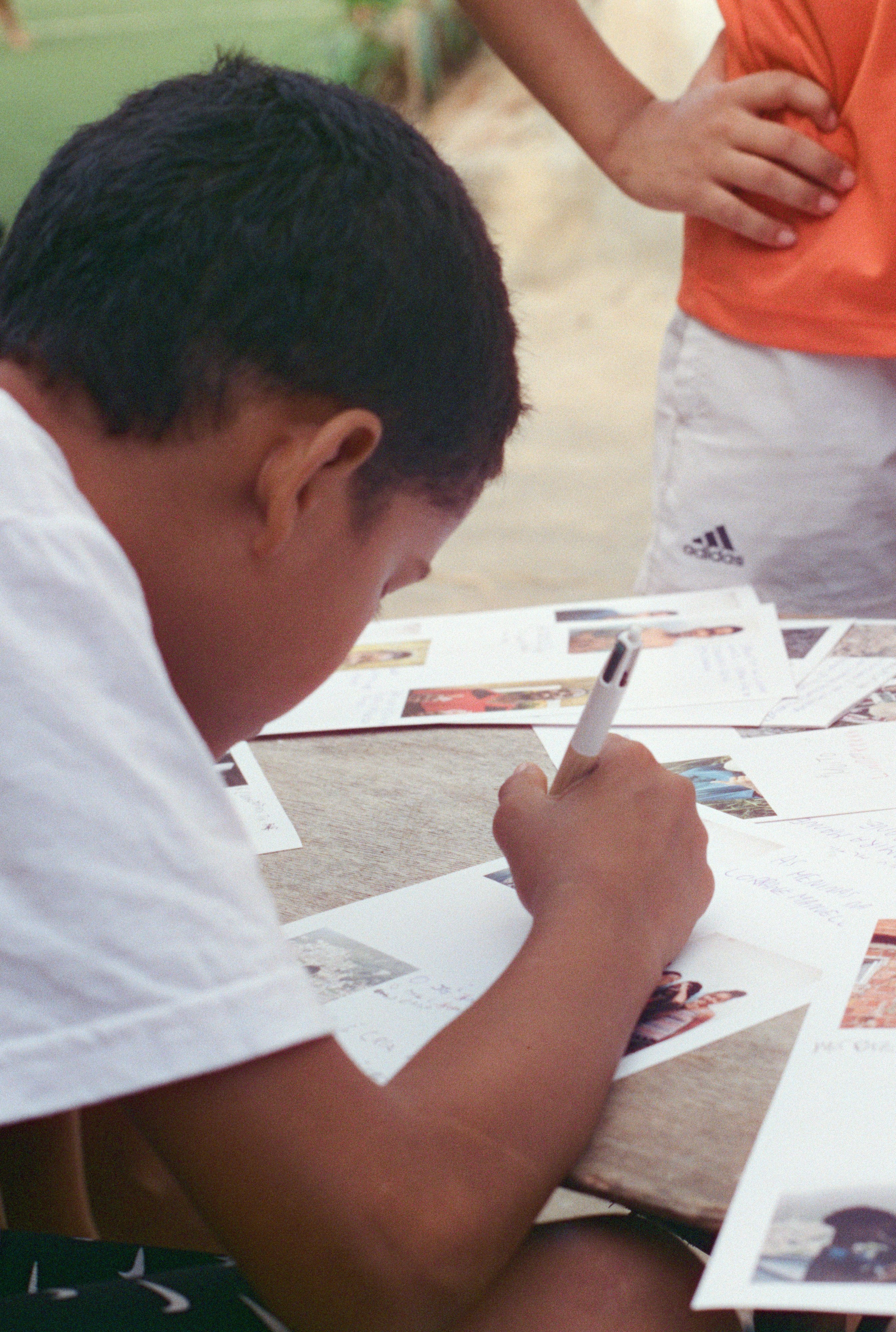
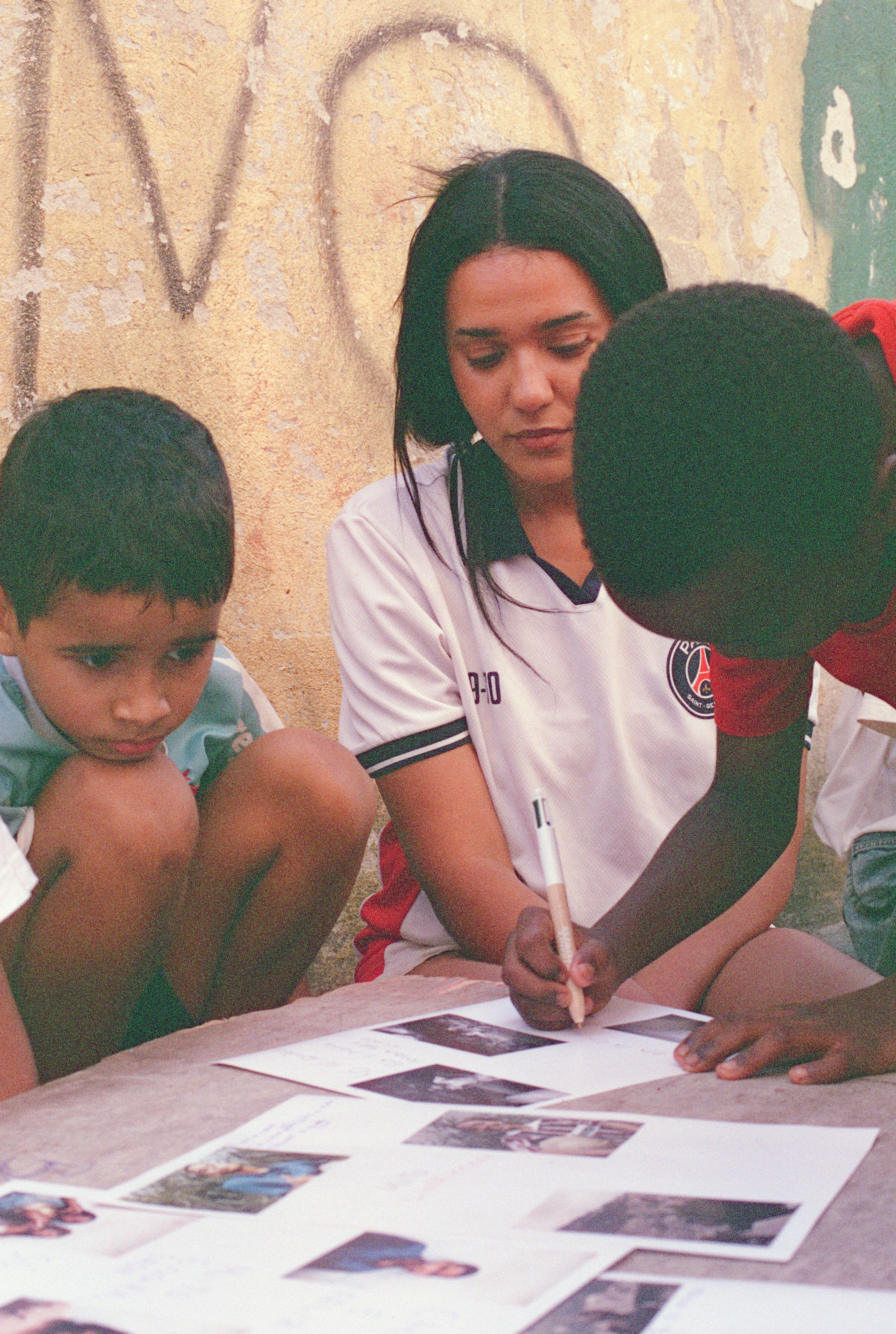
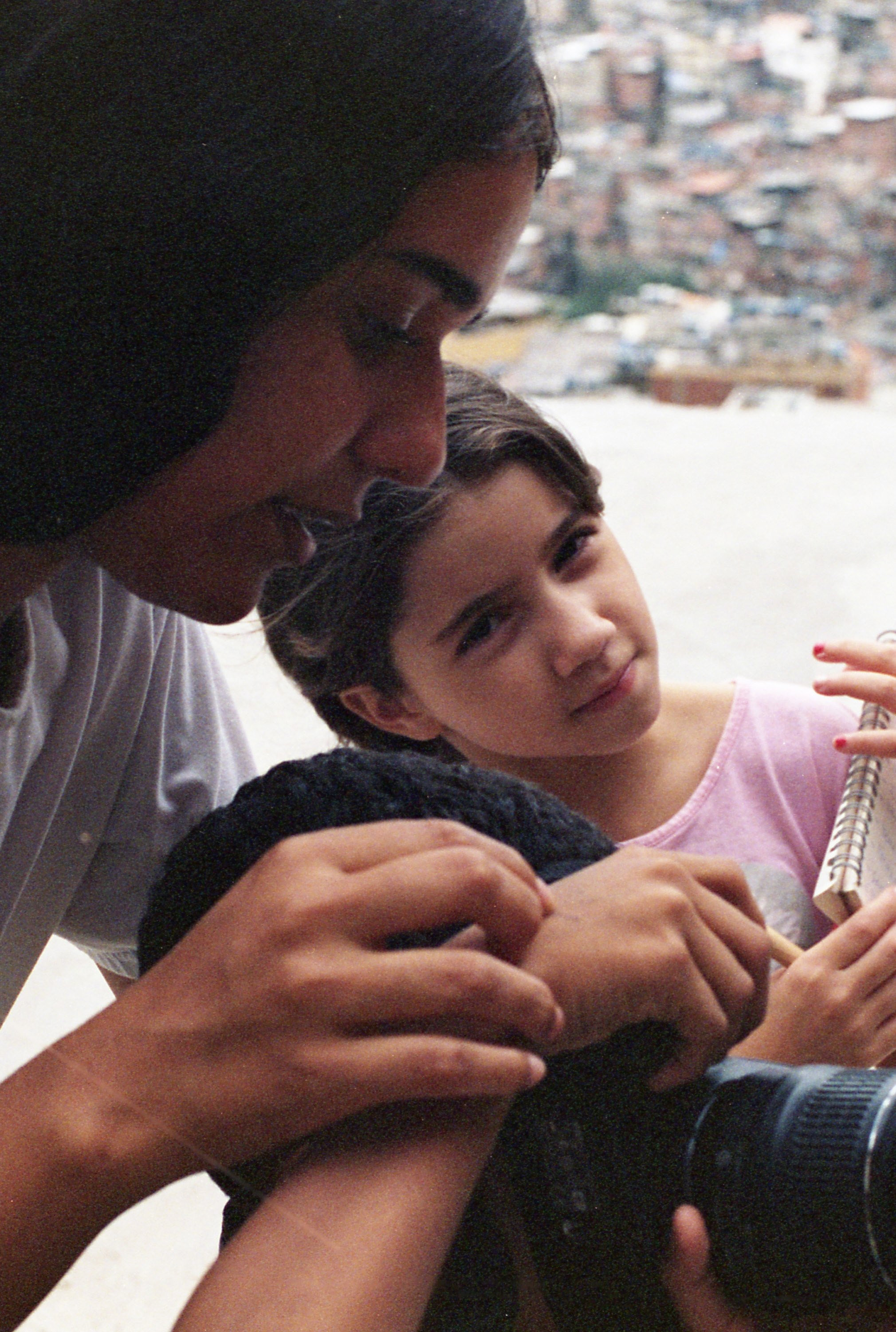
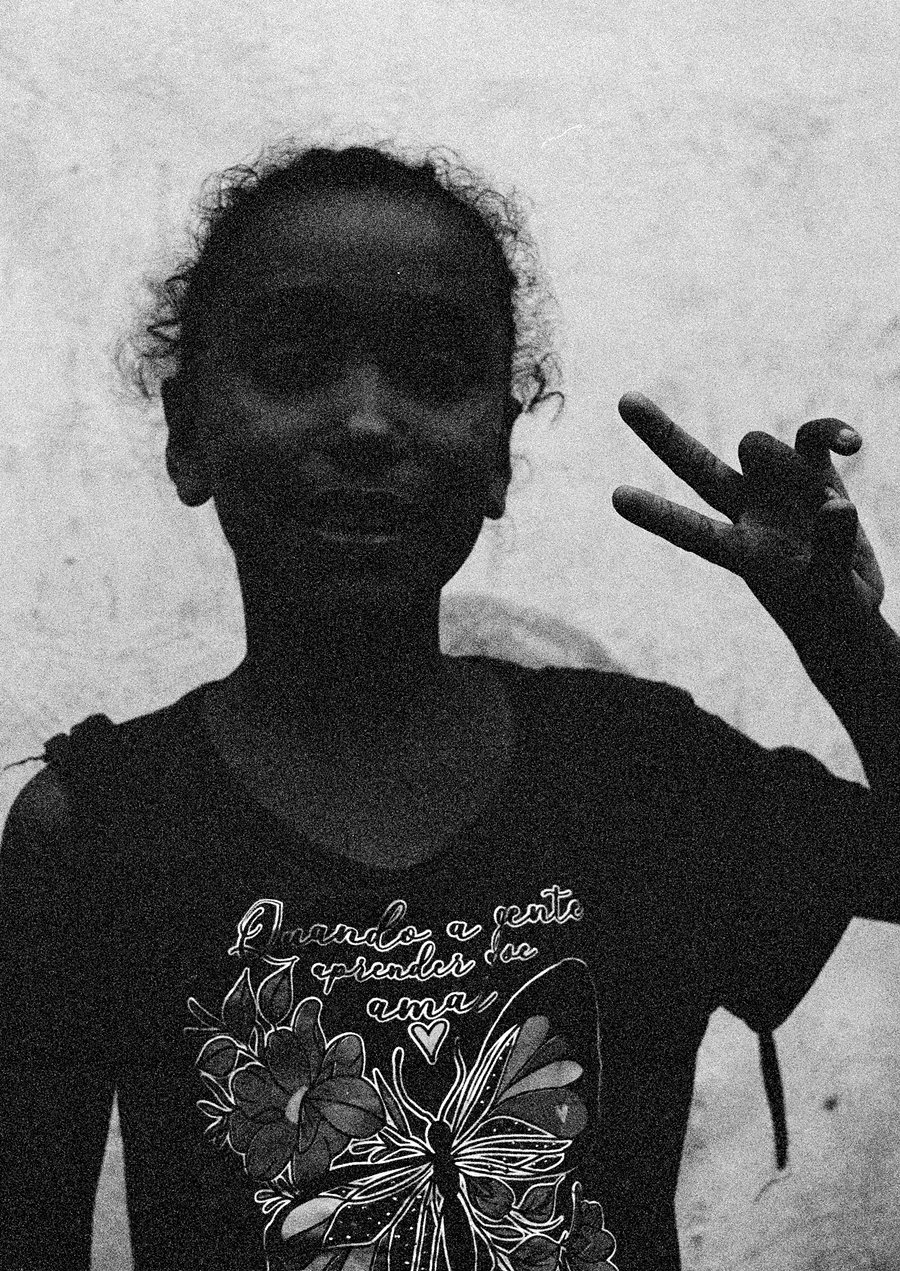
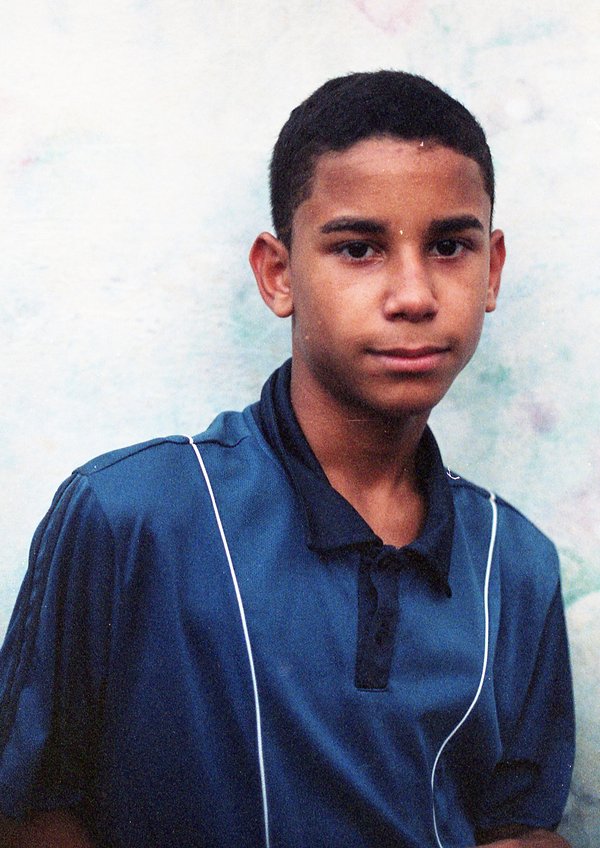
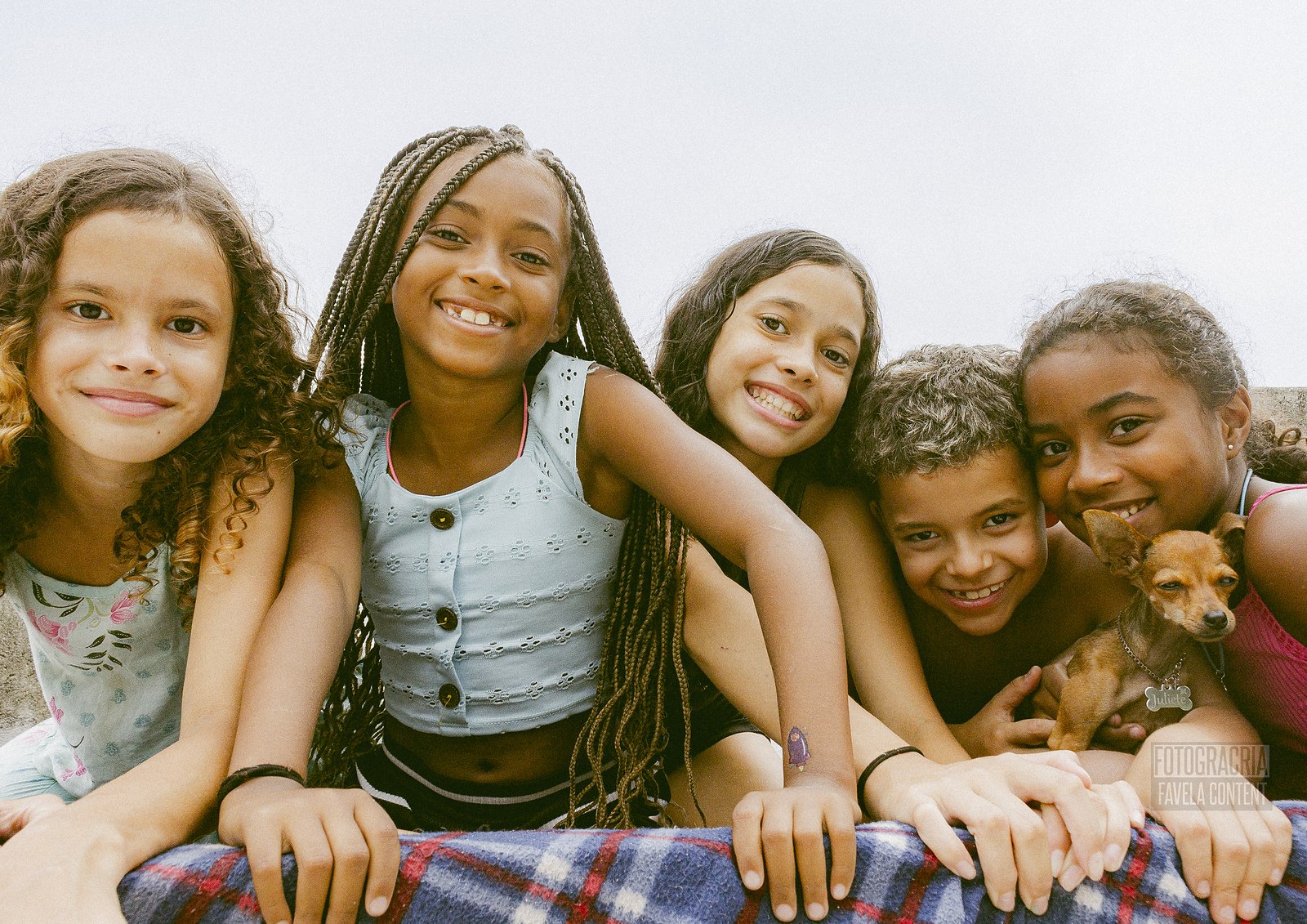
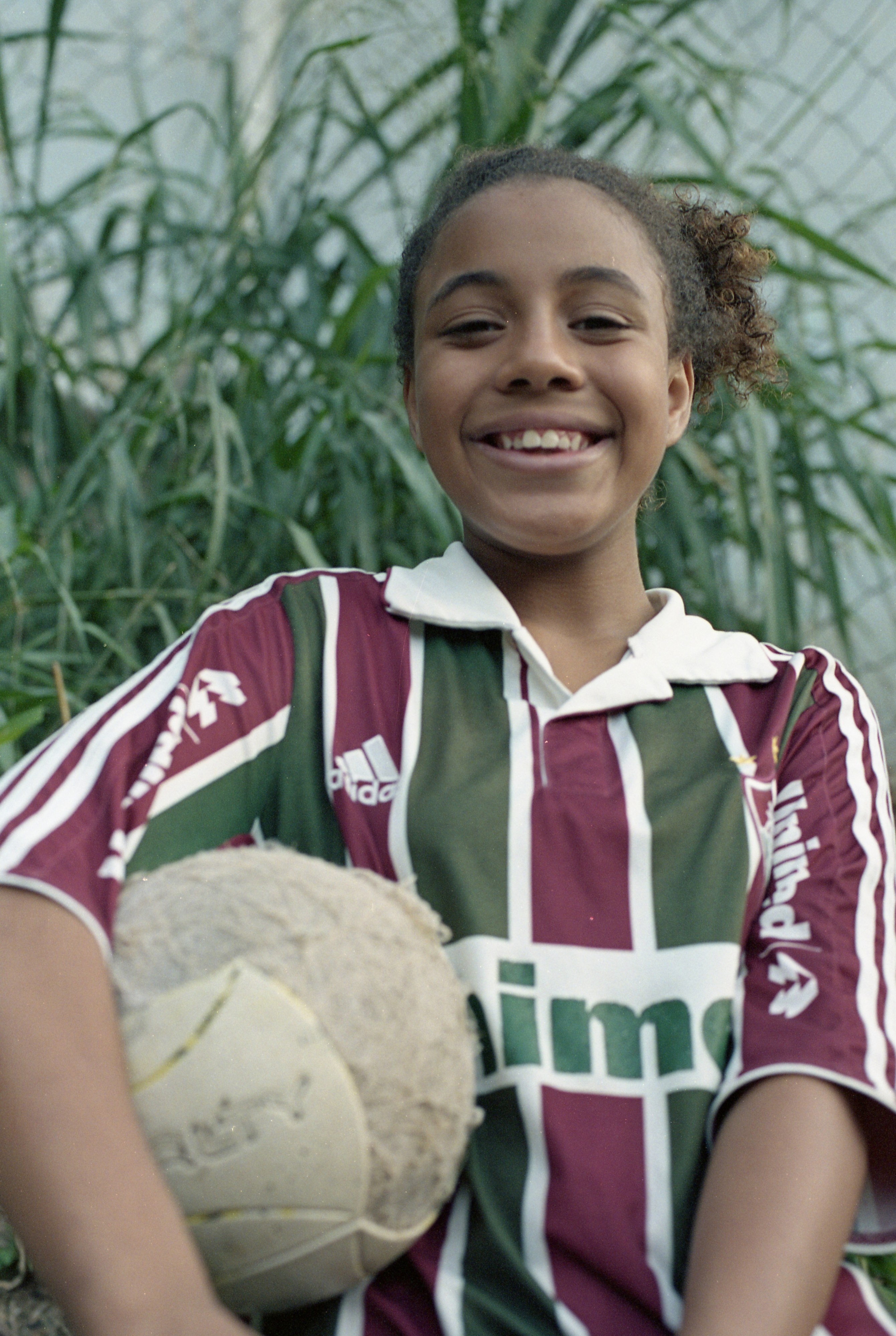
Portraits of the children of the T.L. and Rua 4: kids who pose, play, dream of skateboarding and football, and say who they are.
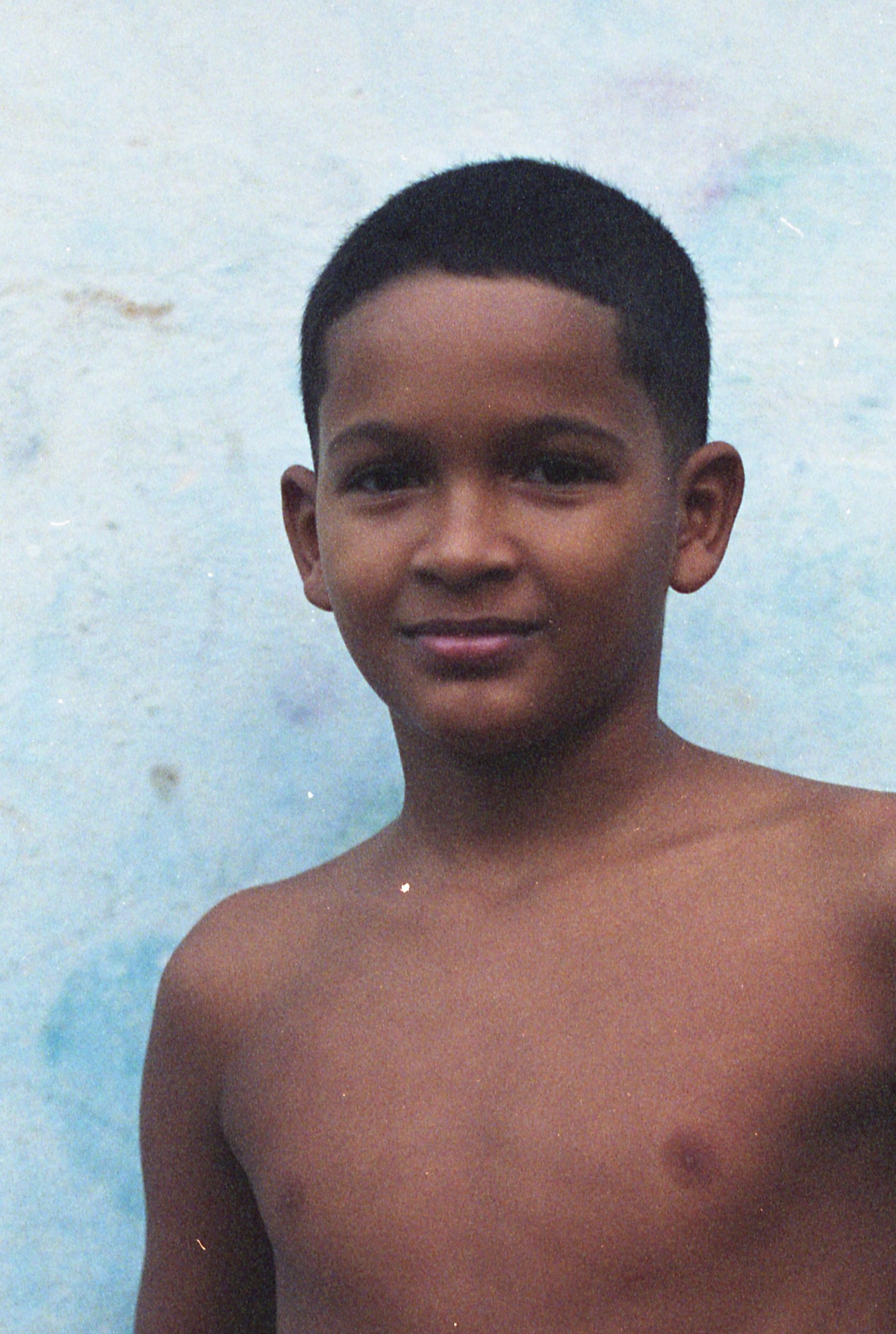
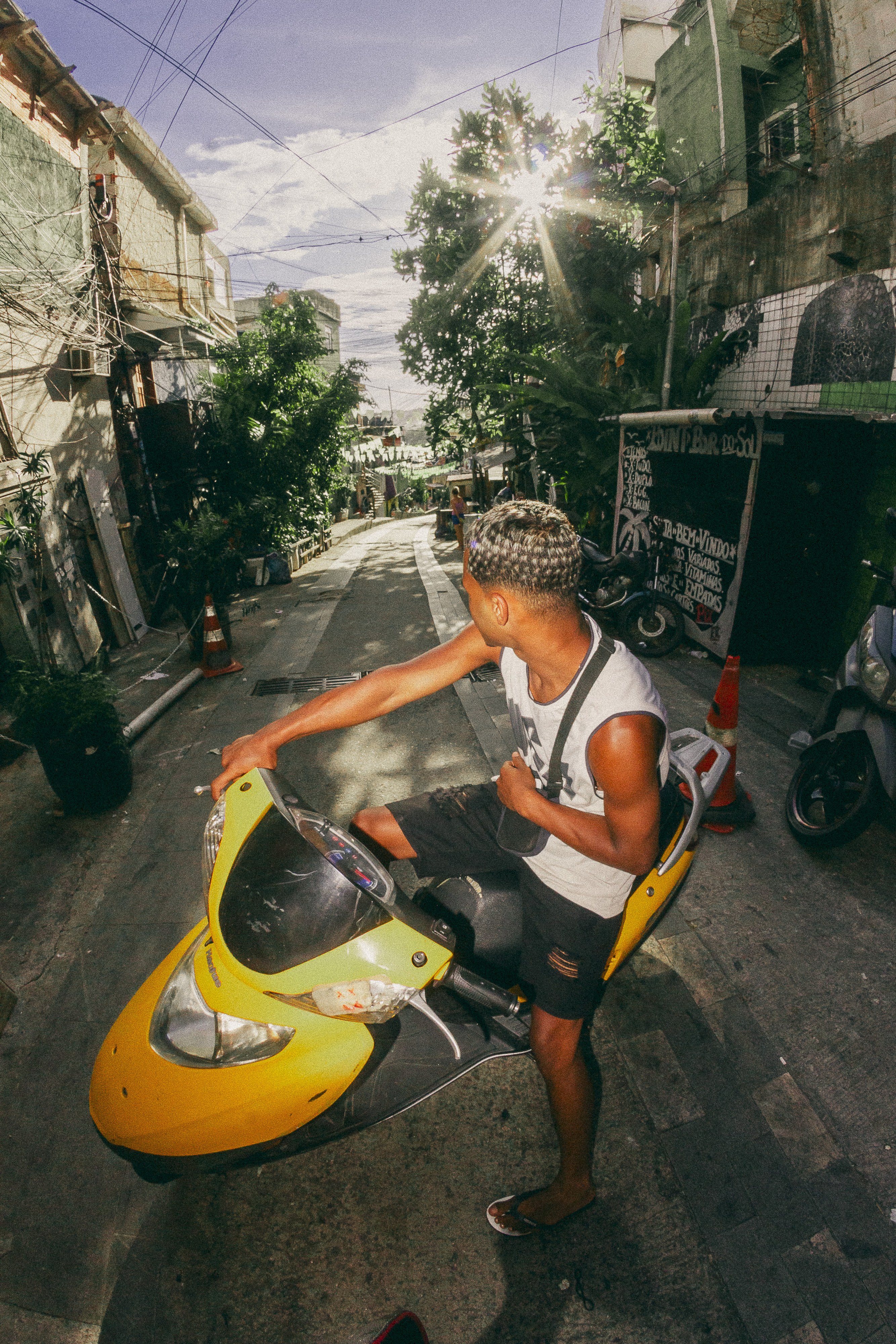
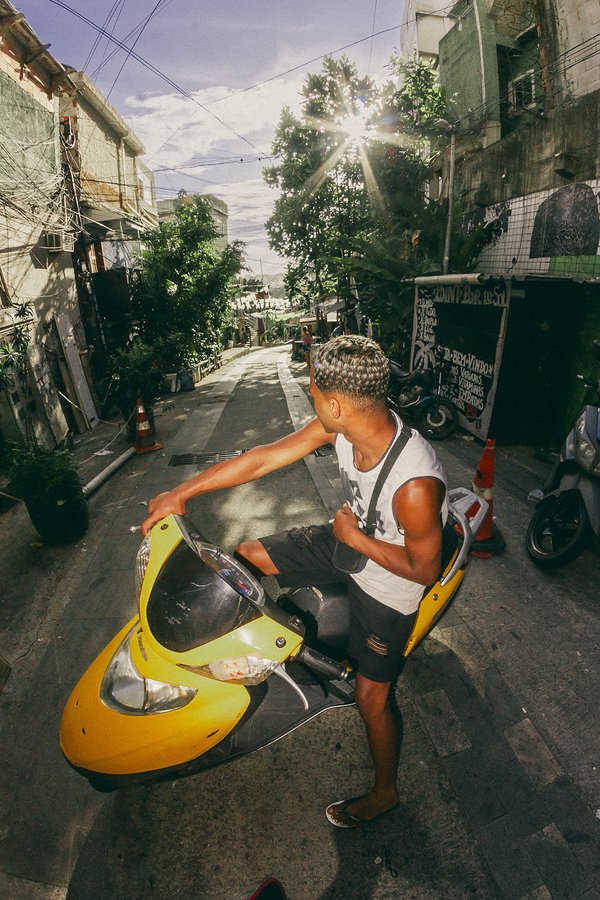
Gustavo rides his motorbike on the slopes of the new Rua 4 — once narrow alleys, where he grew up with the author of the photos.
I live right, and I refuse to go wrong.
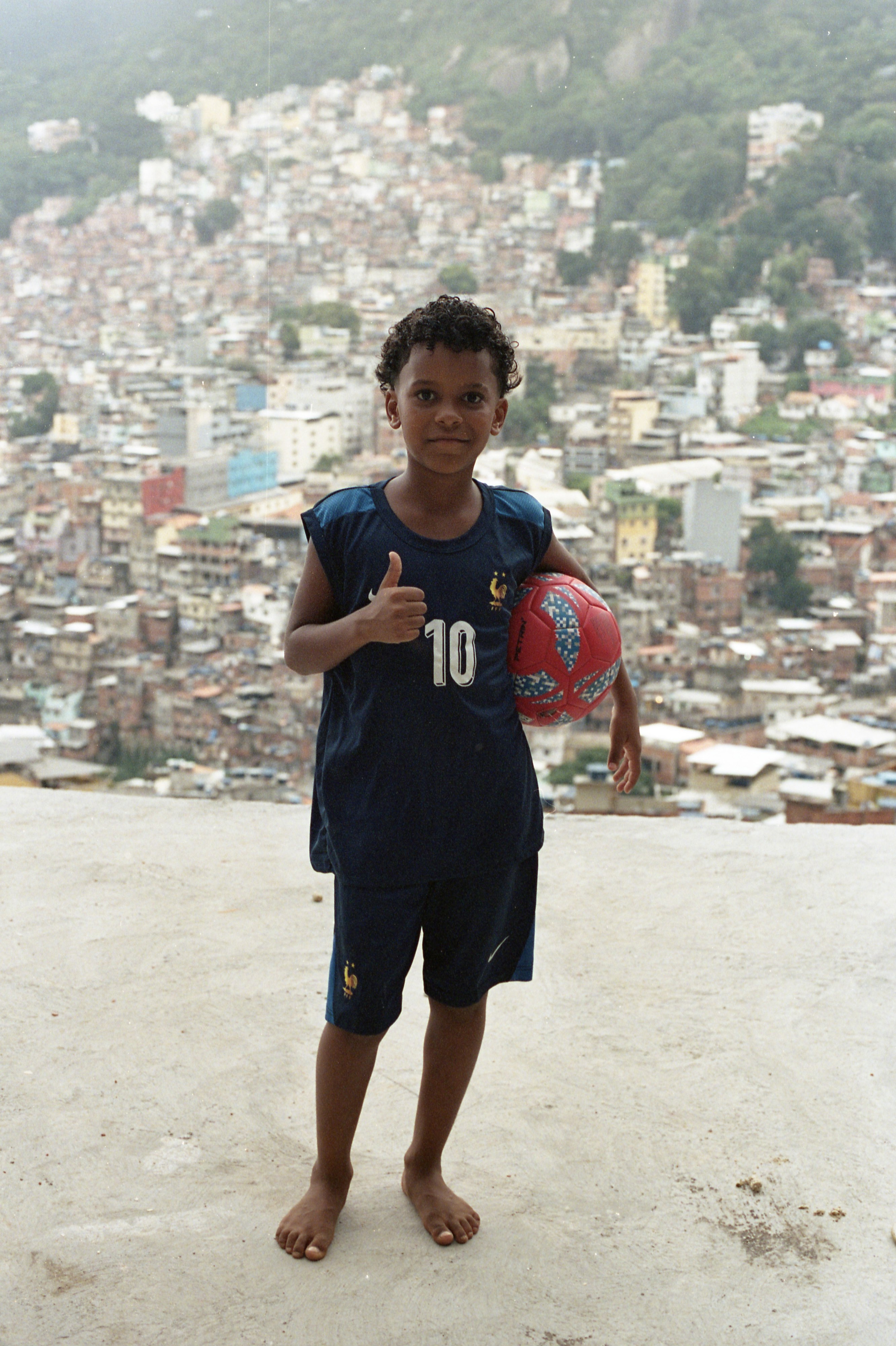
JG is a player. Biel is a player. We’re crias of Rocinha. RLK, we’re taking it. Two kids with fire in them.
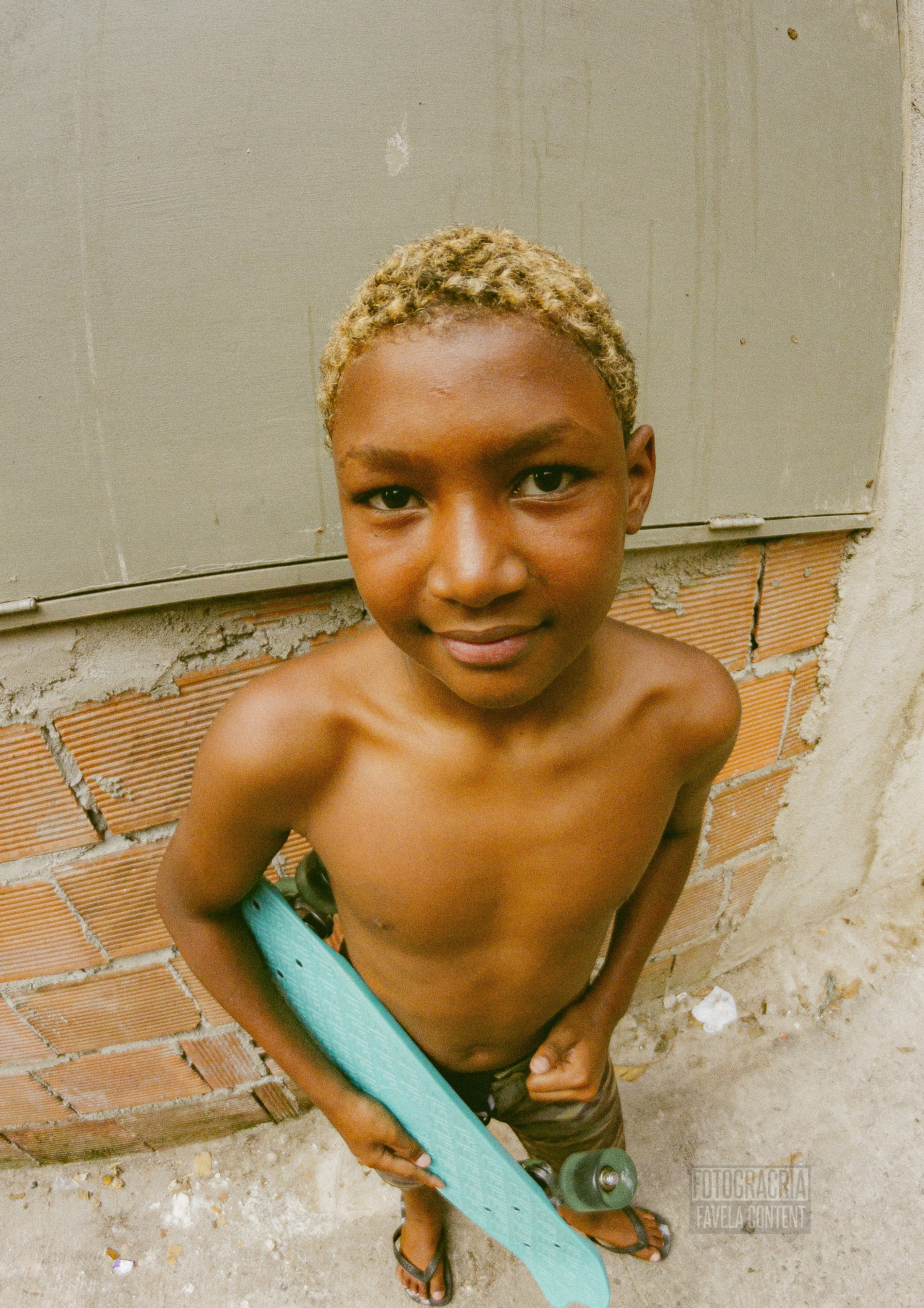
Allan is a Rocinha cria — very bright and determined; his dream is to become a great skateboarder. That day he was trying to ride down a very steep slope on Rua 4 and, after many attempts, he made it.
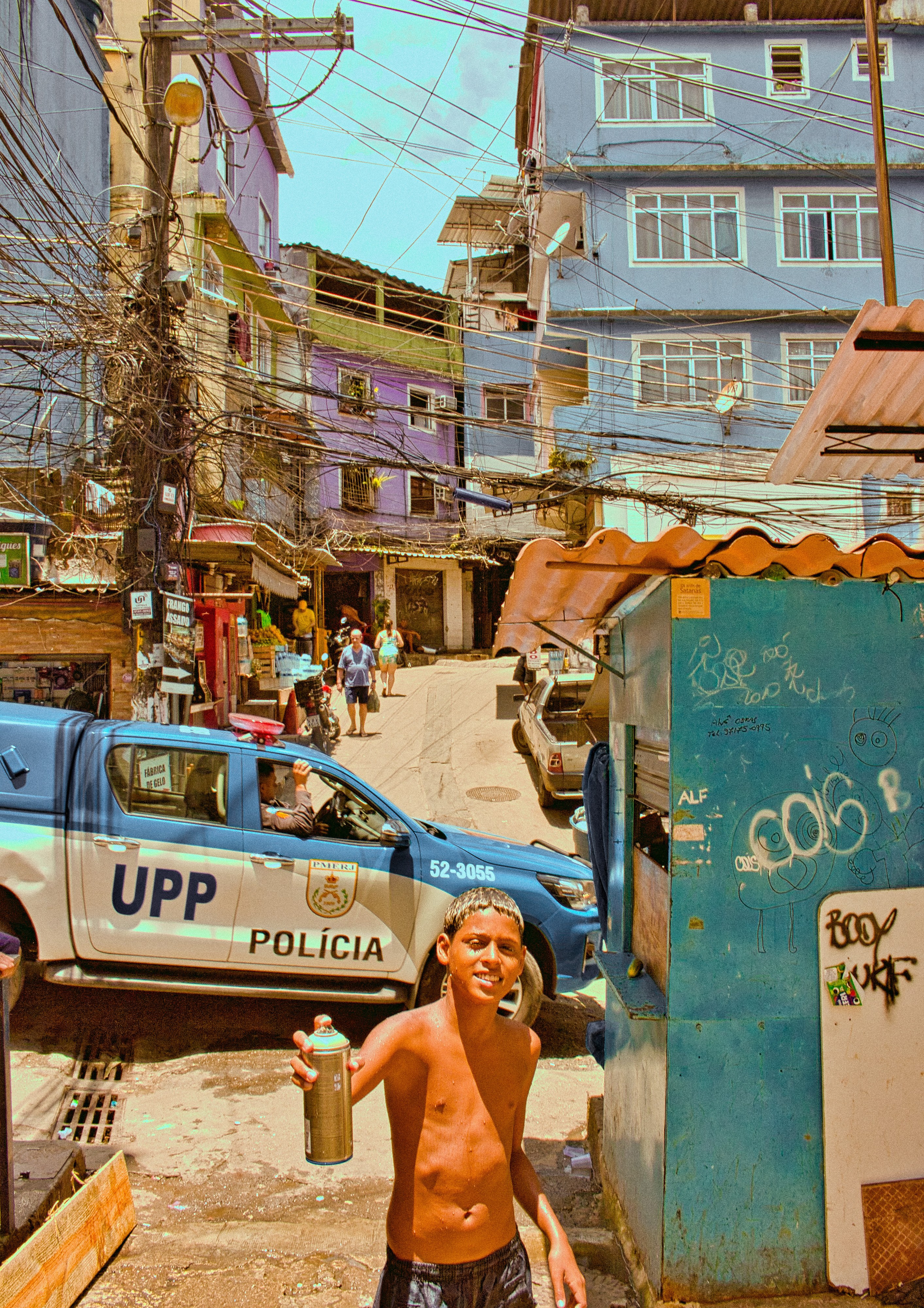
Breno, son of Vanessa Fernandes, is a Rua 4 cria — very bright, cheerful and known to everyone. During a painting session in Cidade Nova on Christmas Day 2020, he crosses the street happily, a spray can in his hand, without noticing a UPP car — the so-called “pacifying” police — driving past behind him.
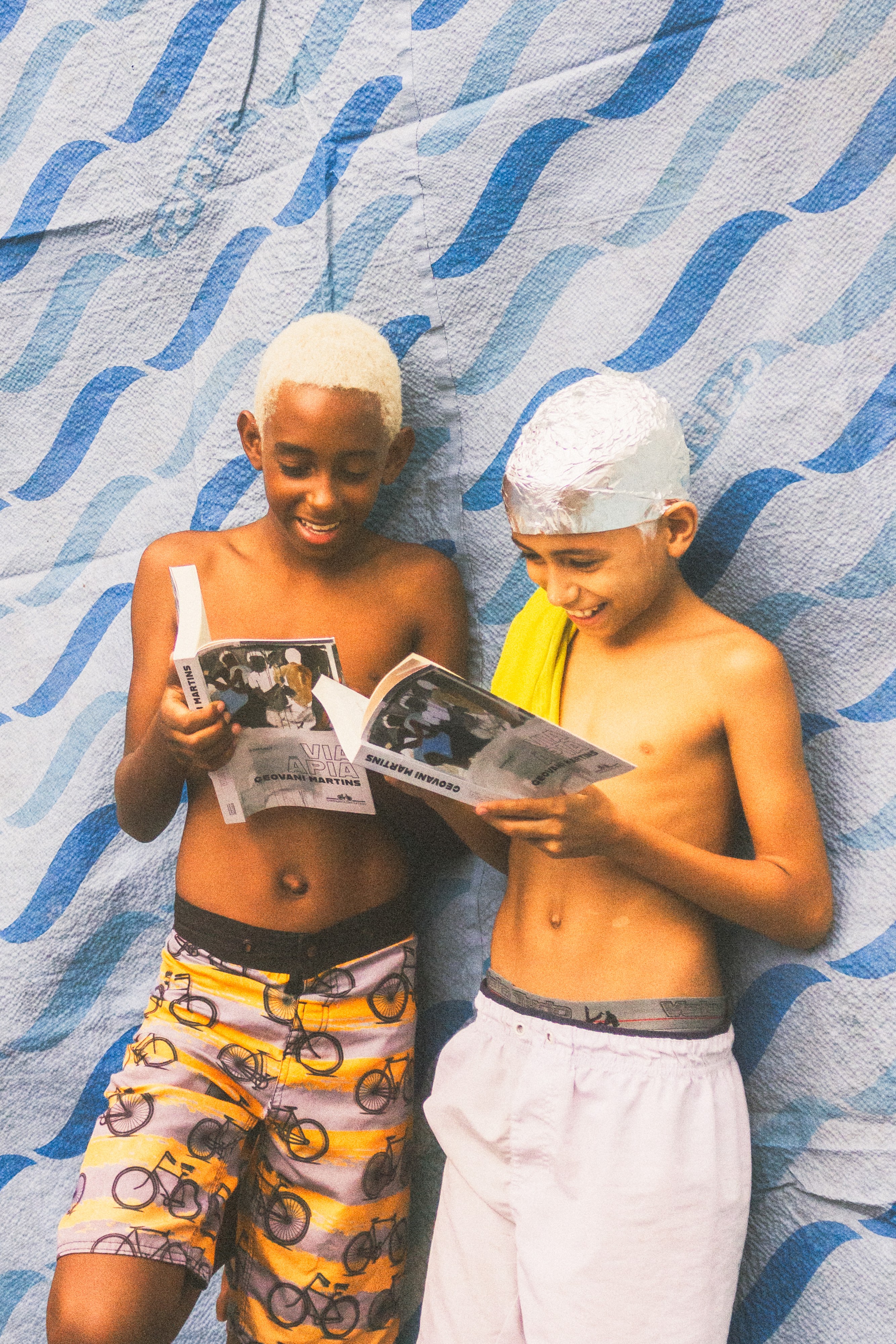
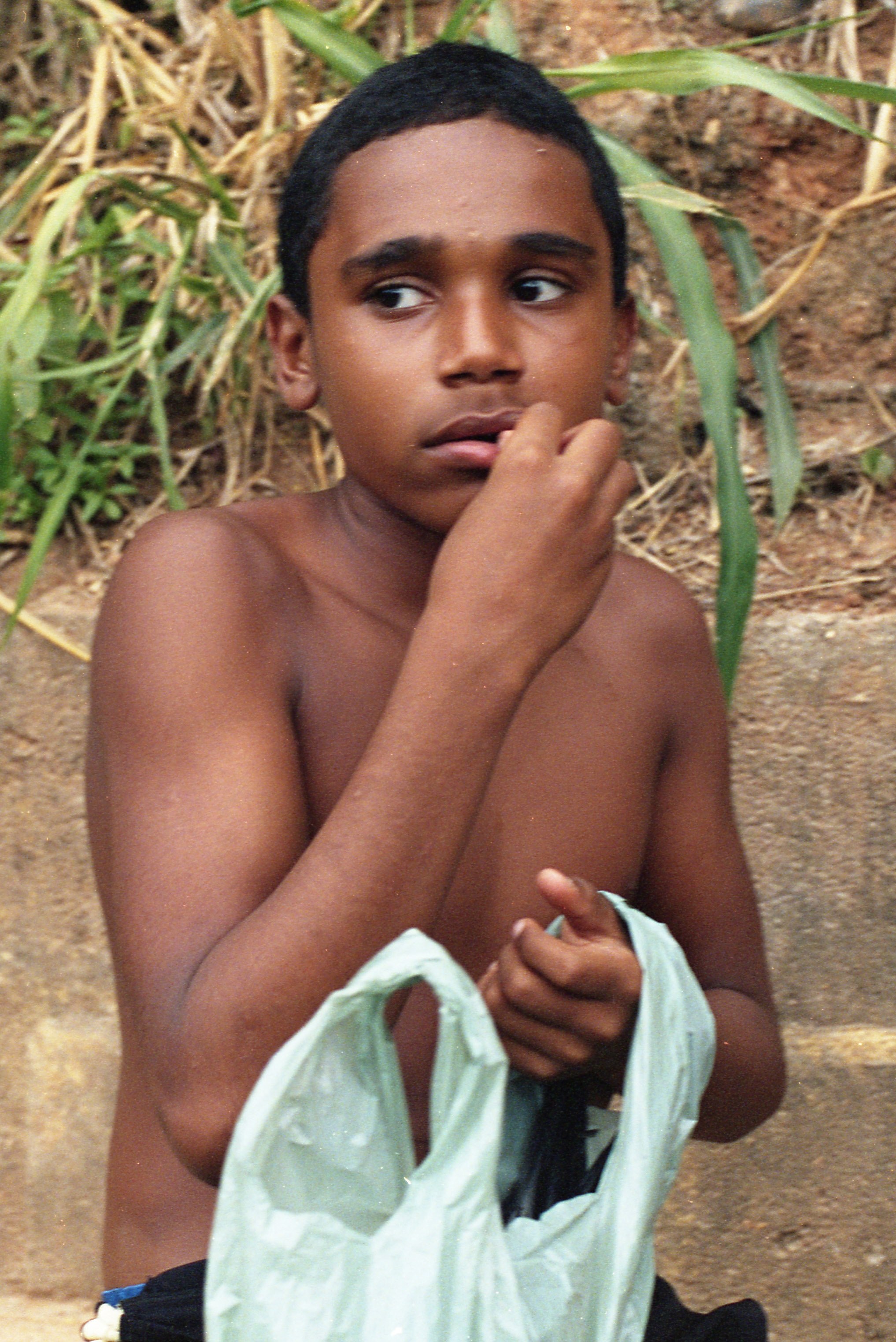
I like eating acerolas. I’m very happy like this, like the other people in the Rocinha favela.
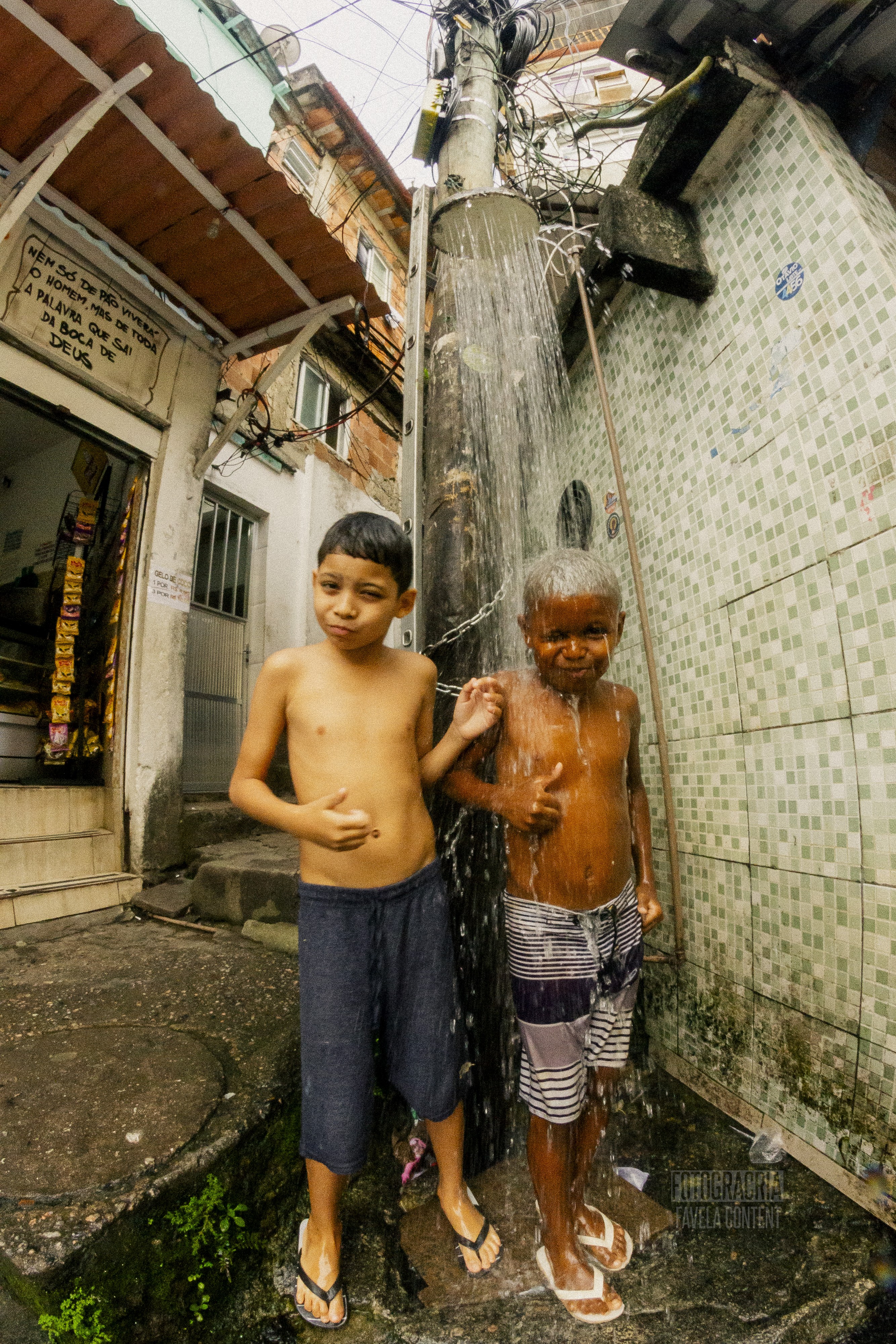
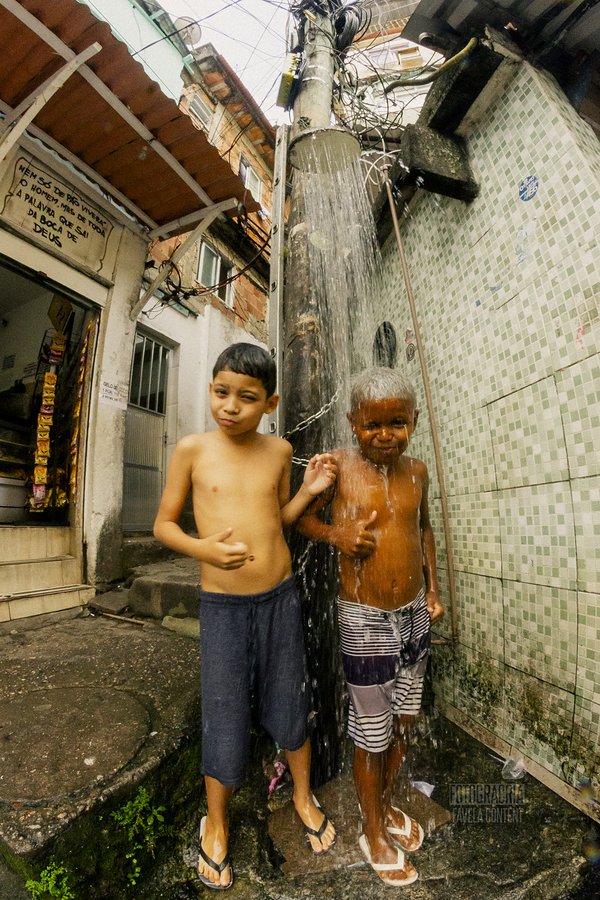
Kauã Davi and his faithful buddy take a shower under the big public shower at Paula Brito, on a hot summer day.
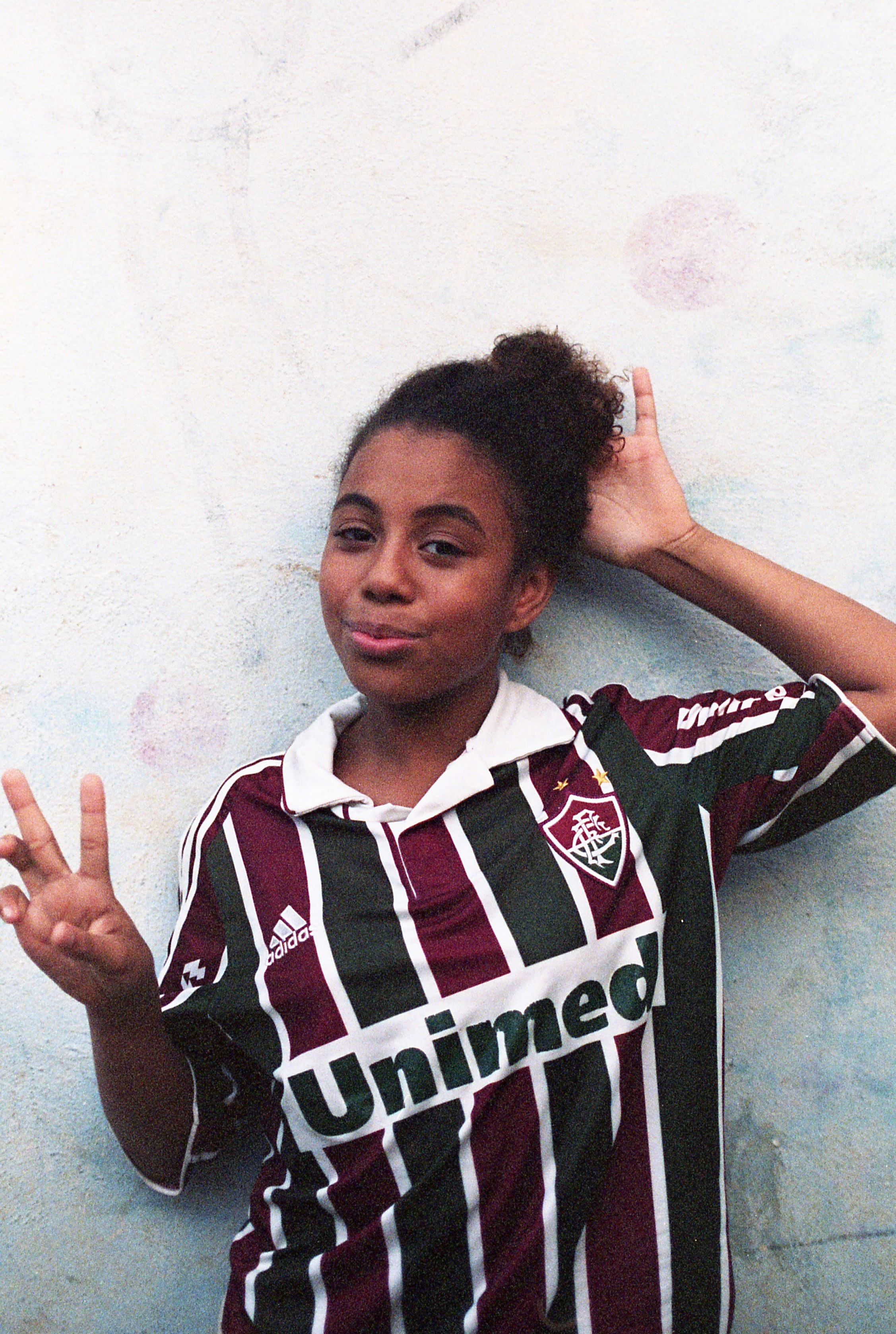
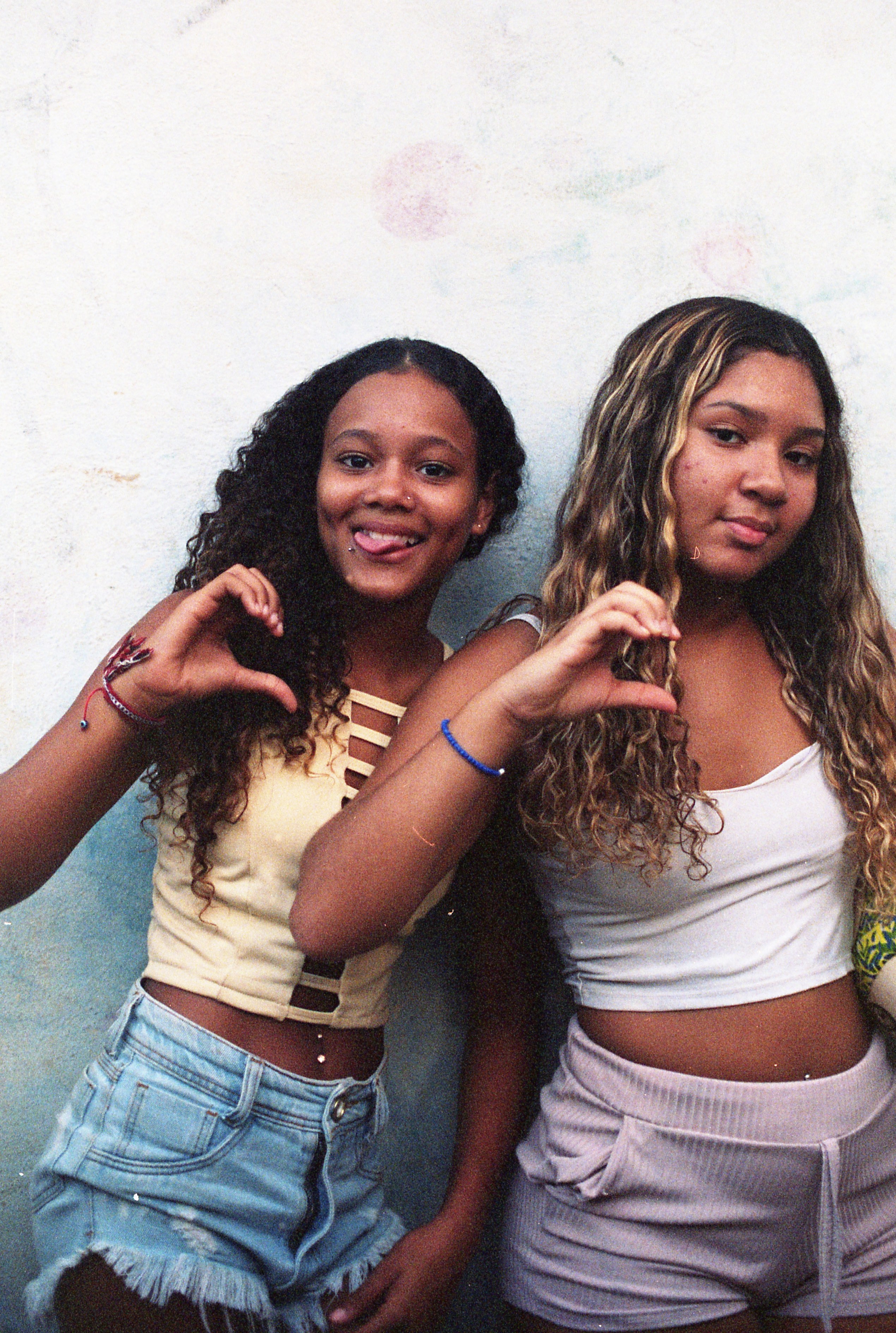
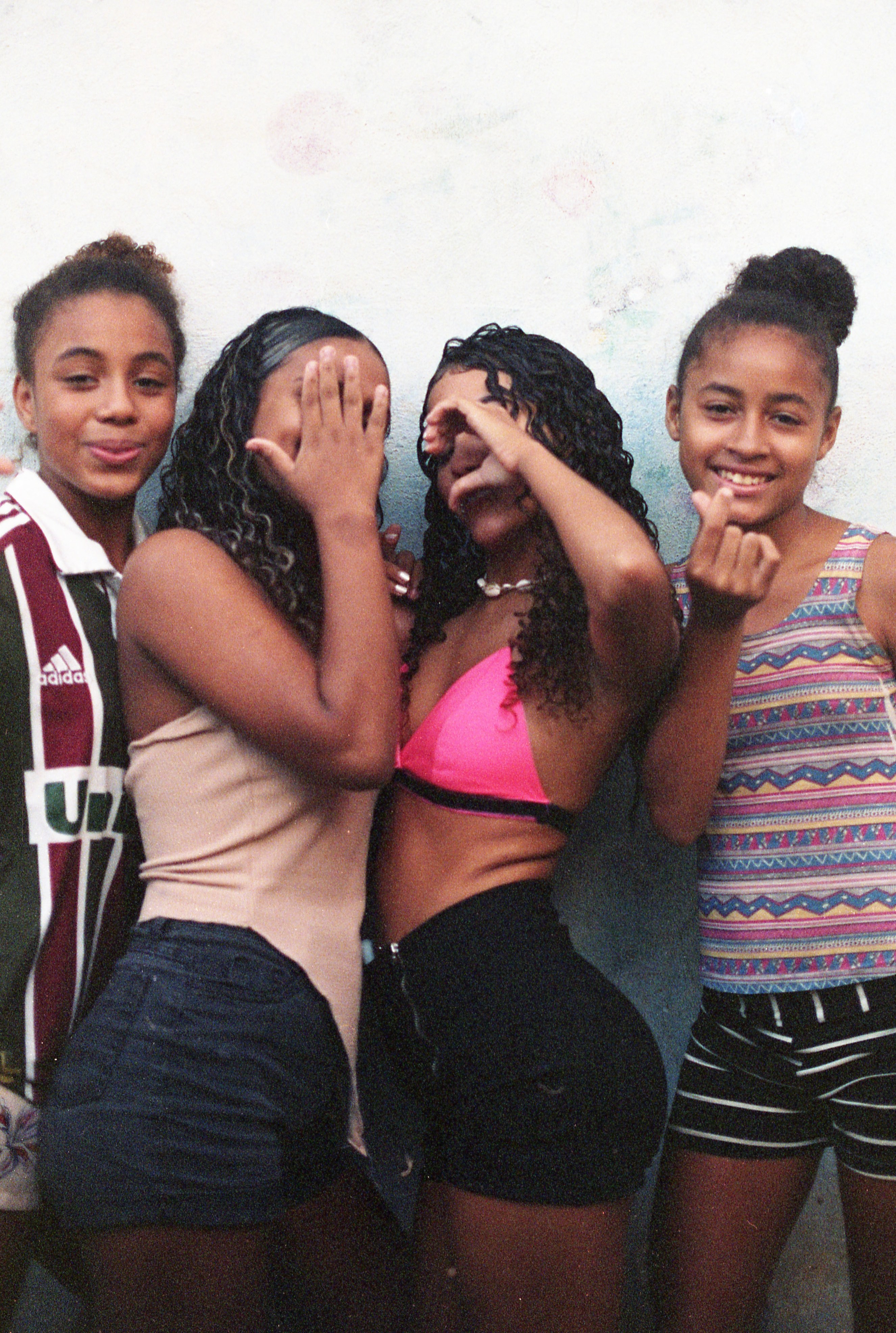
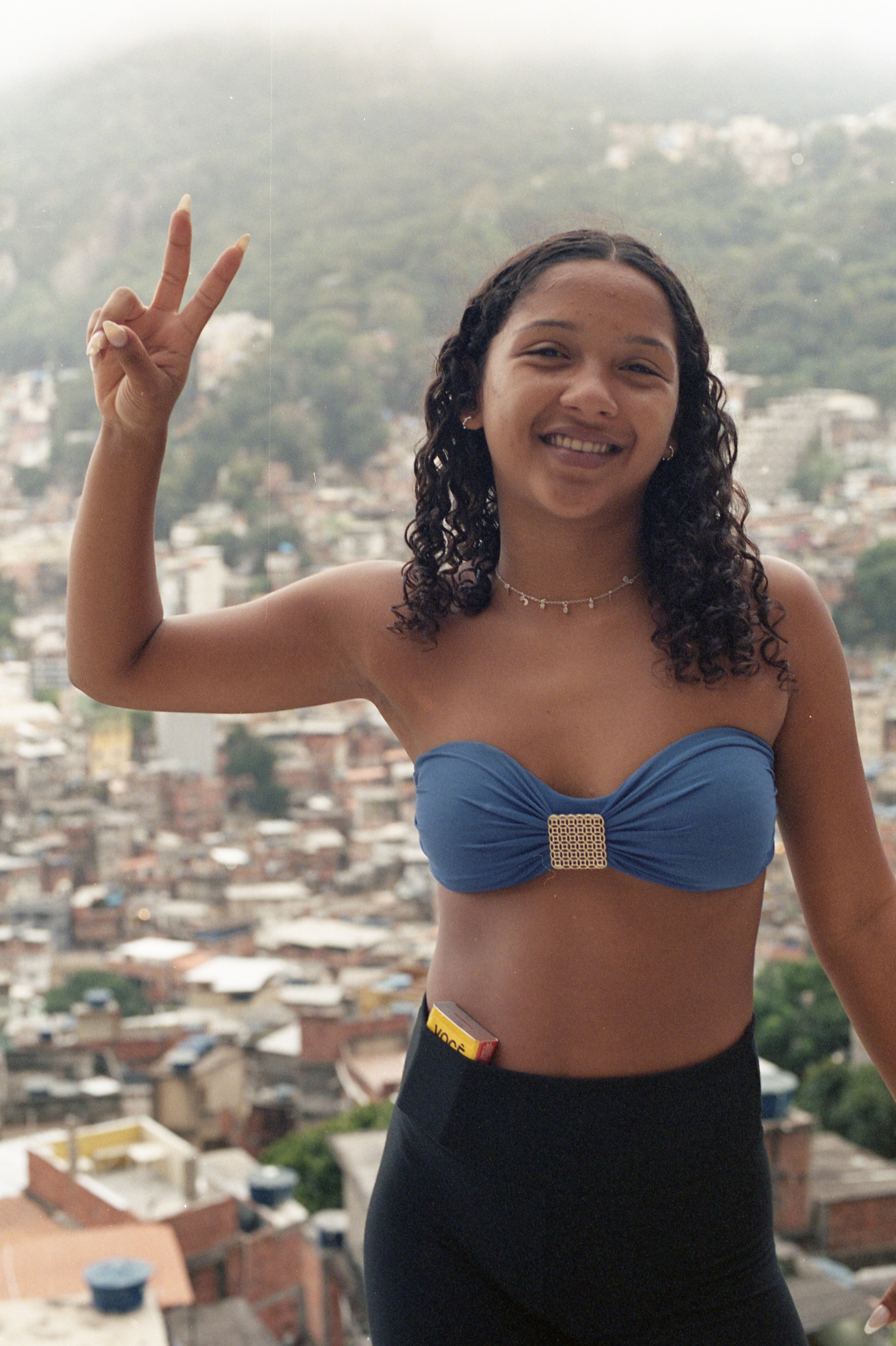
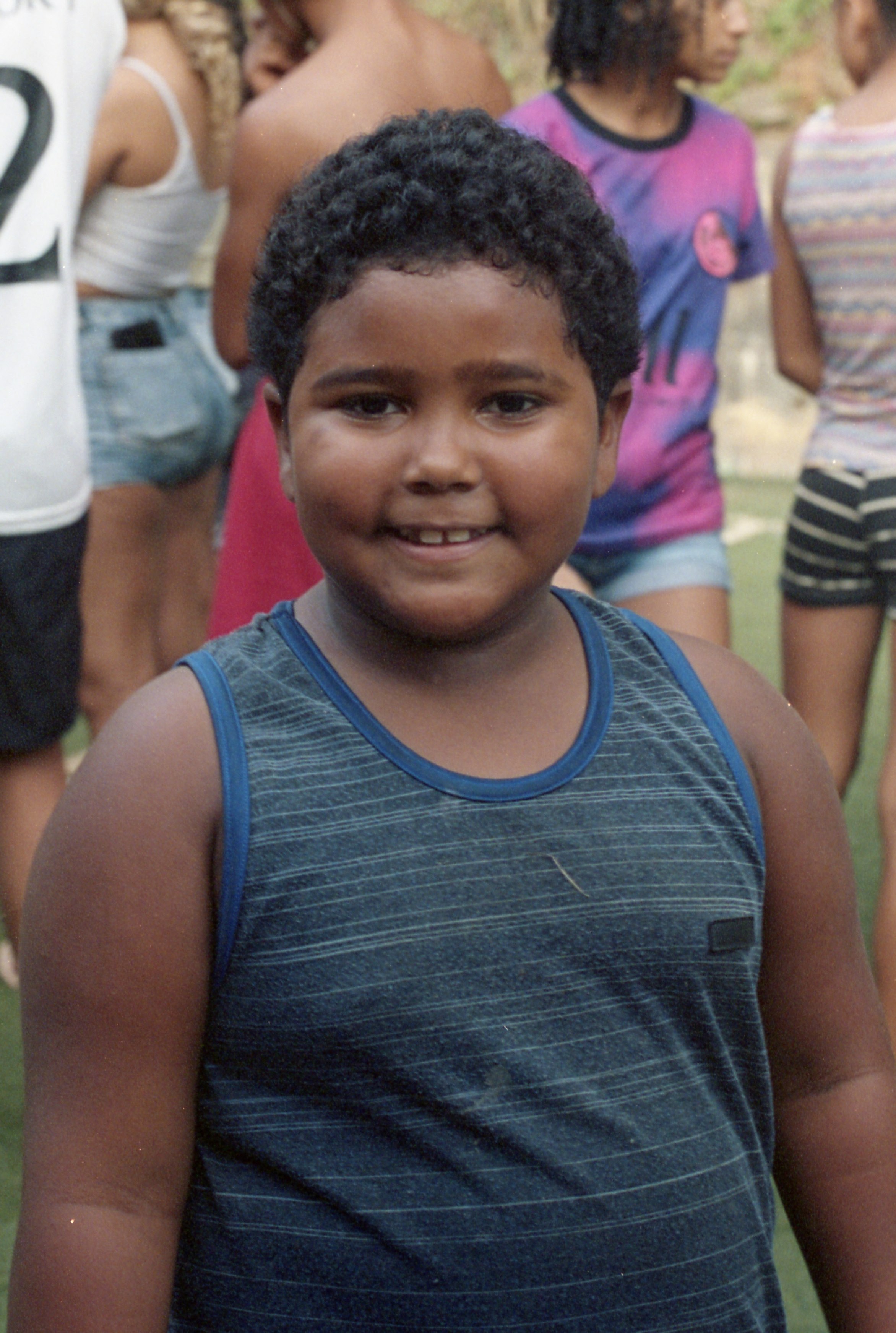
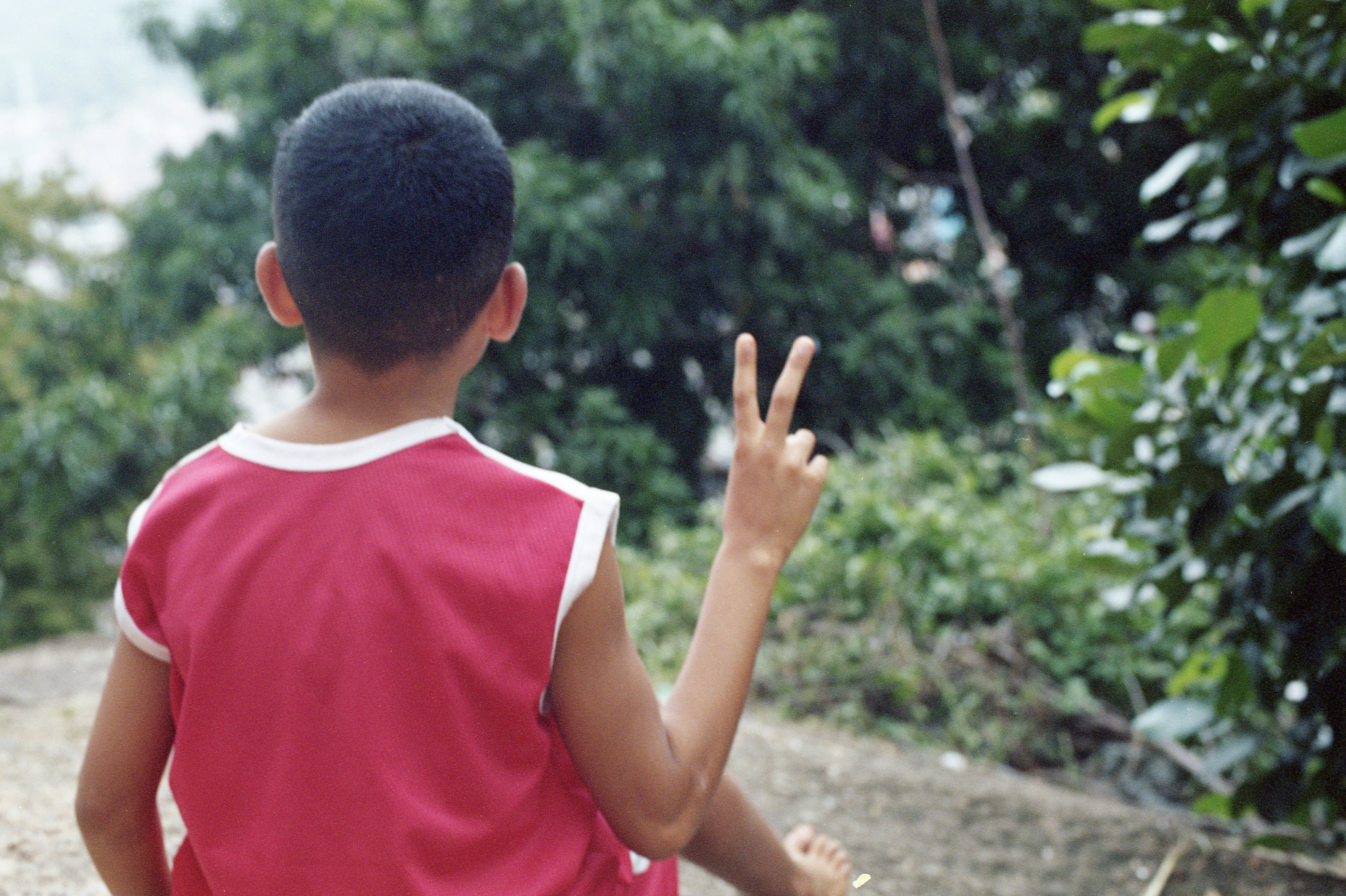
Life up high and in the passageways: funk on the laje, kites, the balcony, the hawks of Laboriô, the view.
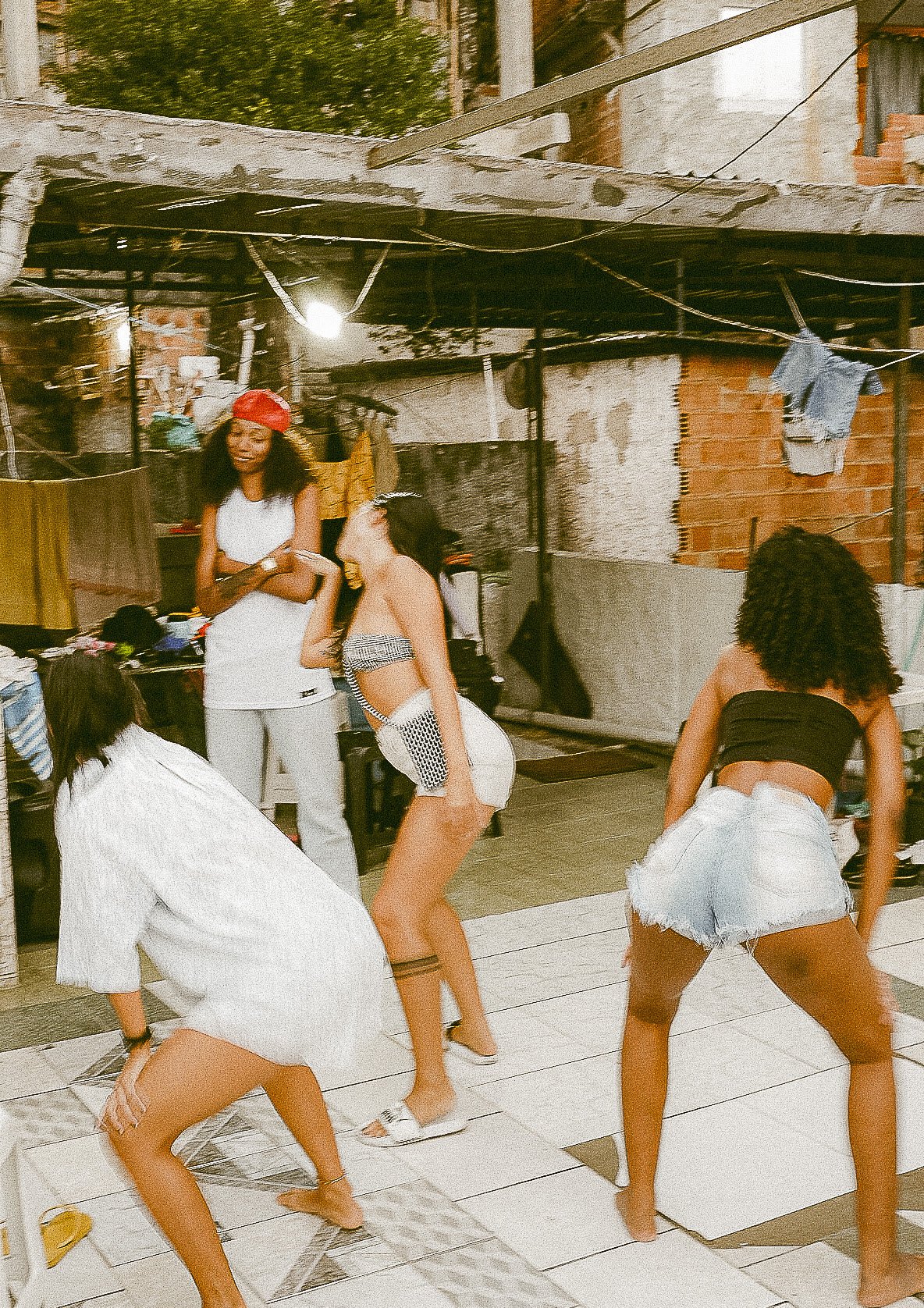
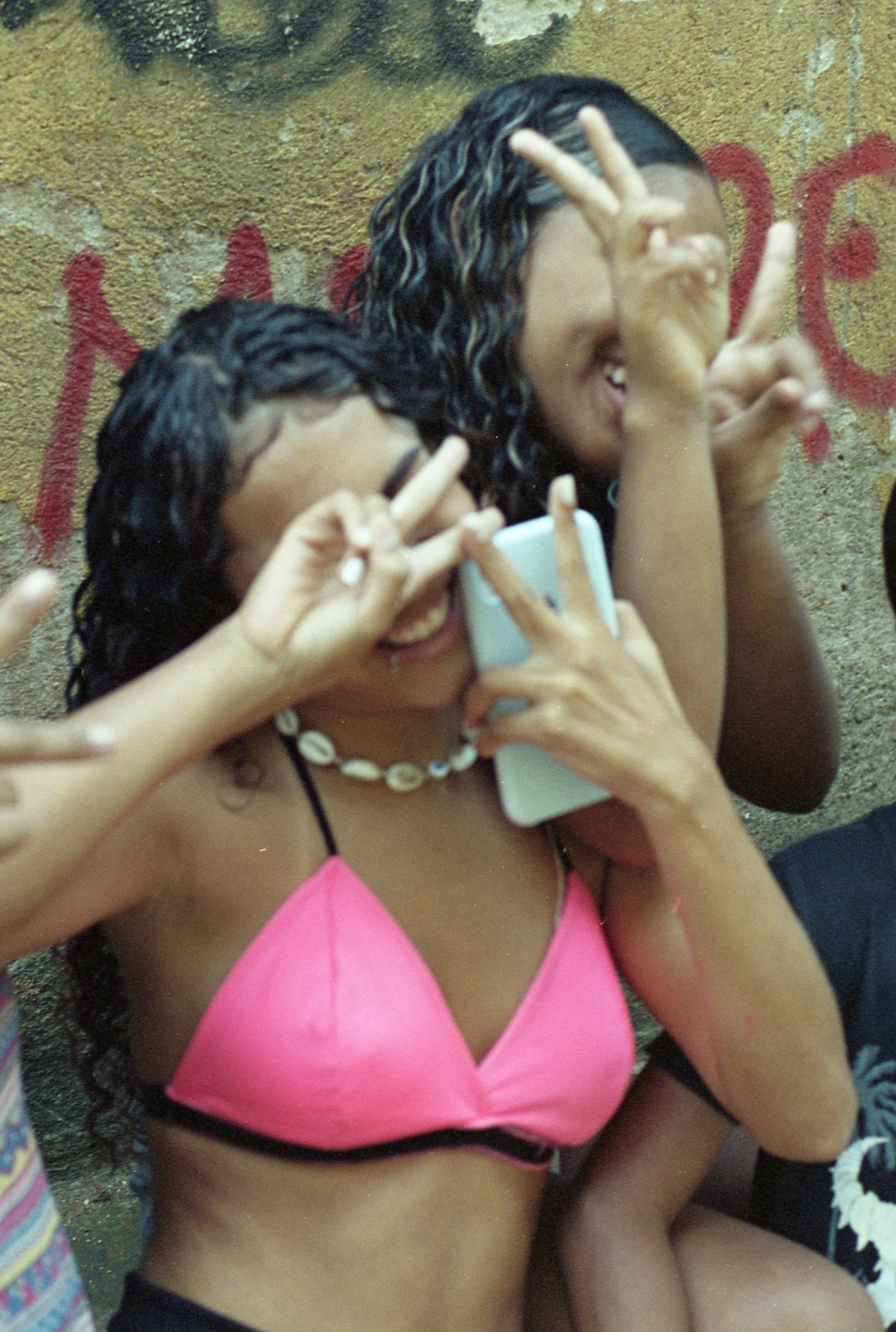
Raíssa, Debs, Maísa and Bruna dance funk on the laje of Eliane, the photographer’s mother, on a summer day during the holidays.
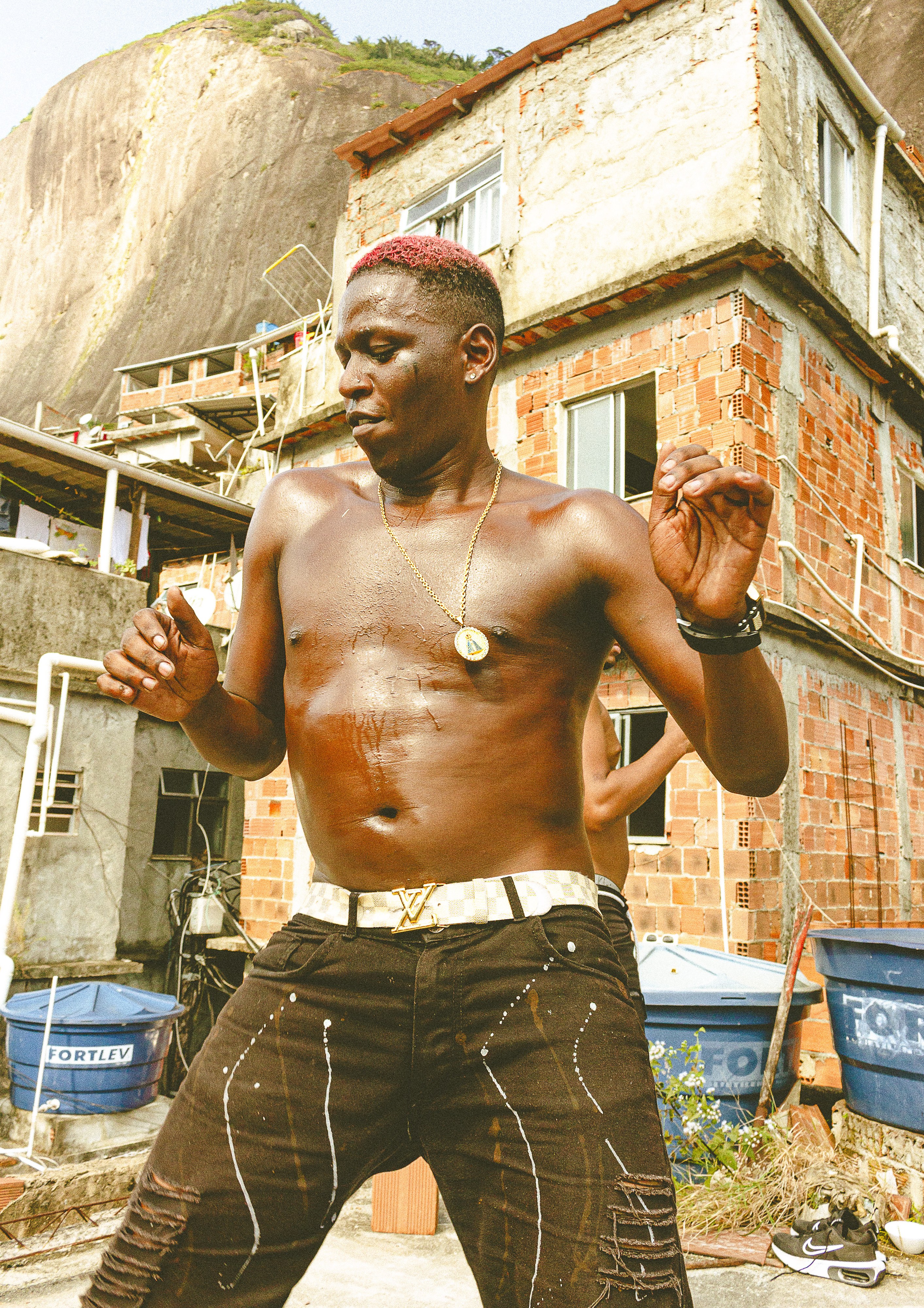
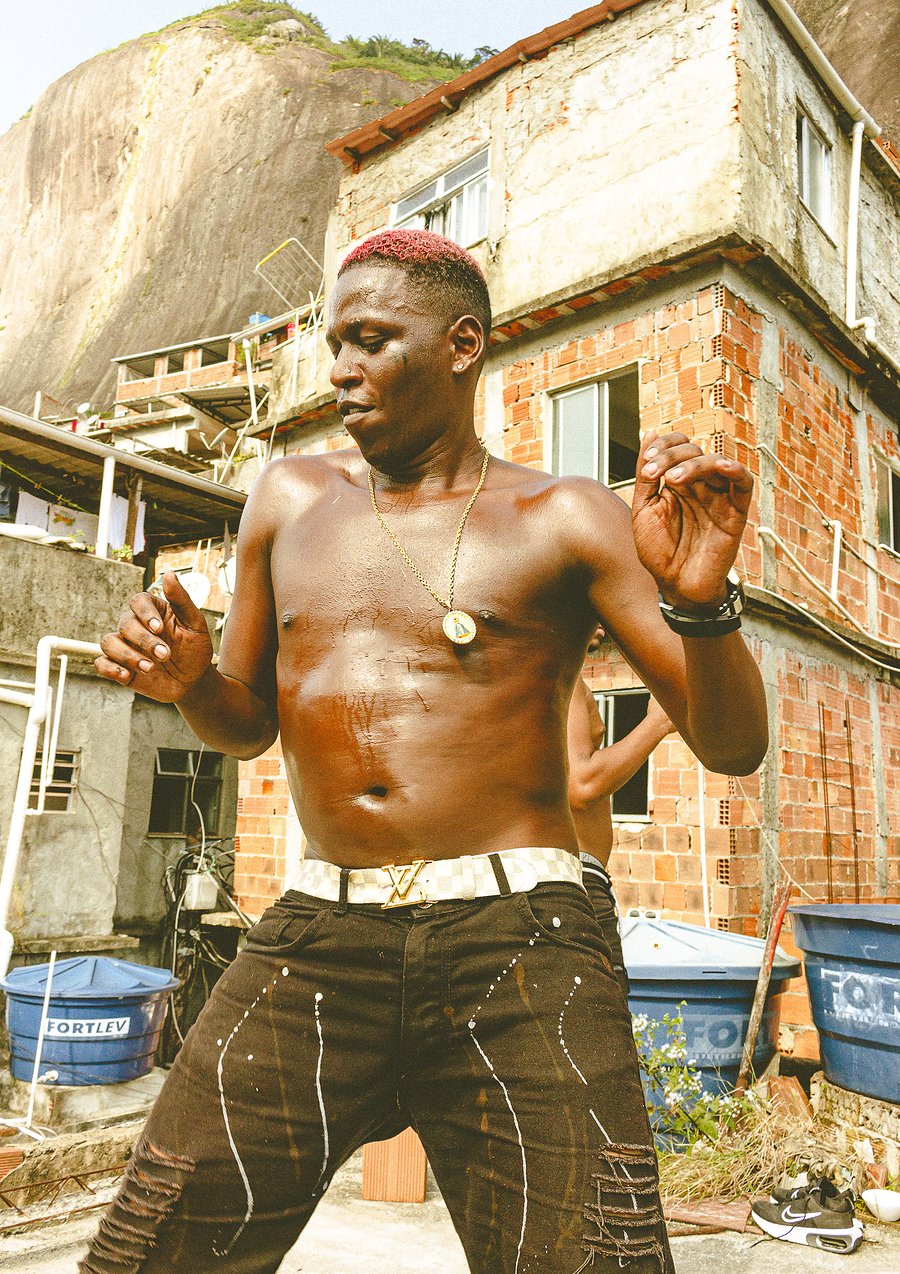
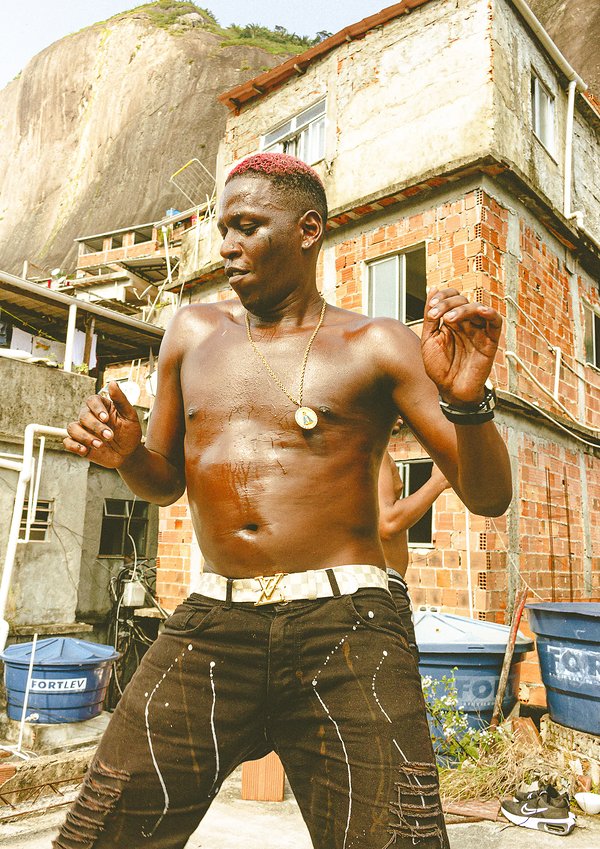
The talented Wallace Brito, known as WB, member of “Oz Crias”, a passinho group from Rocinha — a dance born in Rio’s favelas — dances with strength and power on a laje.
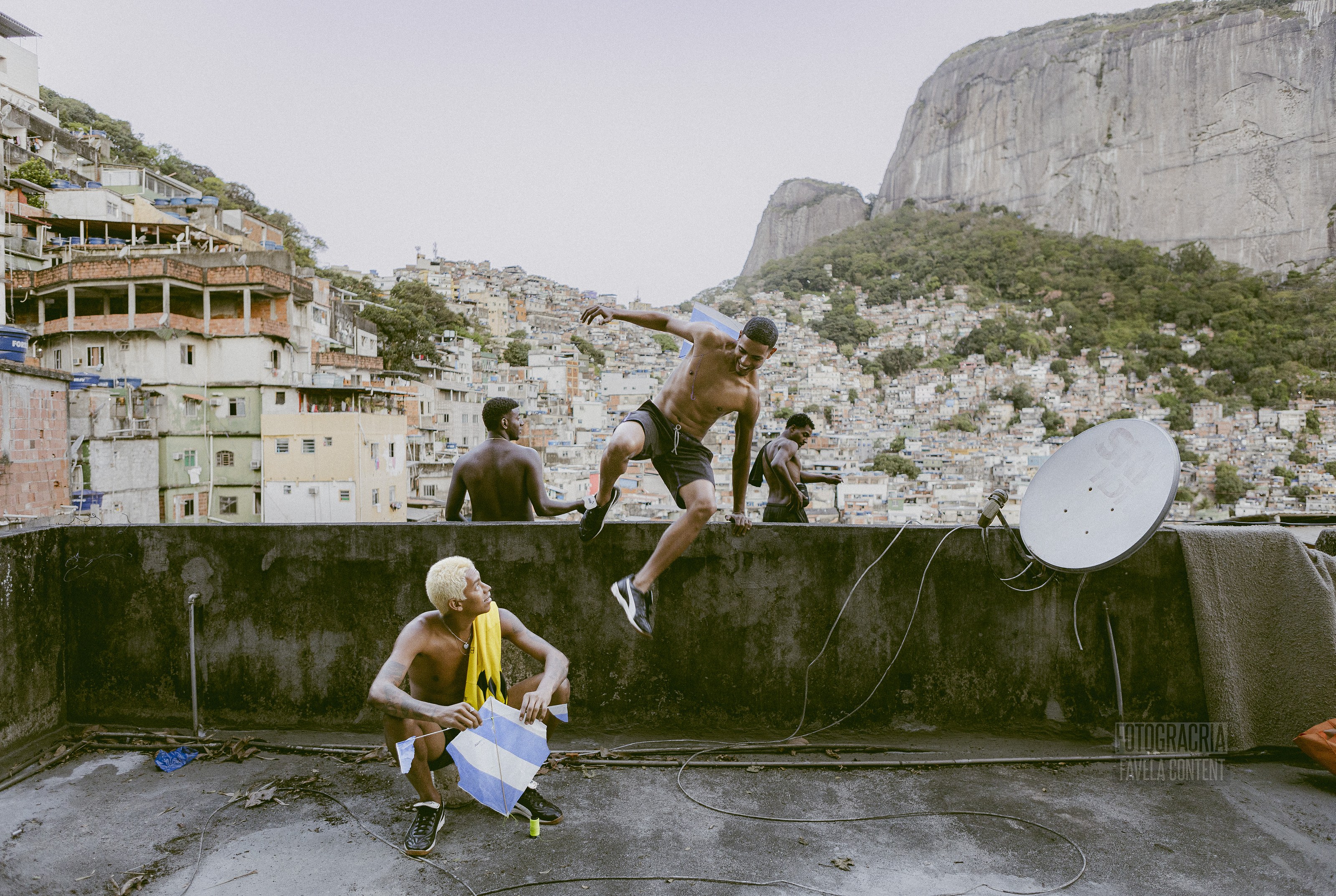
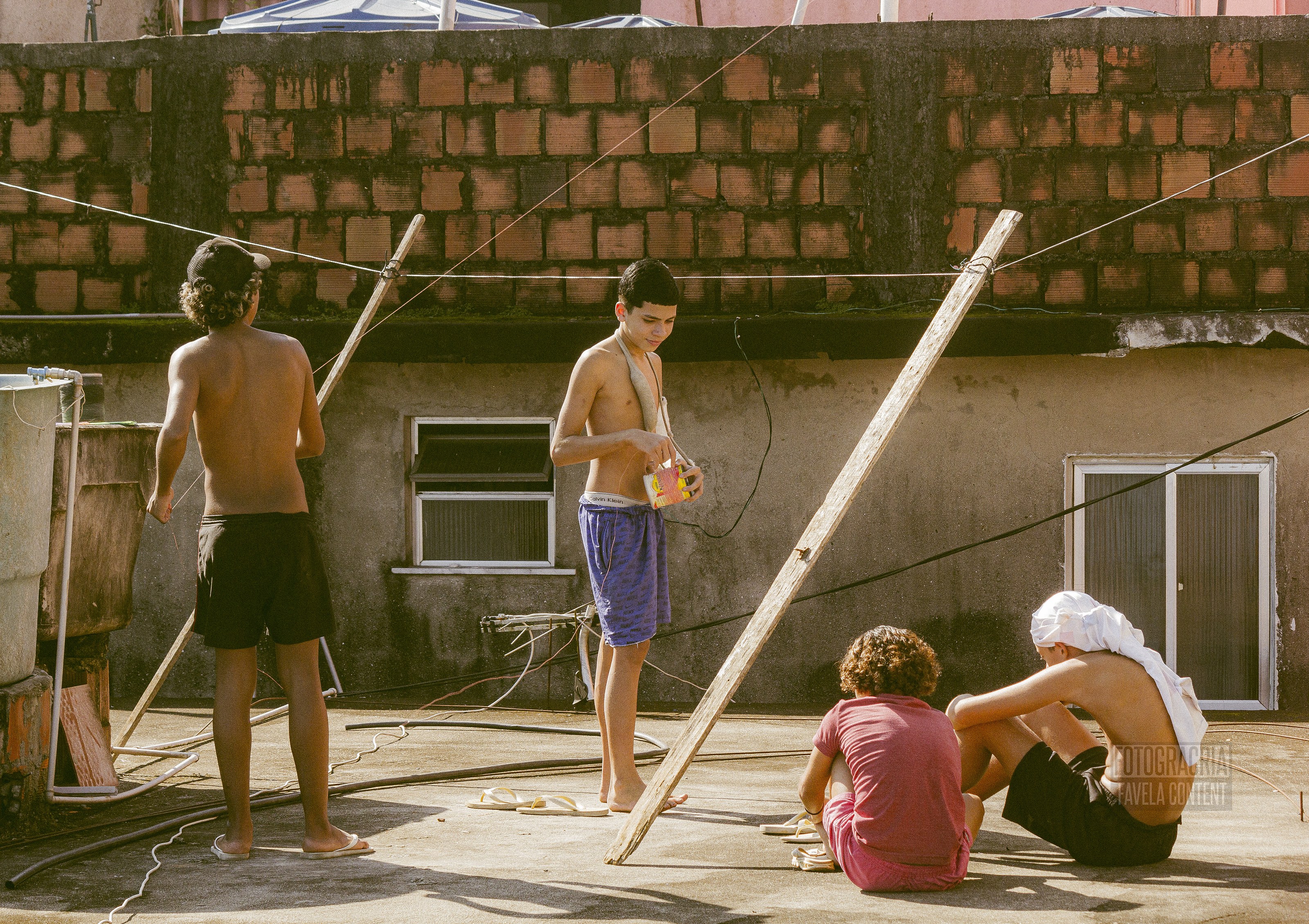
On a laje in Paula Brito, Abeguar, Daniel, Caio and Gustavo fly kites for fun.
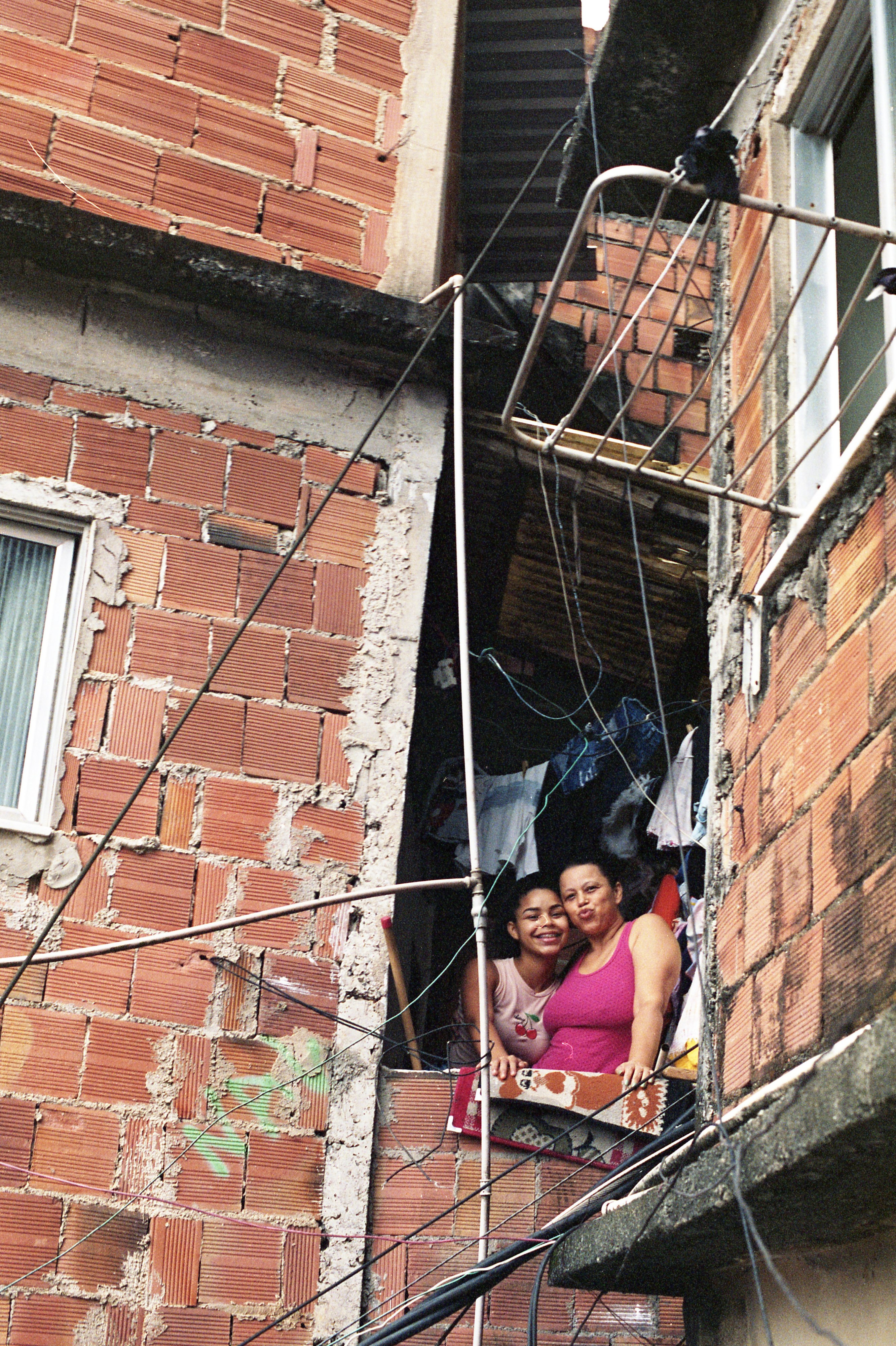
Dora, my mother, an amazing and beautiful woman. She does everything to make me happy. Clara is annoying, but I love her.
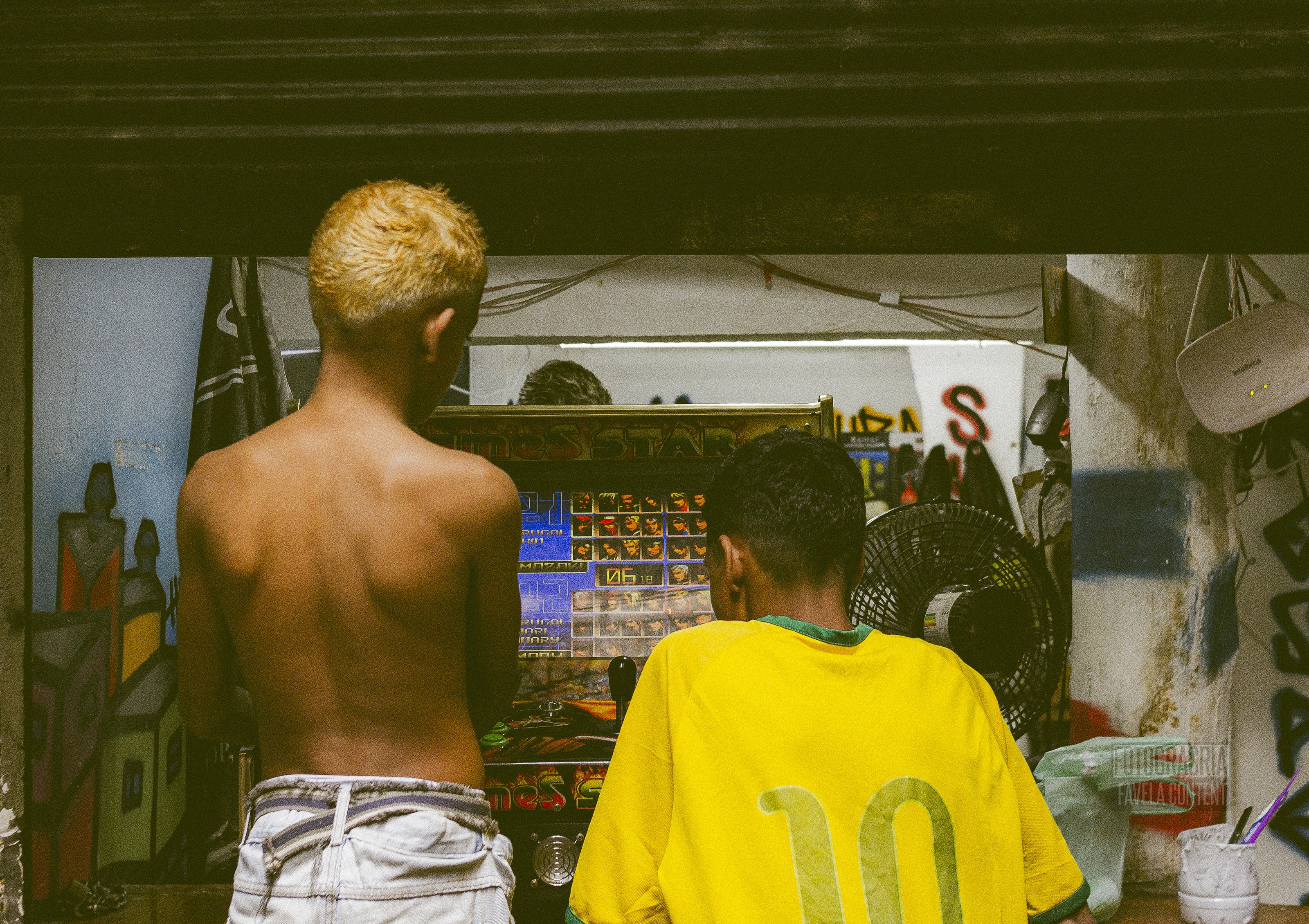
The brothers Breno and Brian play The King of Fighters at a barber’s in the alleys of Valão. This photograph was shown, with others by the author, during the singer Ludmilla’s show at Rock in Rio — the most talked-about in the world that day.
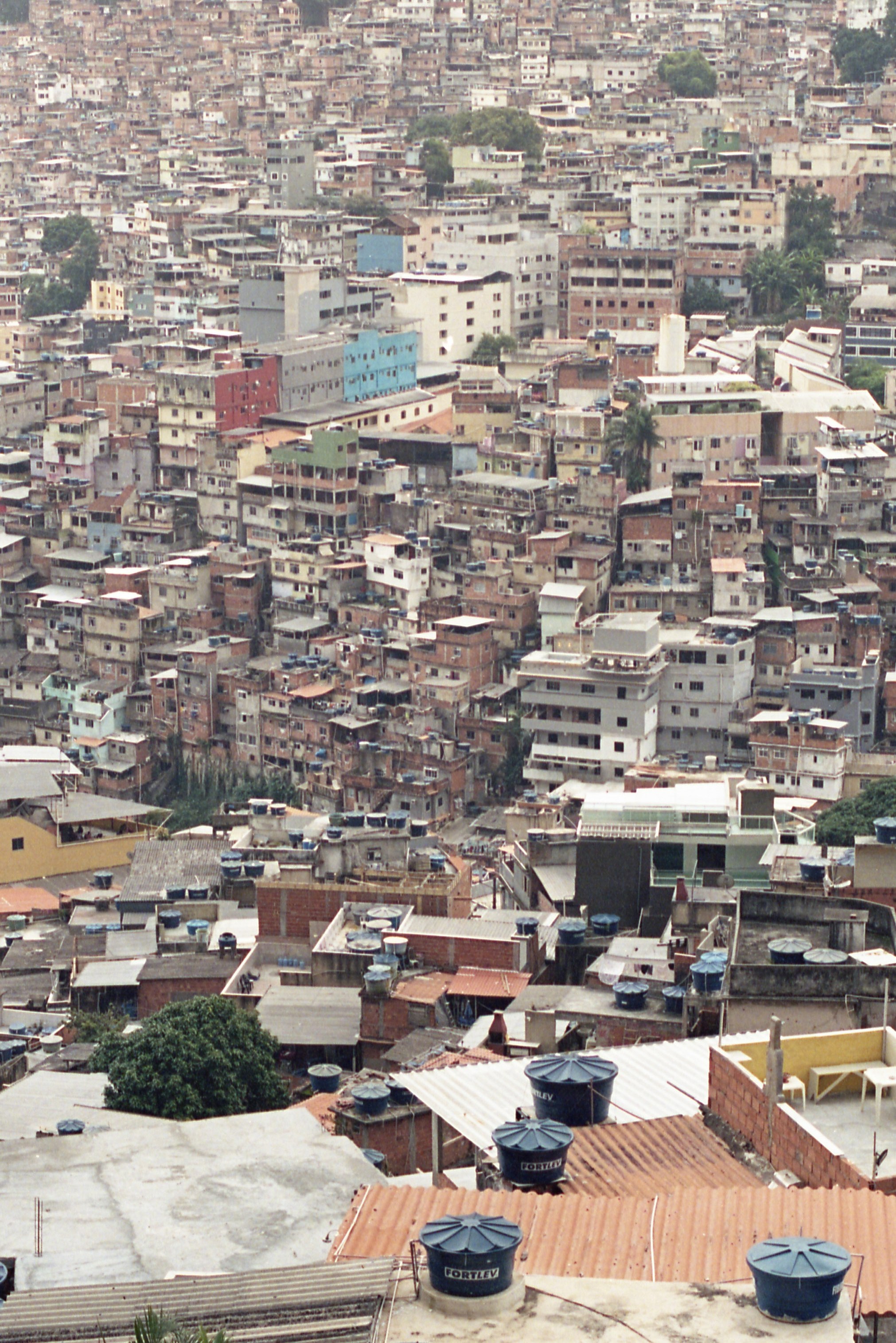
Rocinha is a community with lots of different people and lots of different animals. People think Rocinha is dangerous, but Rocinha is a peaceful place.
The people who inspire the hill: a singer, a barber, a photographer. Neighbourhood heroes, photographed by someone from the neighbourhood.
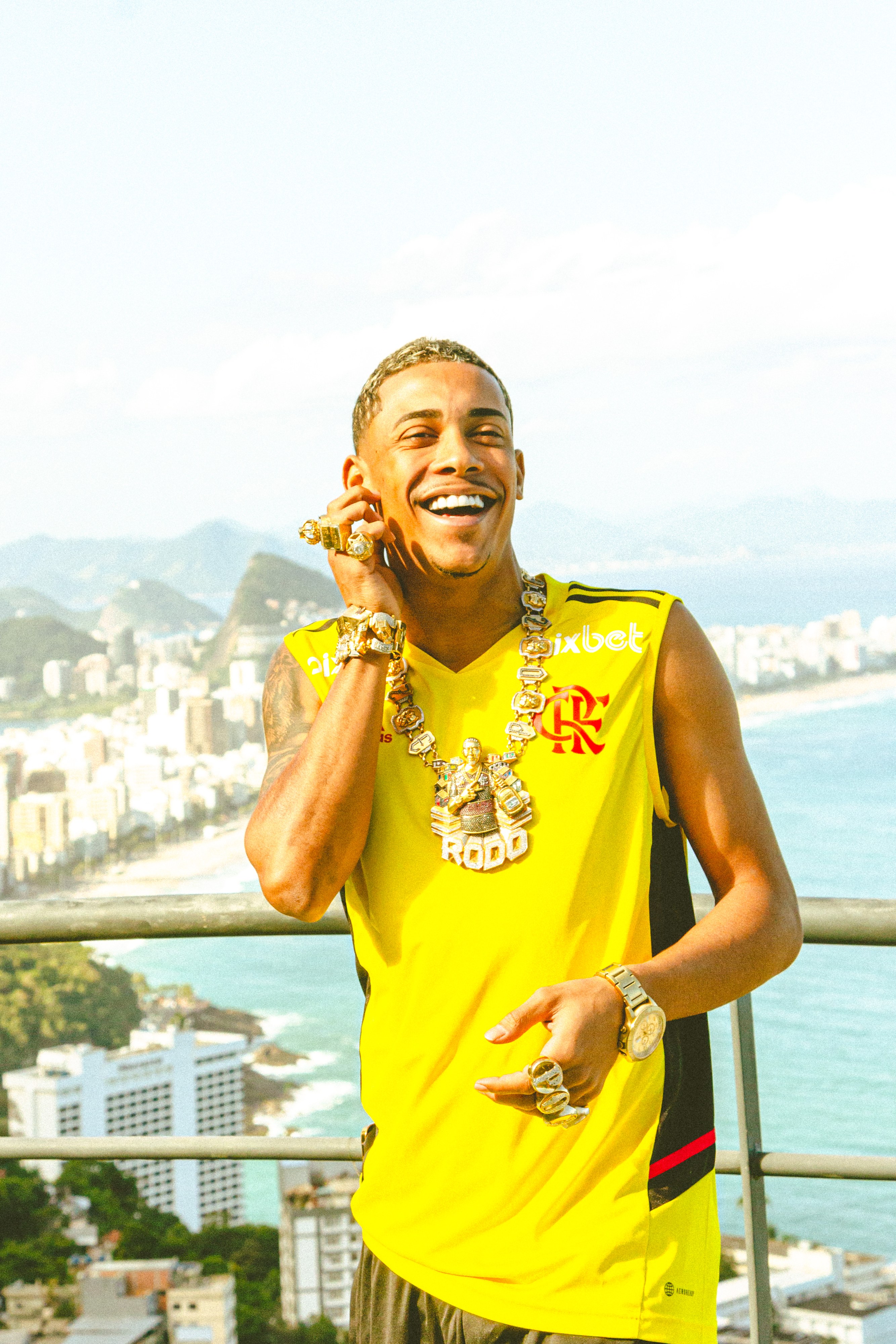
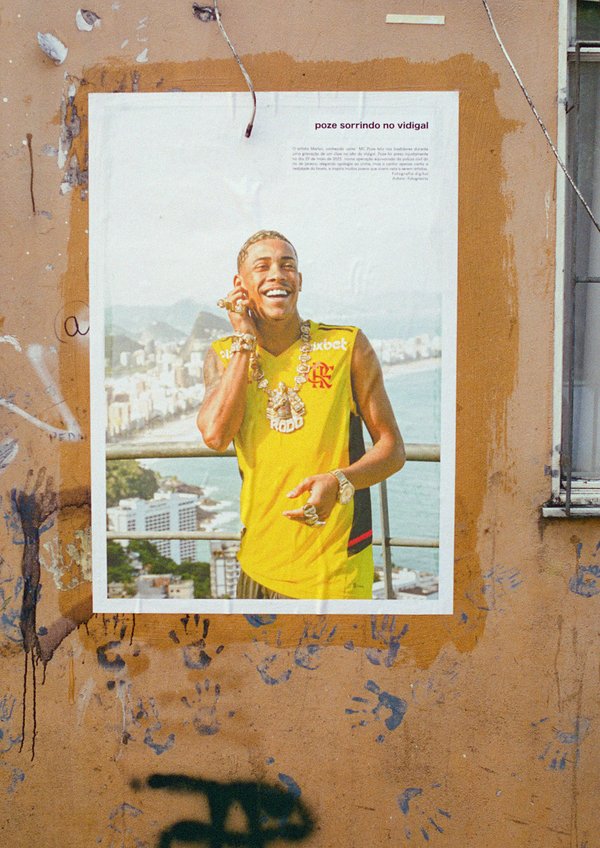
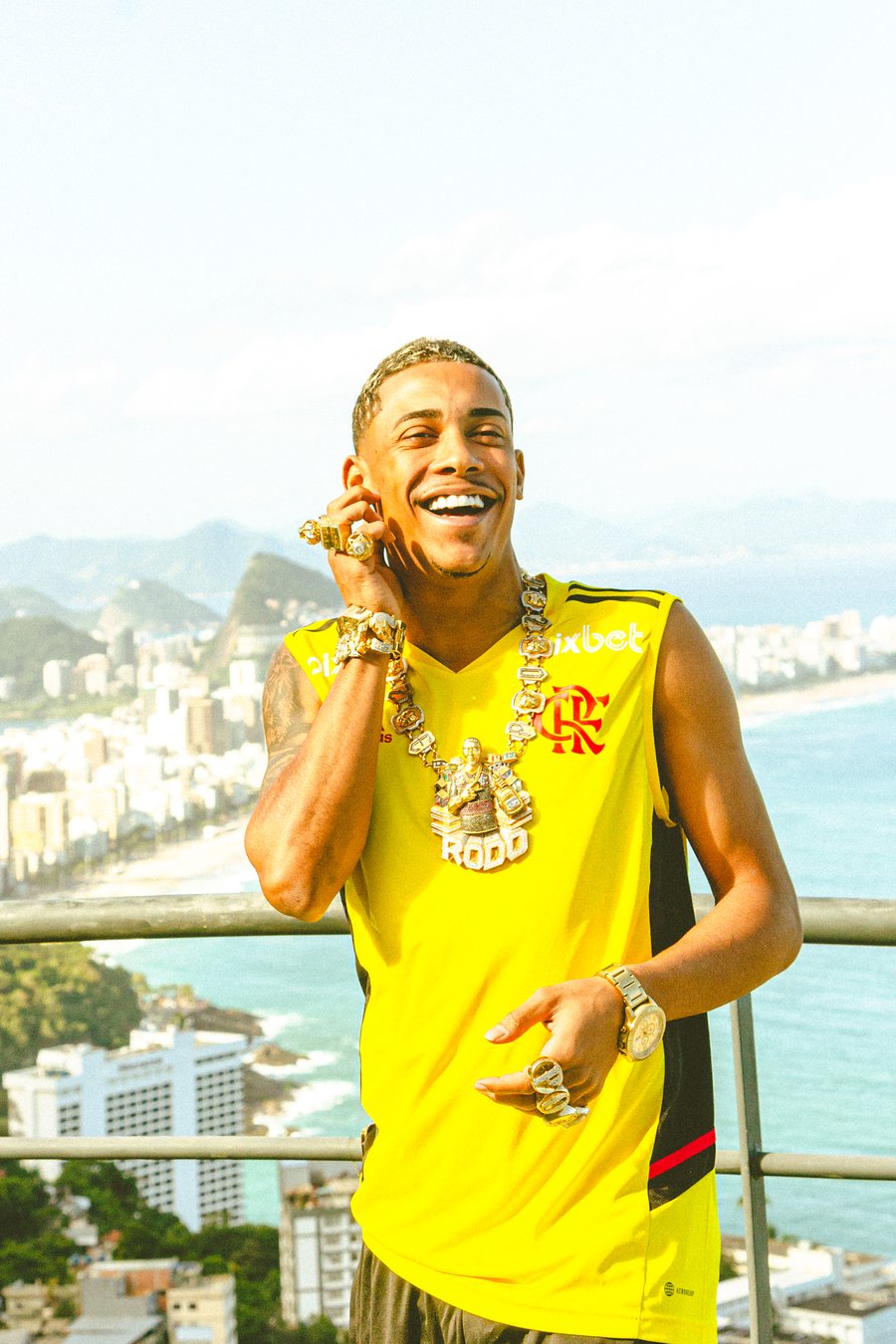
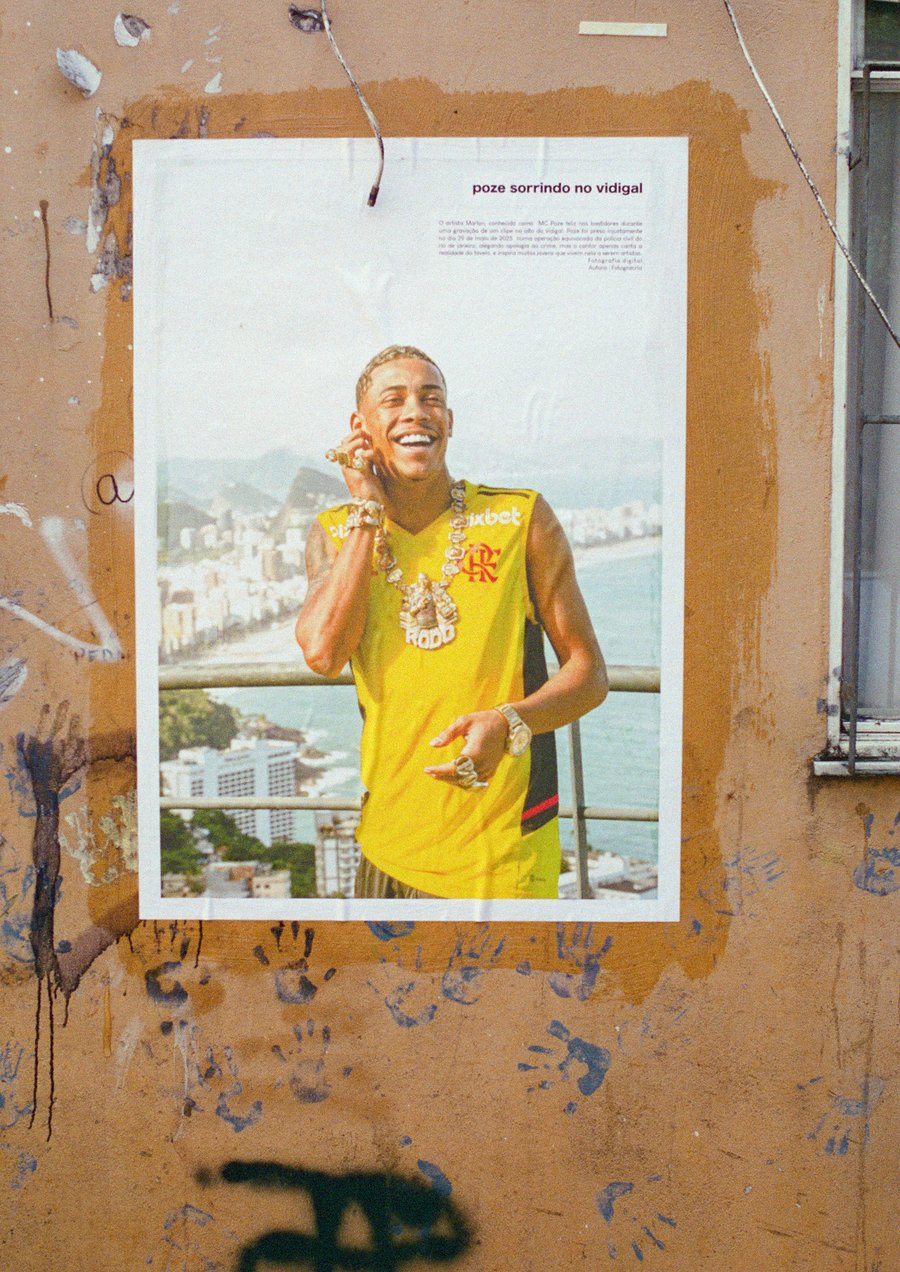
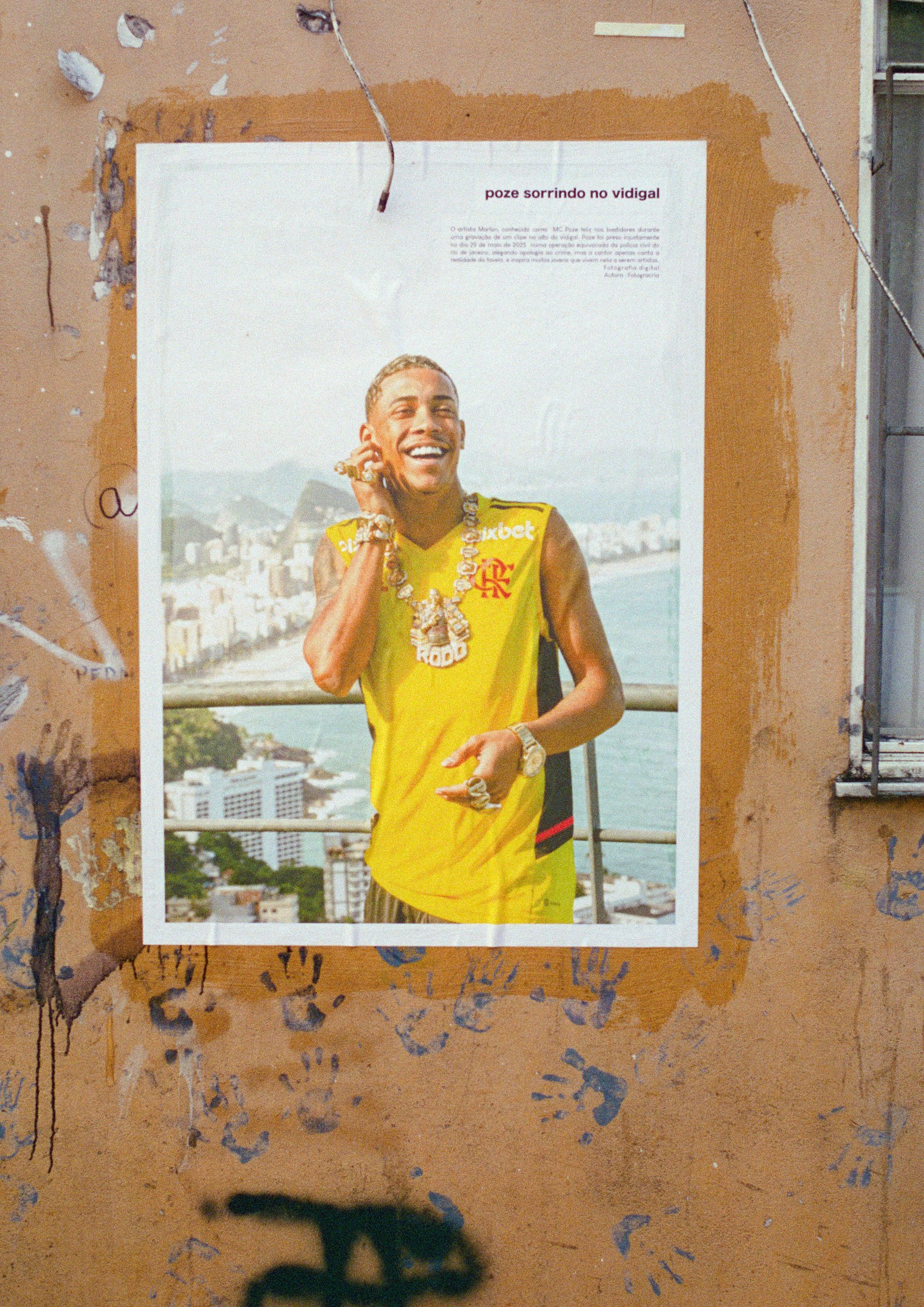
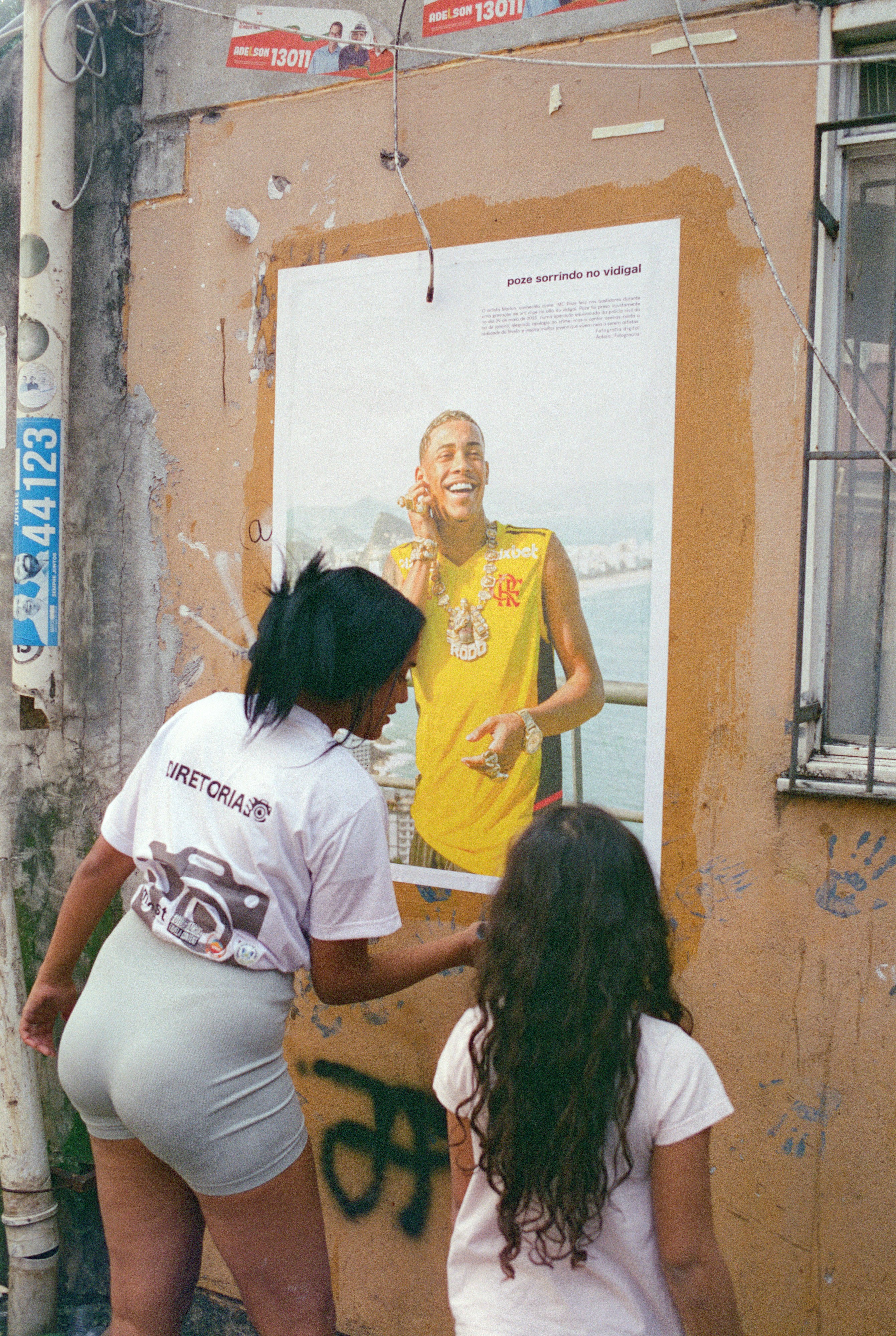
The artist Marlon, known as MC Poze, happy behind the scenes of a music-video shoot at the top of Vidigal. Poze was wrongly arrested on 29 May 2025, in a misguided operation by Rio de Janeiro’s civil police, on a charge of “glorifying crime”; but the singer only sings the reality of the favela, and he inspires many young people who live there to become artists.
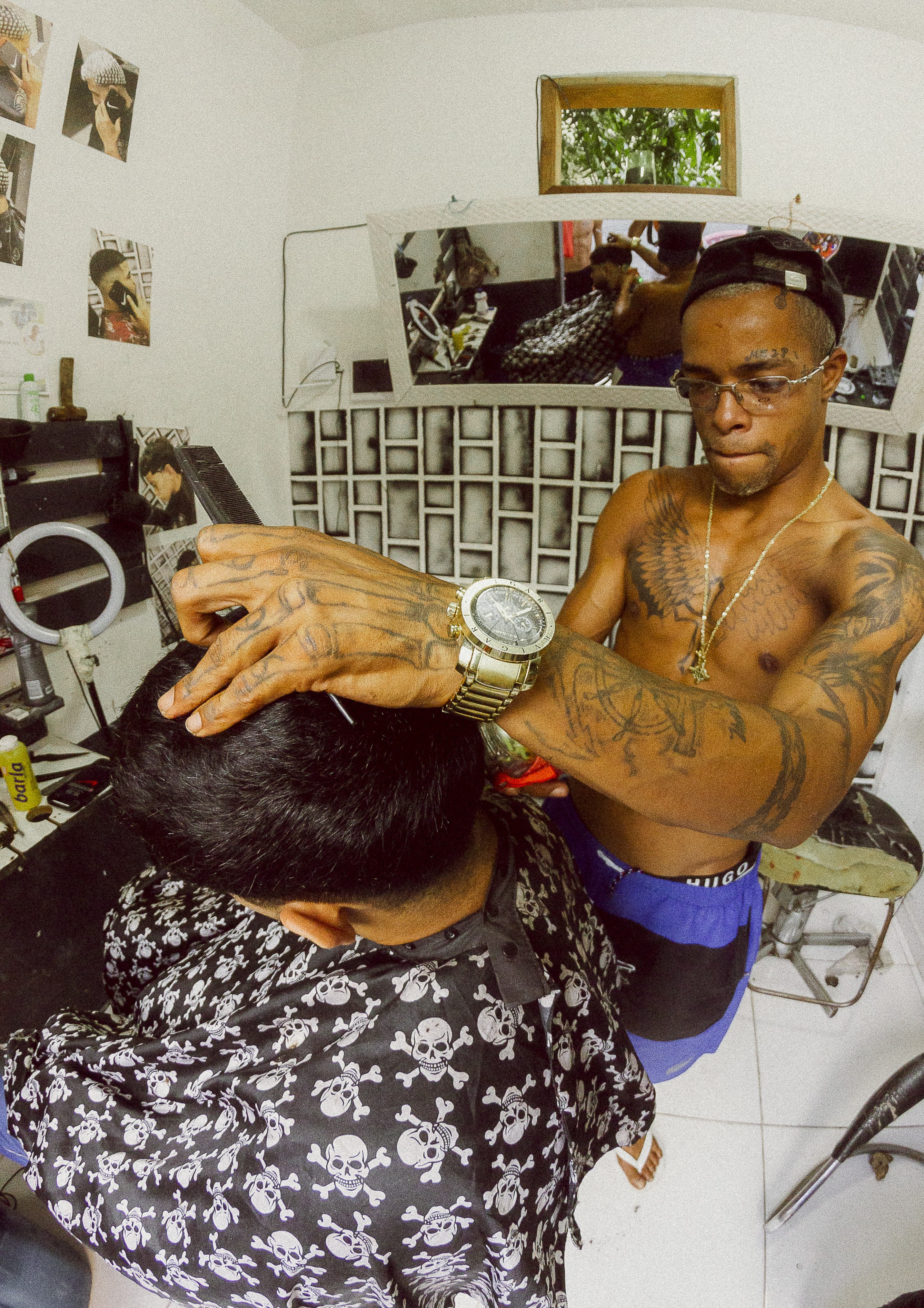
Peterson, known as Maquininha, is a barber and artist who is famous in Rocinha, and also across Brazil and abroad. Fotogracria has documented his path since 2020; together they have made several campaigns for brands such as Puma and Rabanne, and have appeared in FFW, Cold Archives and Outlander Magazine.
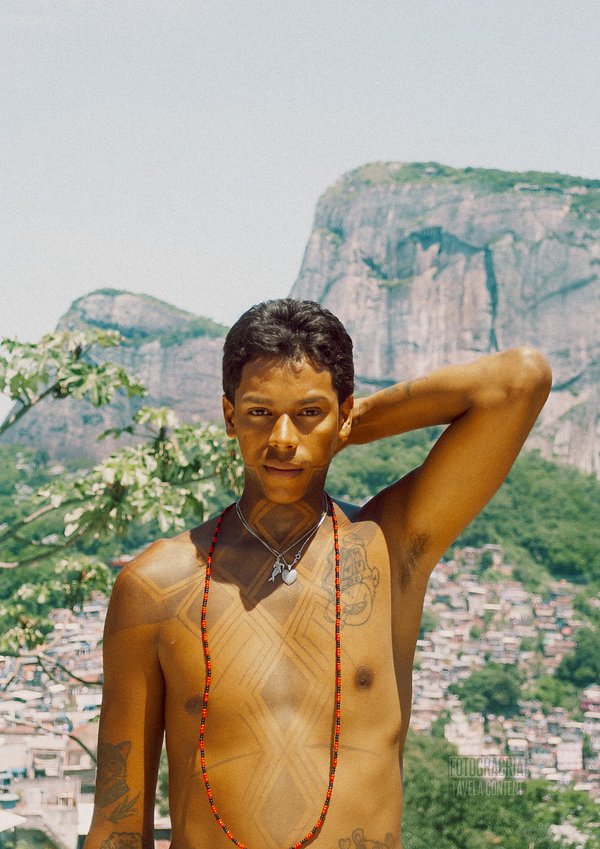
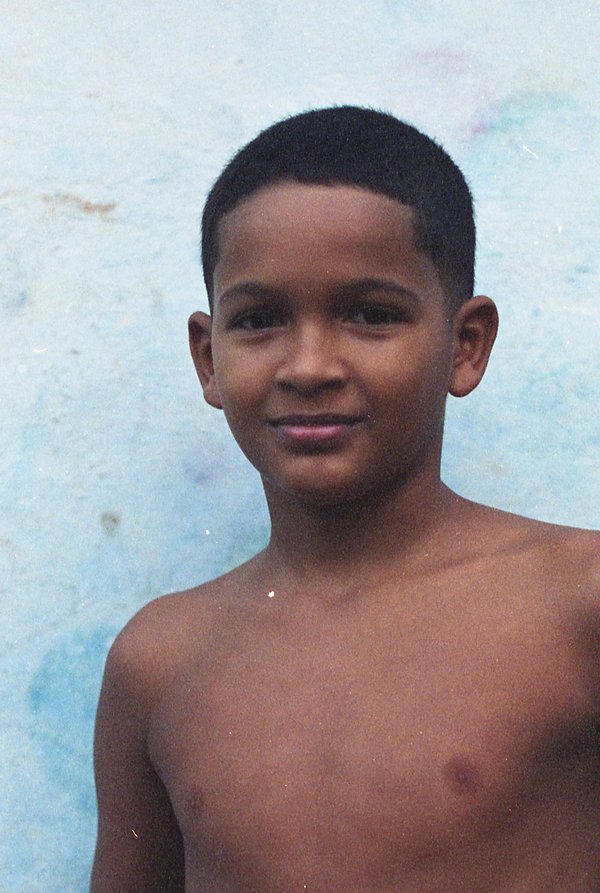
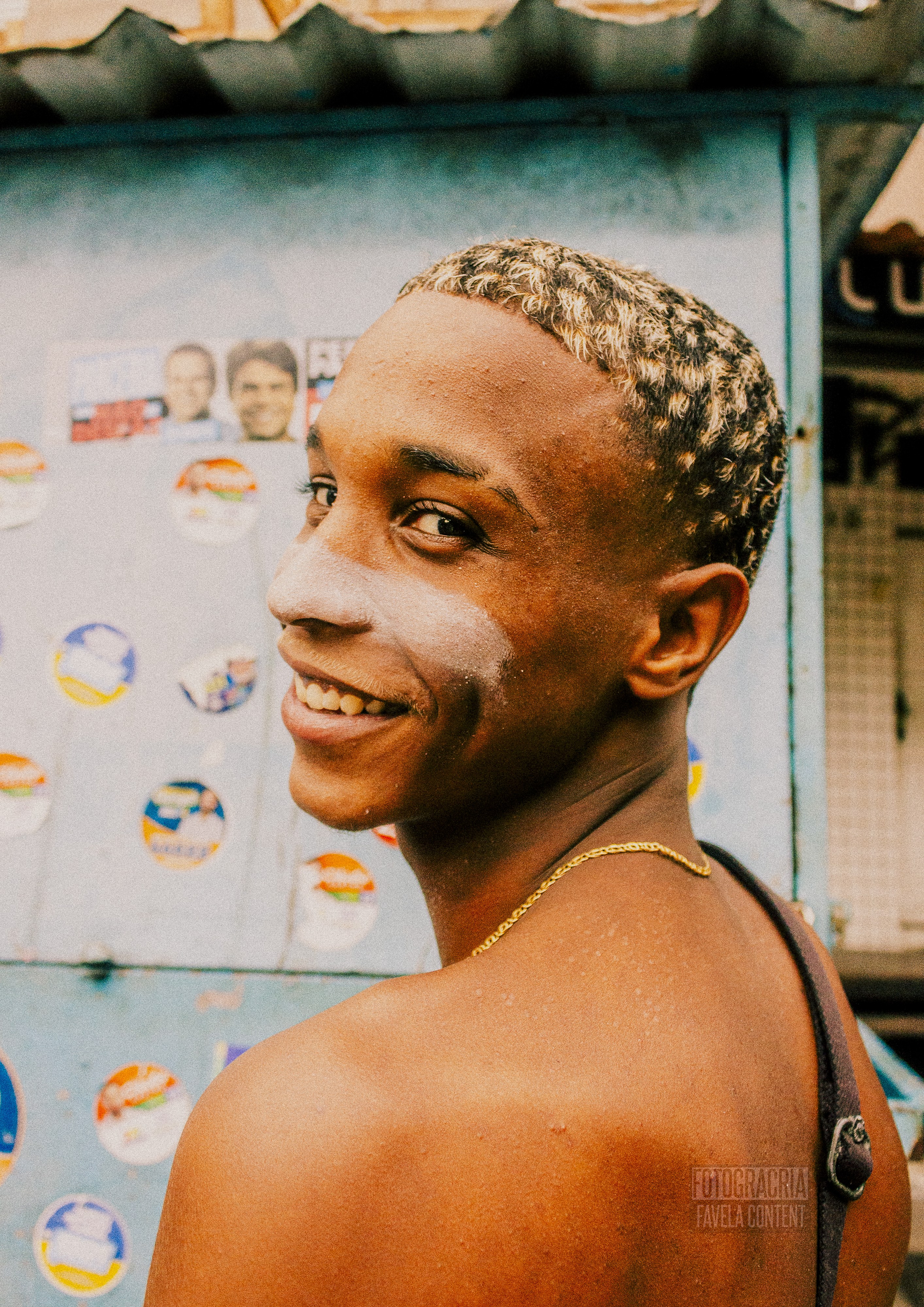
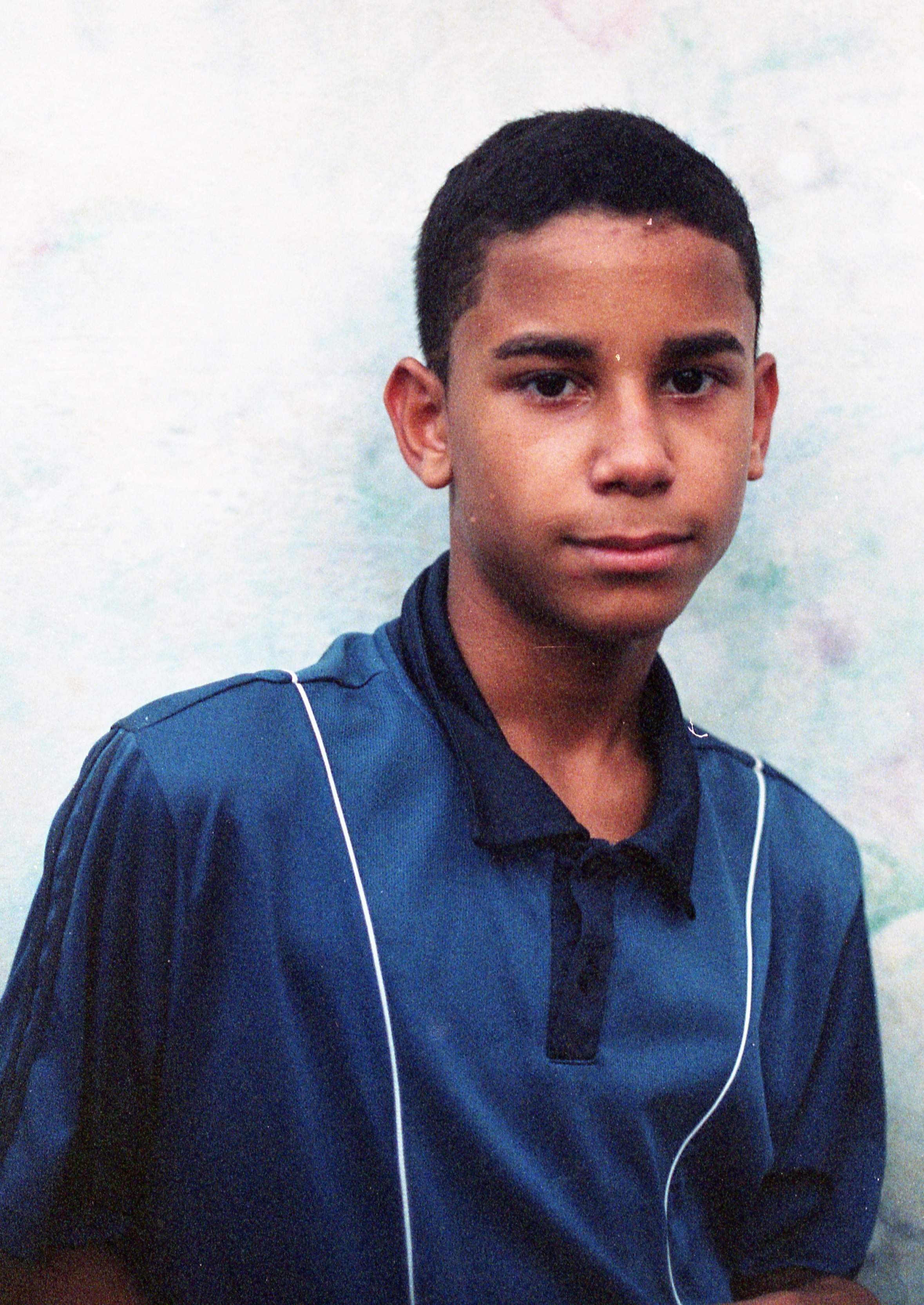
Bruno smiling at Largo da Roupa Suja before heading to the beach, a few minutes from Rocinha. Bruno was one of the first photographers the author knew, and a major reference in her work — for her, and for many young people, especially Rocinha’s bodyboarders, the first people Bruno photographed when he was given a camera on the beach by Oswaldo L. Siqueira.
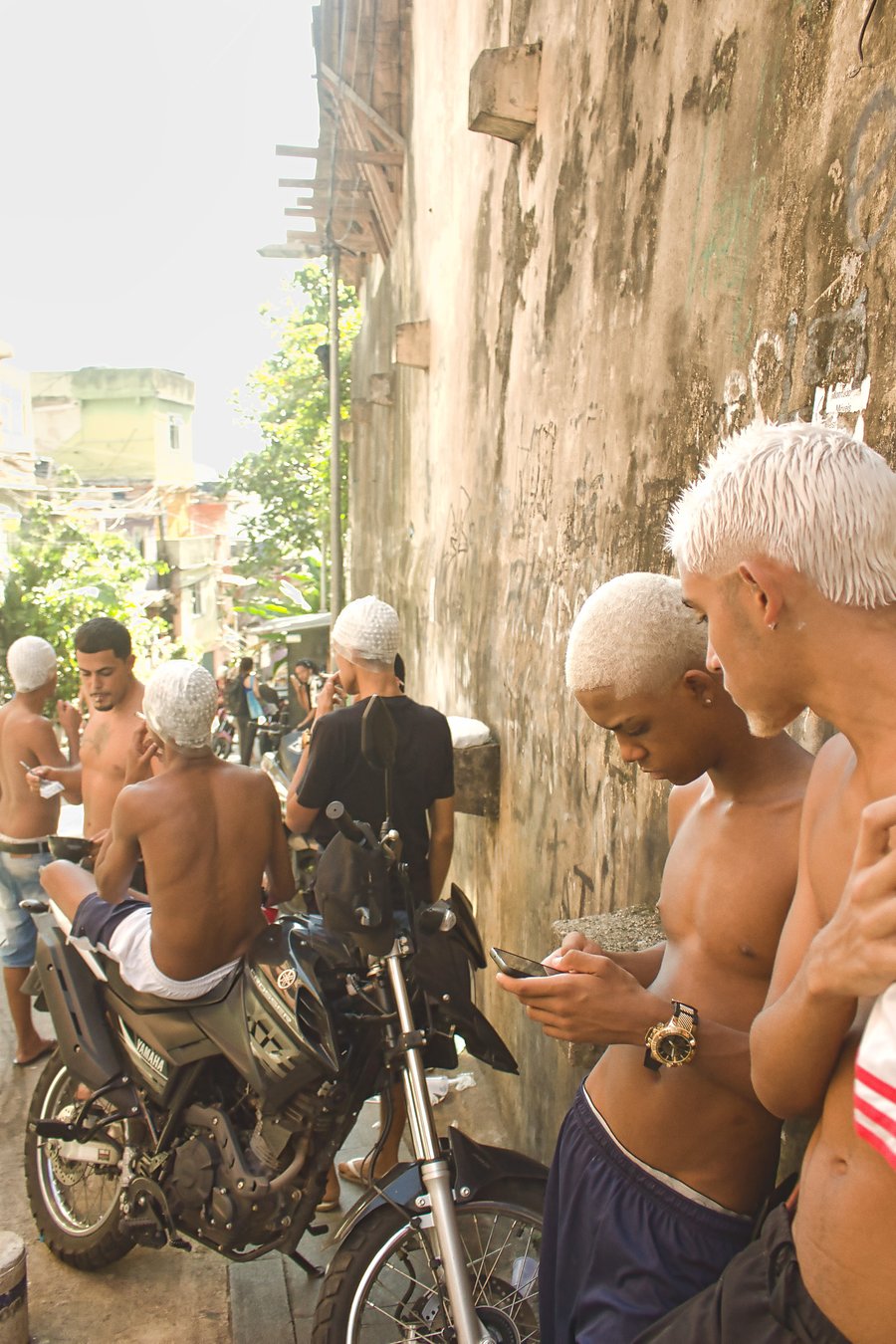
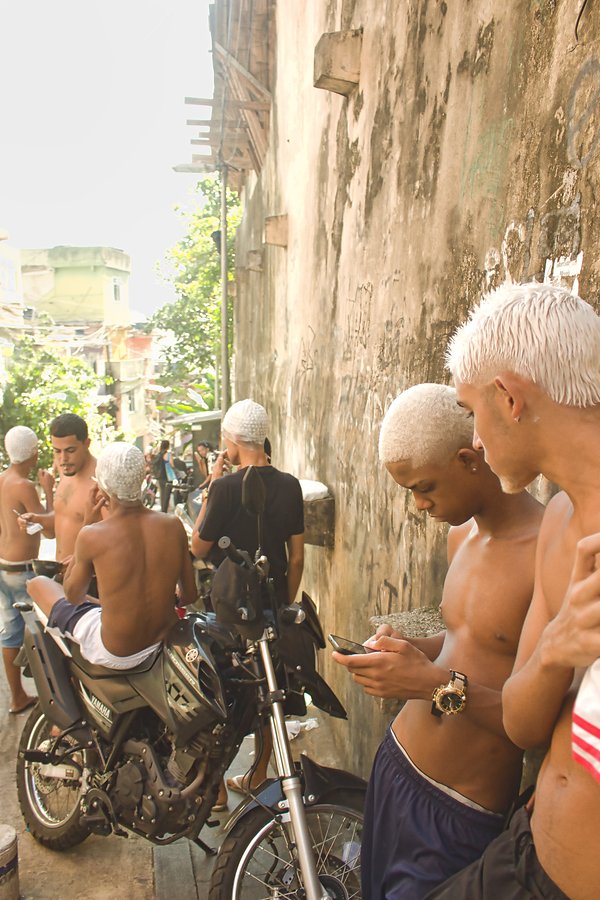
Bleached hair as culture and as ritual: Fotogracria’s research, between the barber’s and Tupi cosmology.
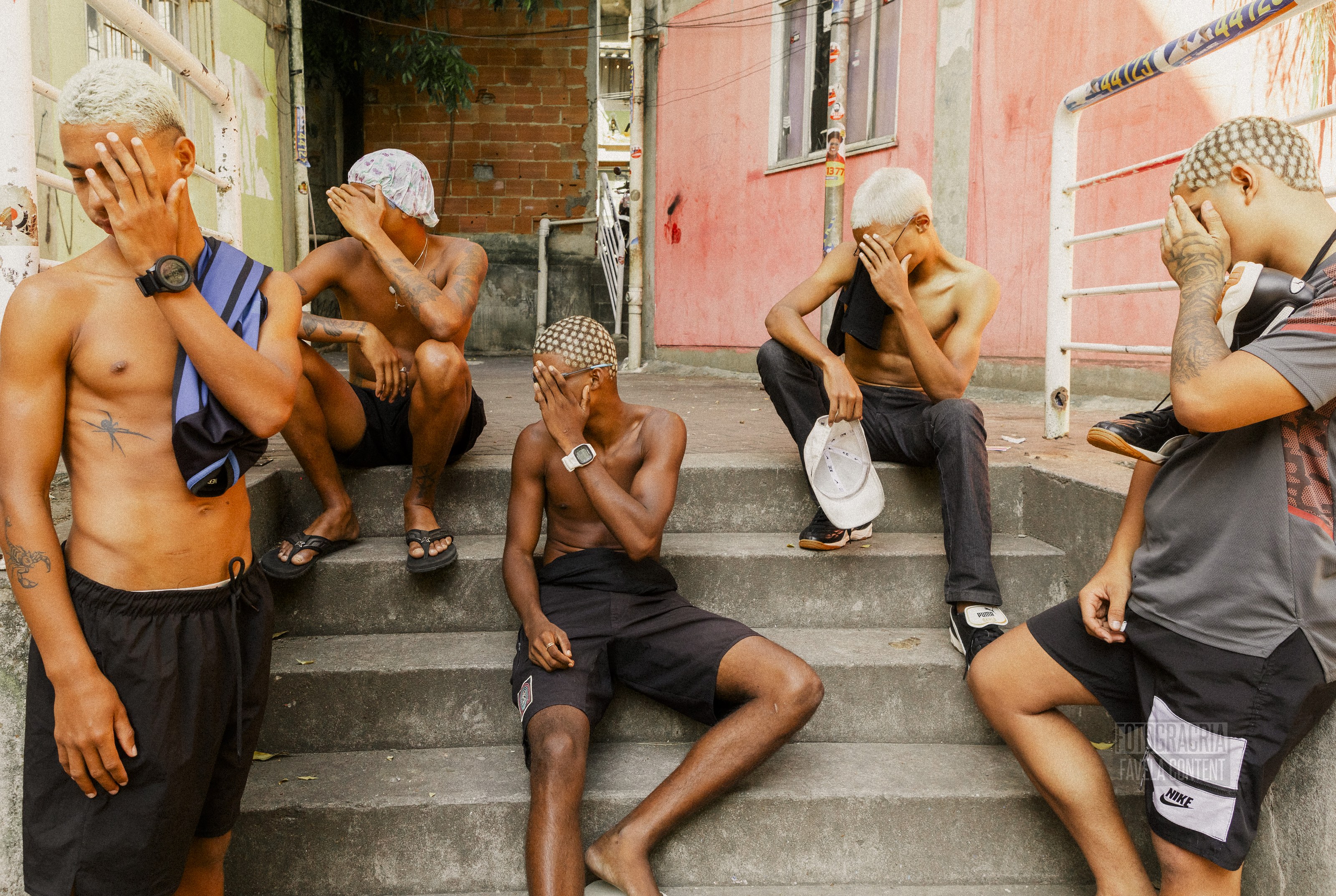
Bleaching your hair goes beyond looks: it also carries an ancestral reading. The “reflexo”, with its small blond dots made with a salon cap, is for the artist the mark of someone touched by Guaraci, the Sun. The “nevou”, hair bleached completely, is the mark of someone touched by Jaci, the Moon.
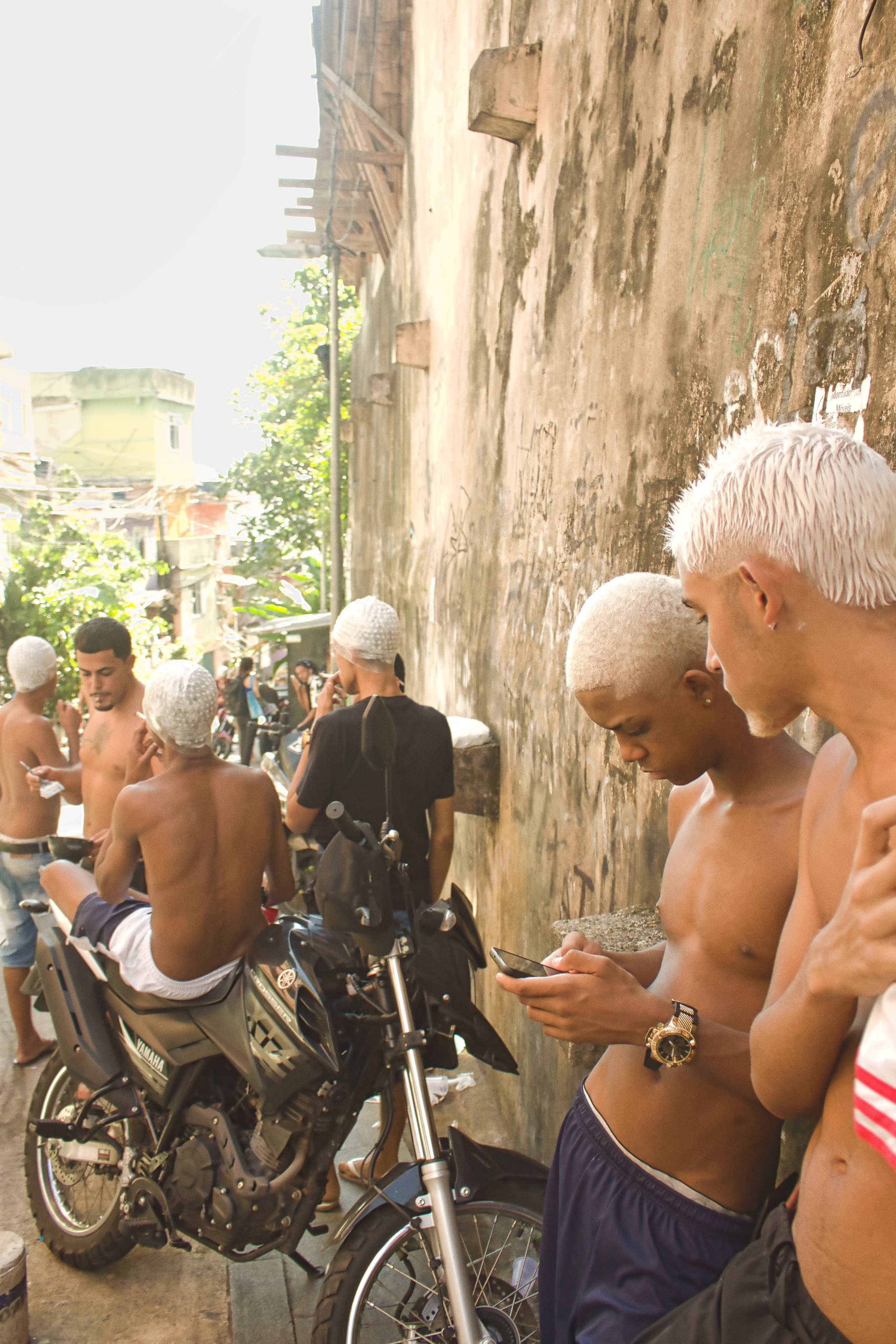
The artist and hairdresser Piu (@mdo.sheik) launching the “nevou” (bleaching hair until it is completely white) and the “reflexo” (bleaching small tufts with the help of a cap) outside the Salão dos Crias, the salon where he works every day with four friends, including FB, cutting the hair of local residents.
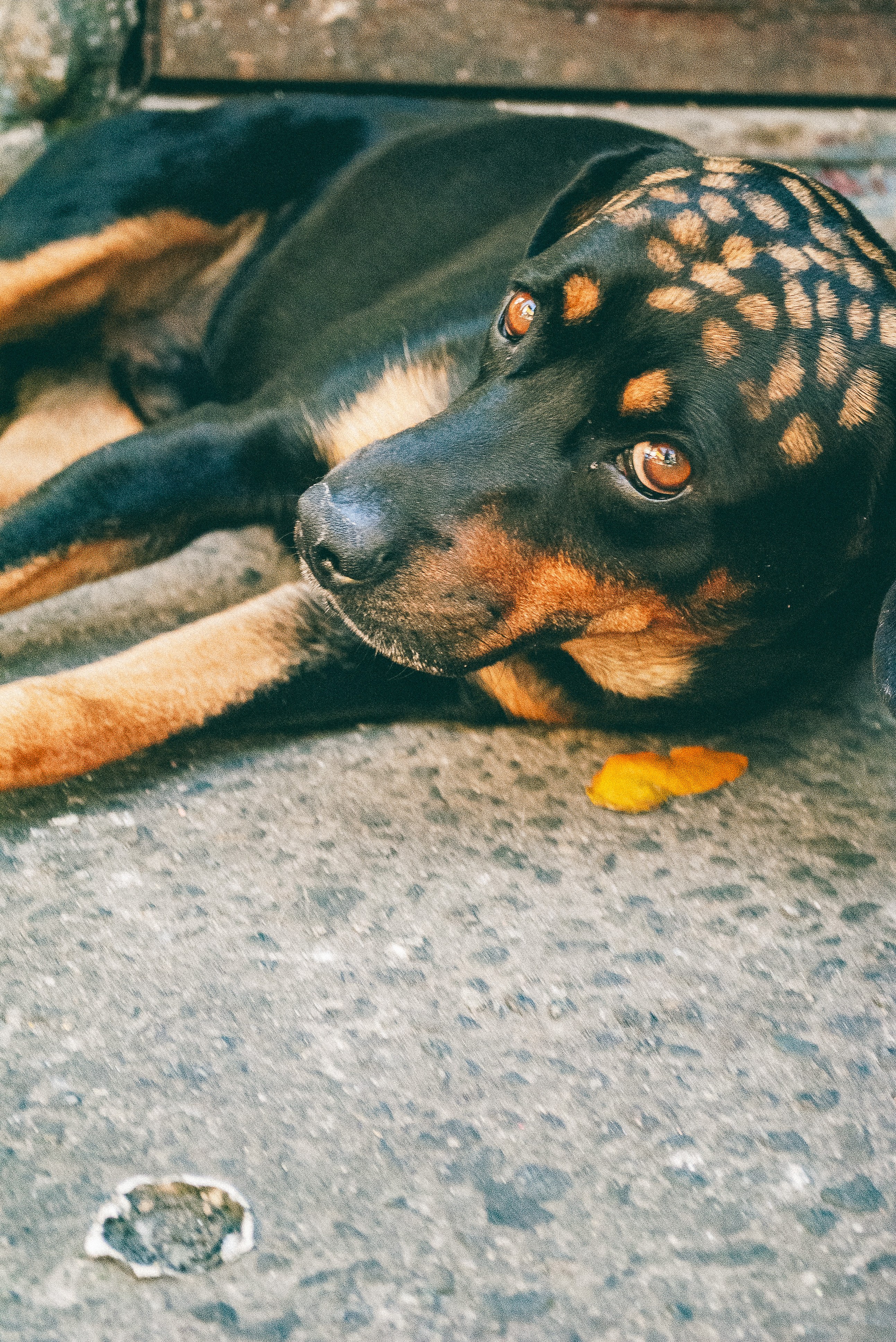
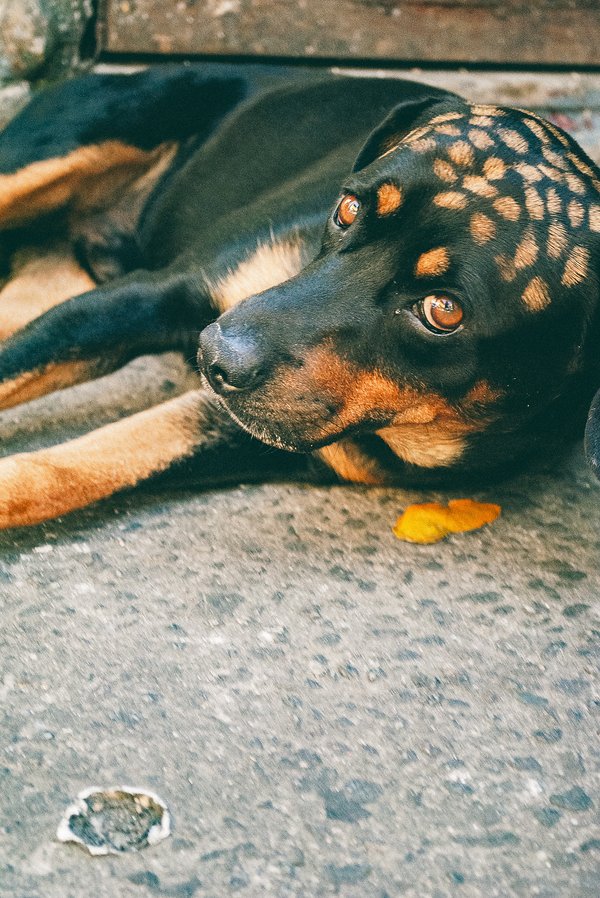
The most cria dog on the hill, known as “Negão”, with a look all his own — reflexo — resting in an alley on Rua 4.
Un-erasing: Rocinha’s Indigenous memory, and the kurumins, the children, as its future.
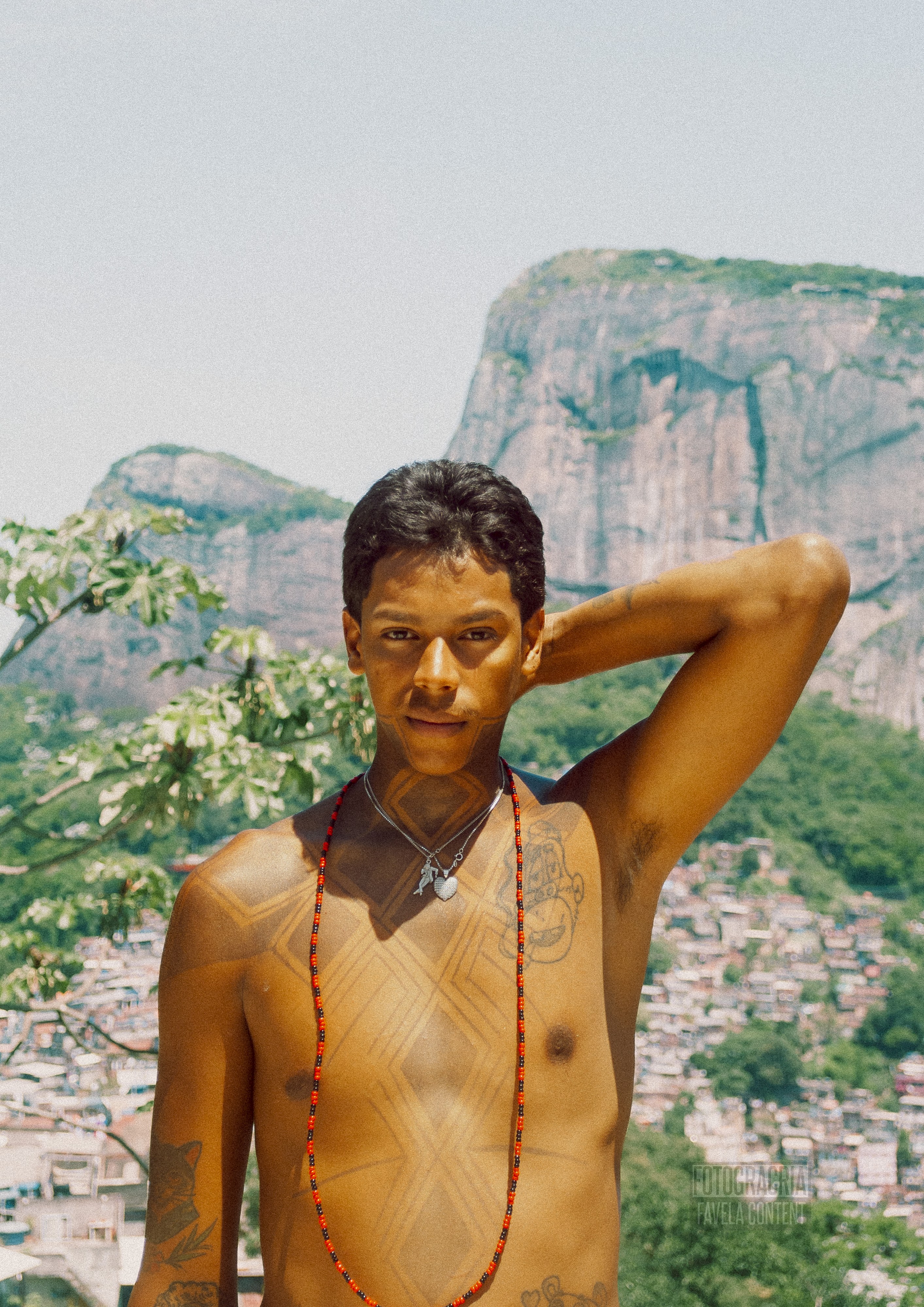
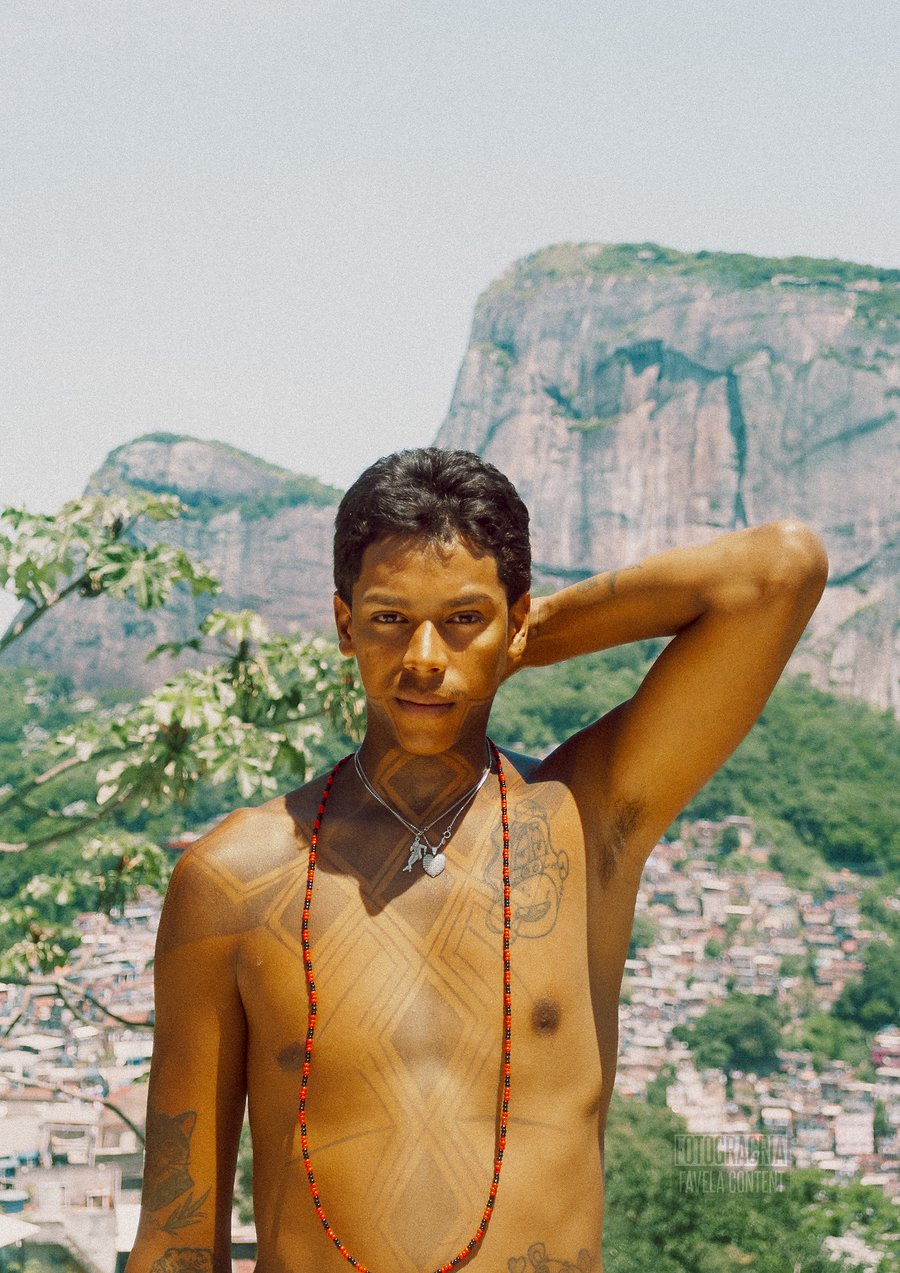
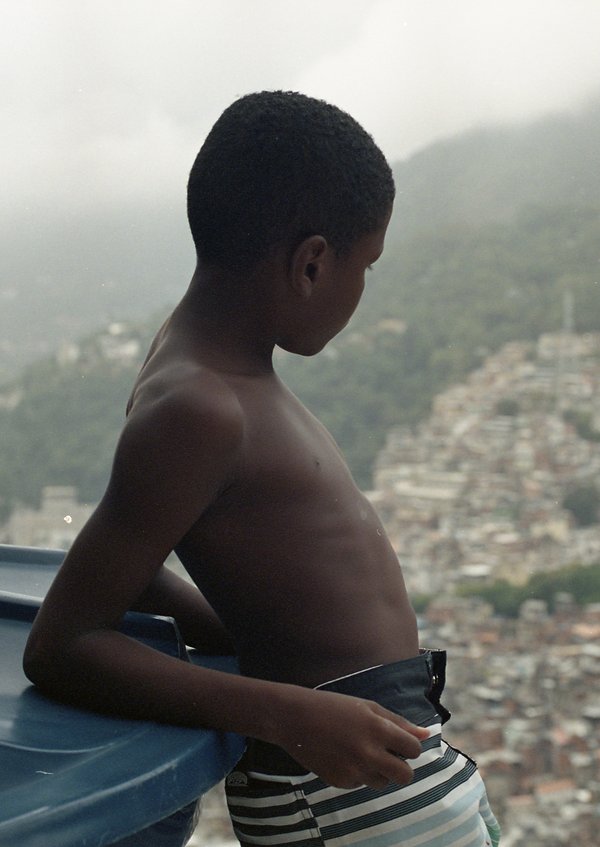
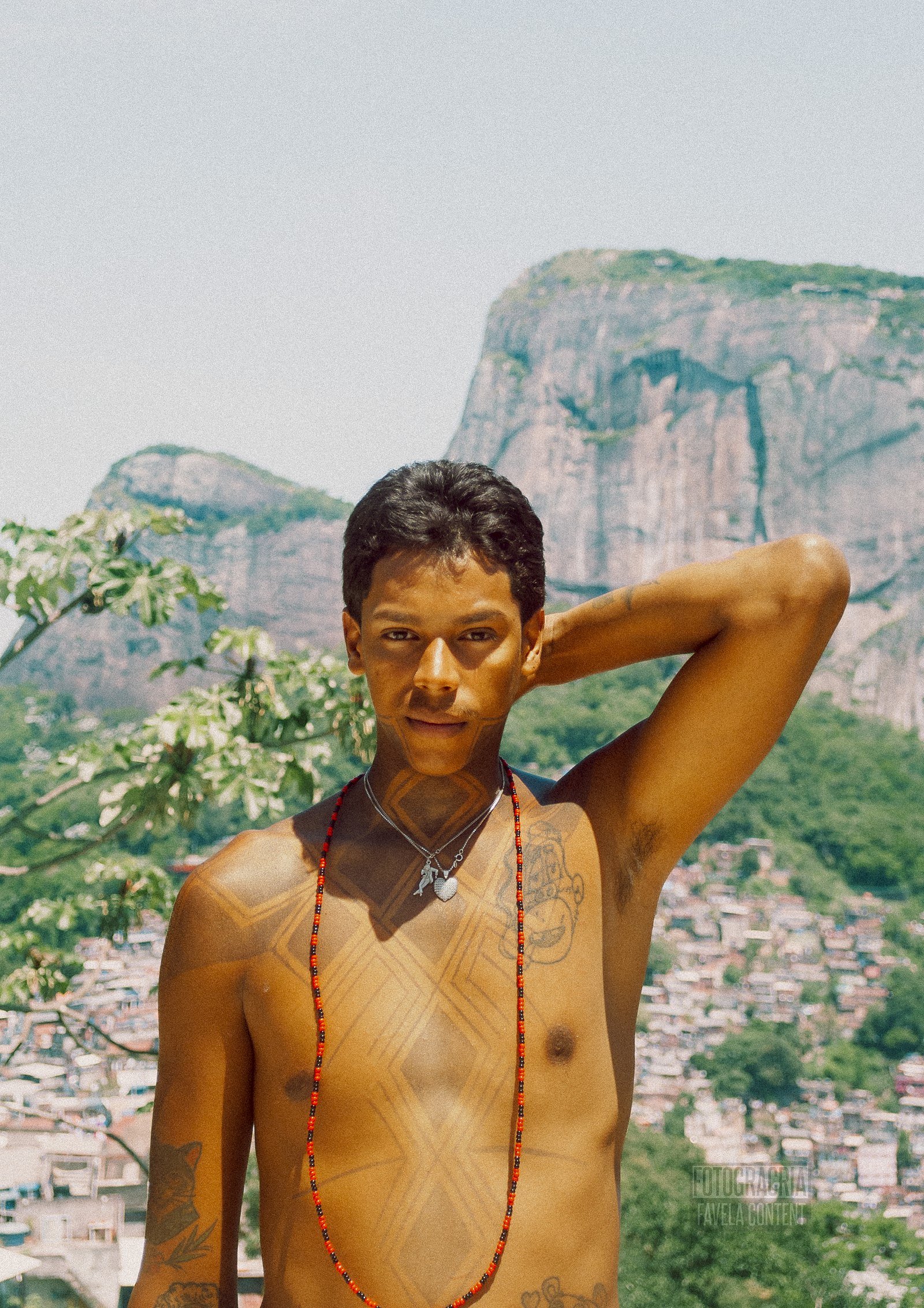
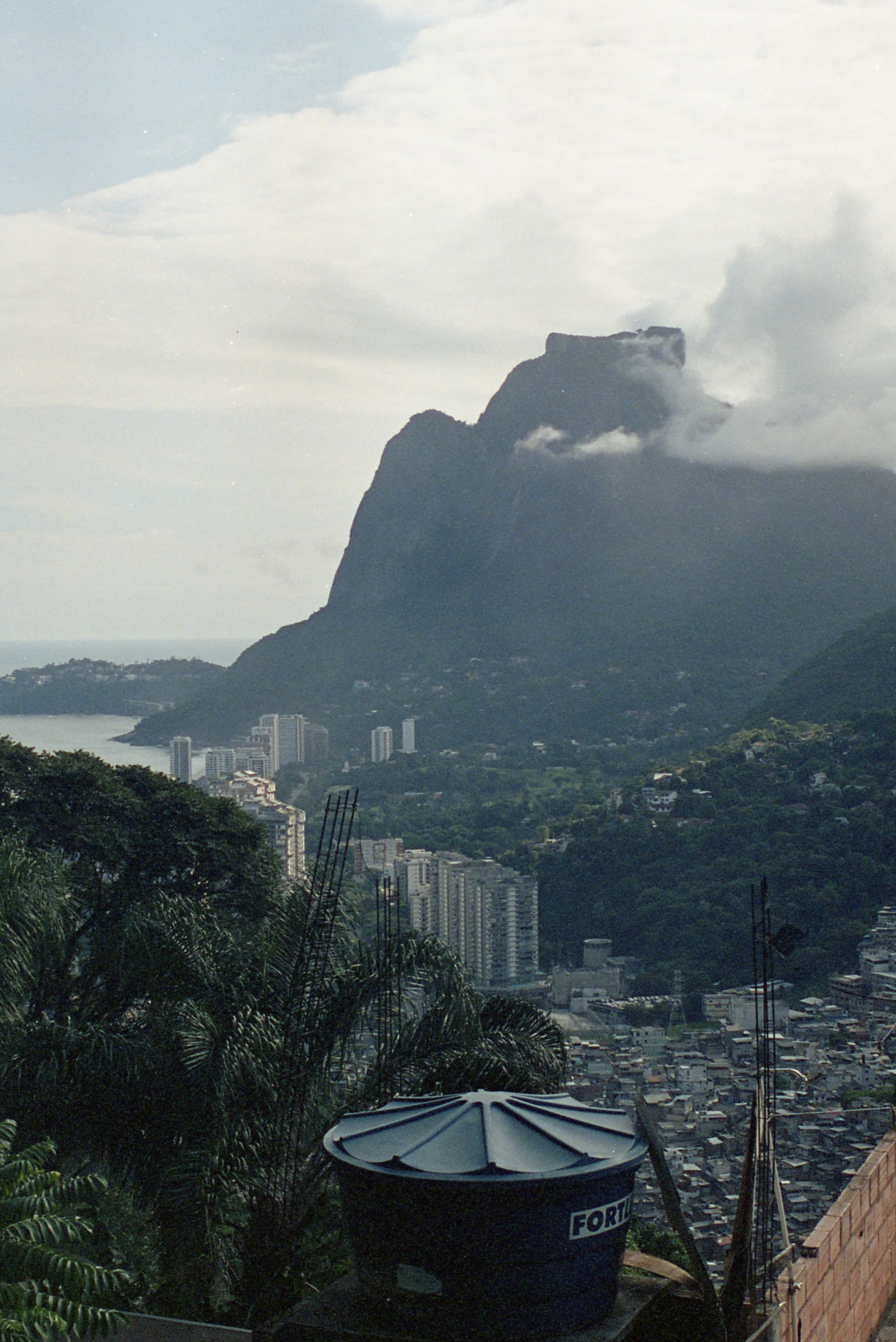
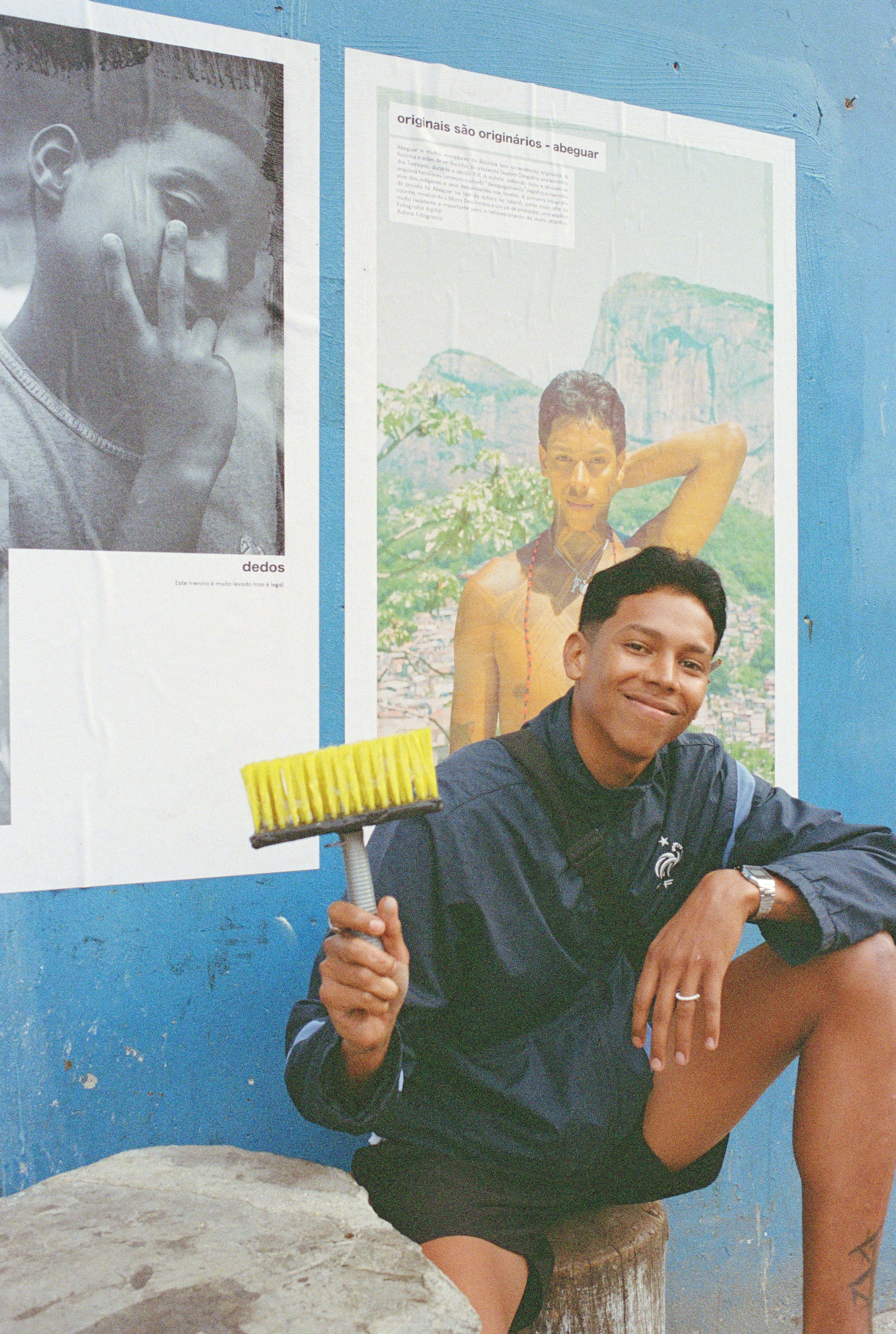
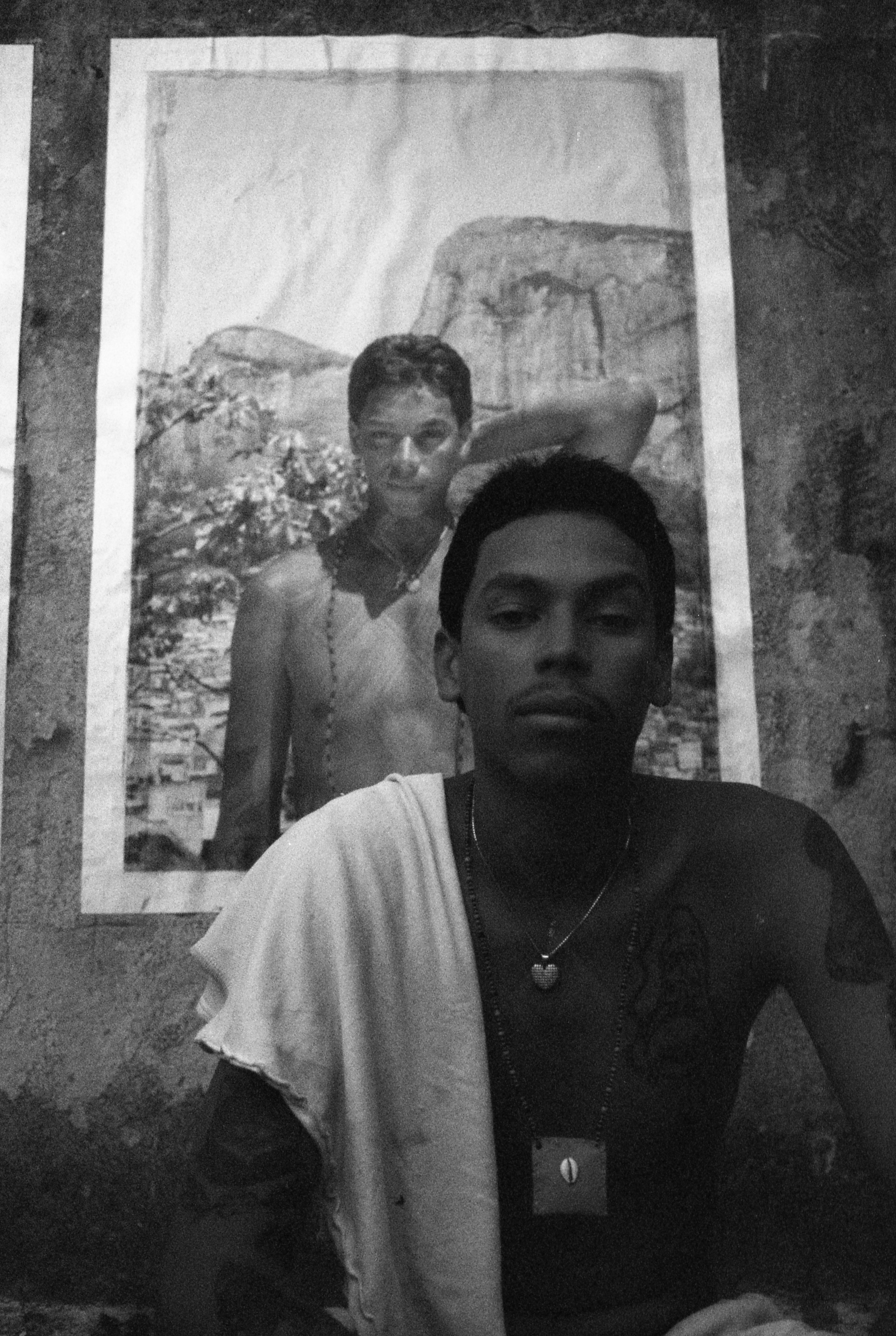
Abeguar, like many Rocinha residents, has Indigenous ancestry. Before it was Rocinha — or the Quebra Cangalha farm — this was Tamoio land, in the sixteenth century. Knowing this, and drawing on her family archives, the author began the “desapagamento” (un-erasing) project, which records the living memory of Indigenous people and their descendants in the favelas. The first photo of the project: Abeguar on the author’s laje in Laboriô, the highest part of Rocinha, with Morro Dois Irmãos and an embaúba, a very hardy species that matters for the regrowth of the Atlantic Forest.
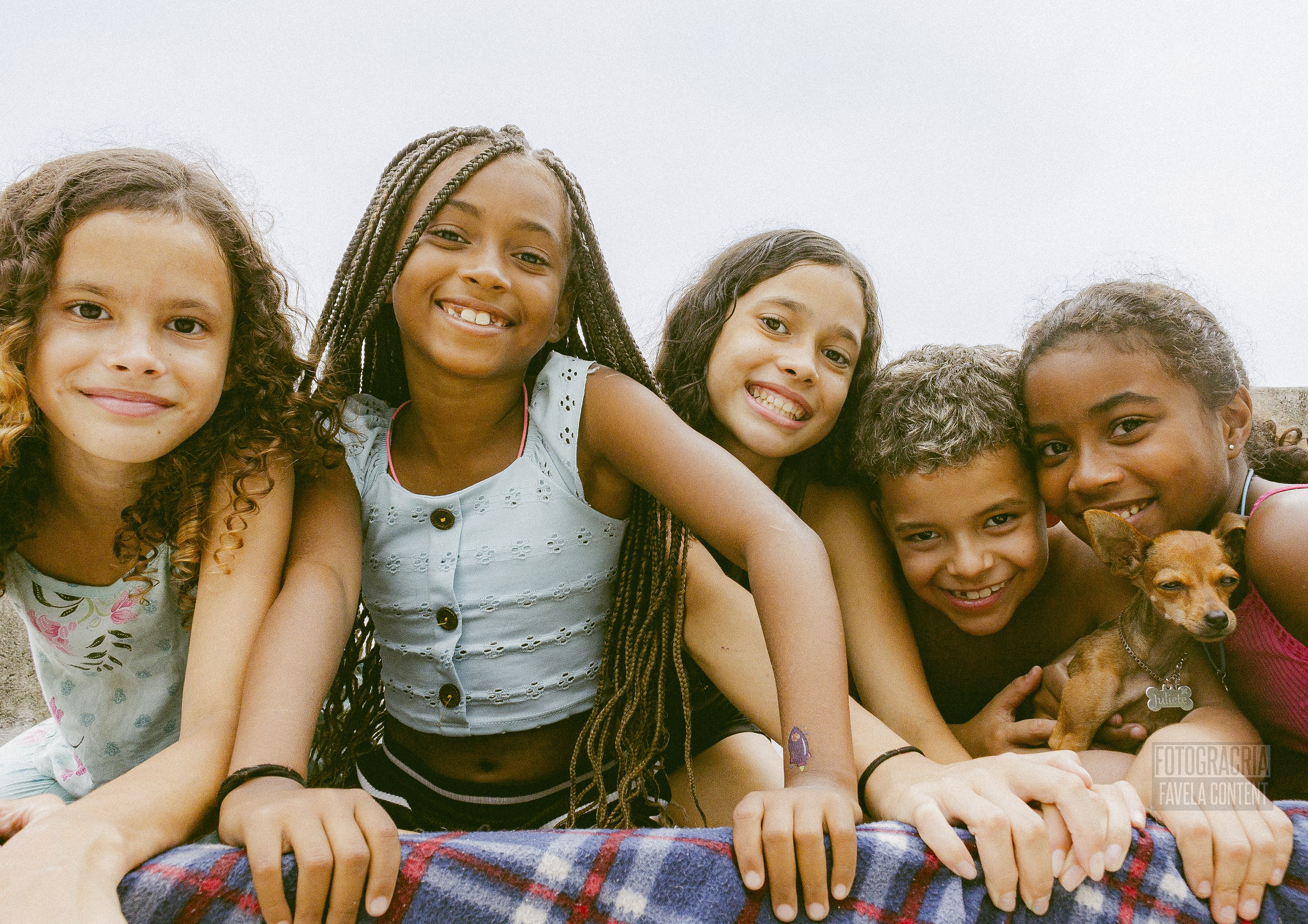
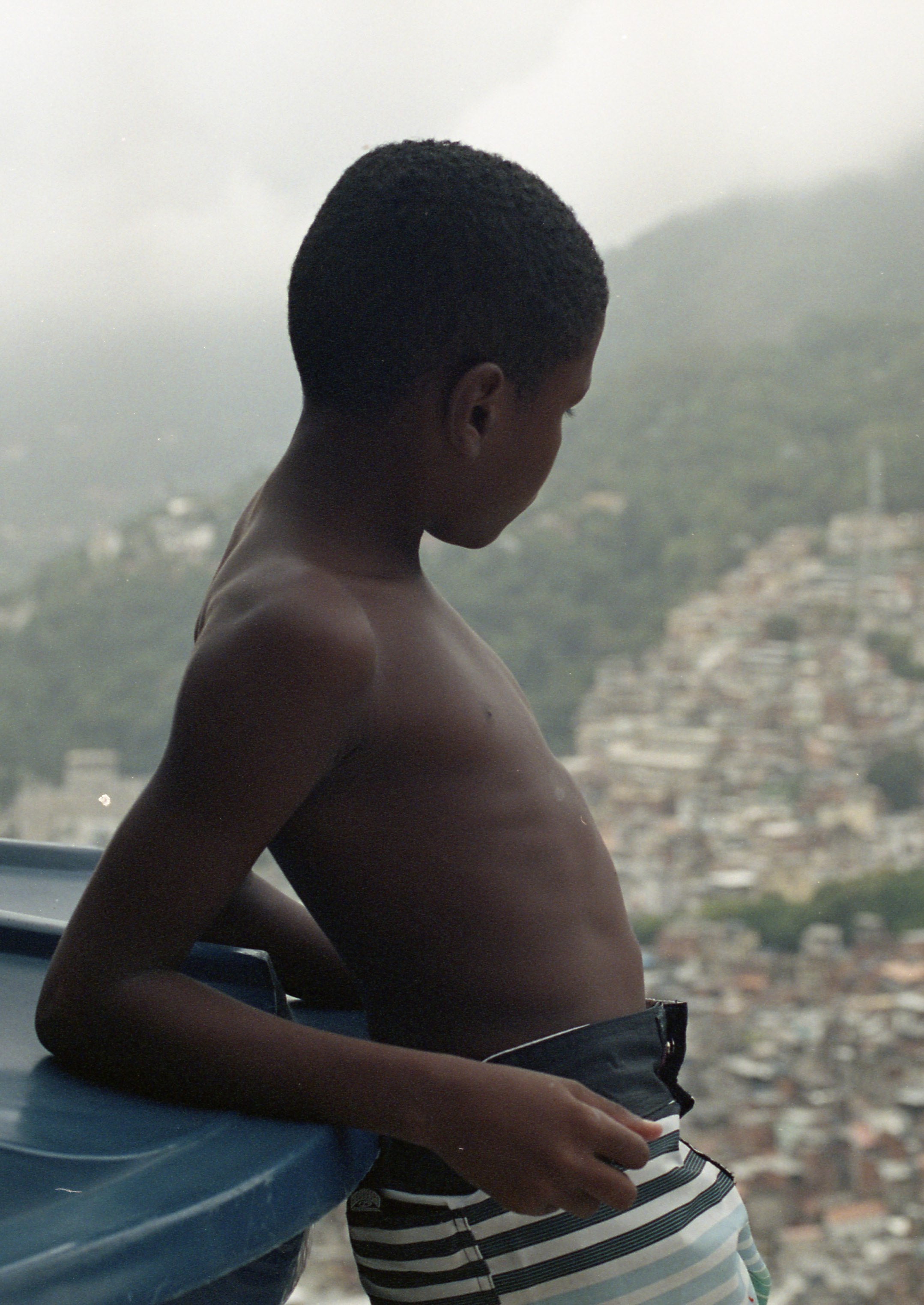
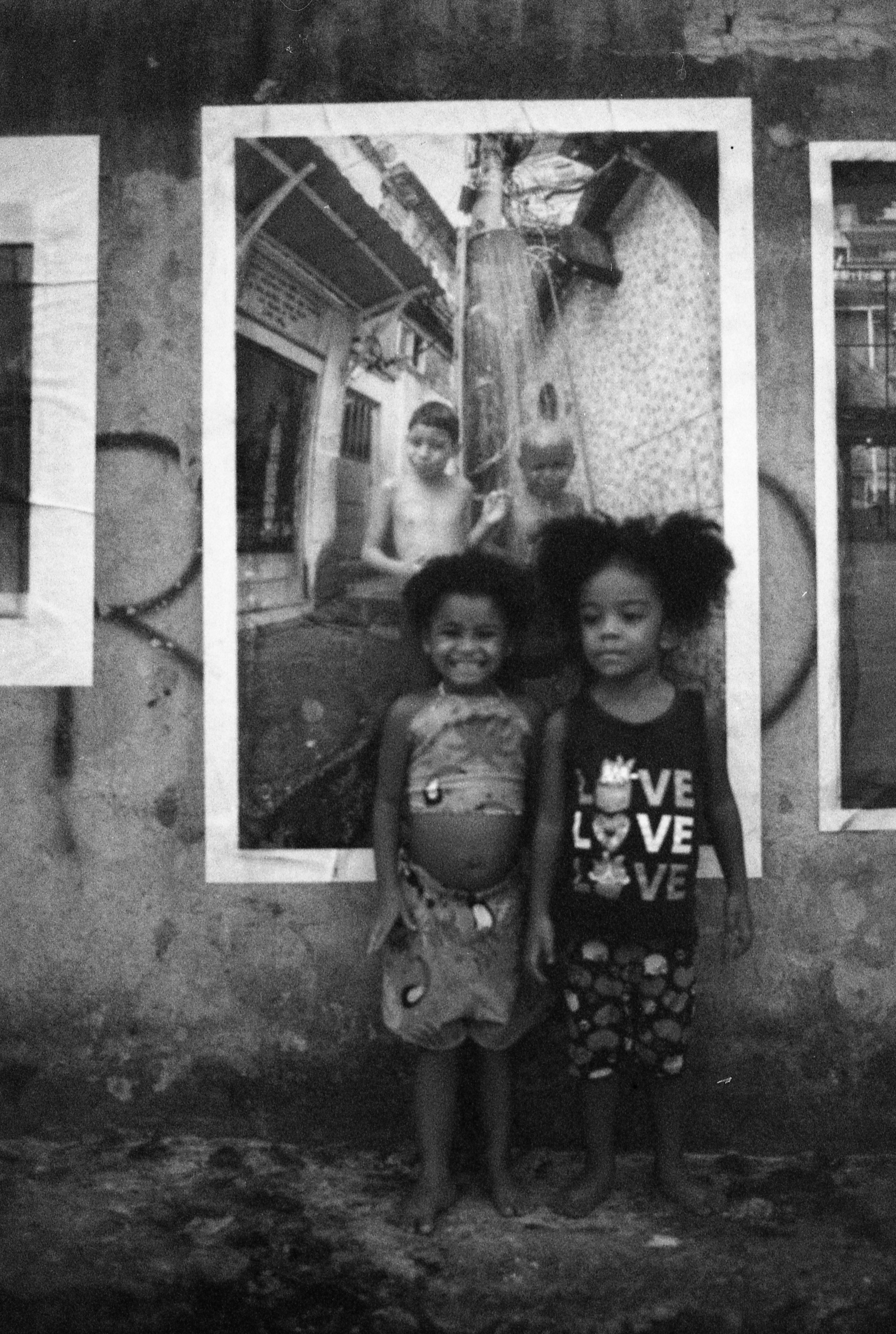
Children playing on a laje in Dionéia, in winter. In Tupi, “kurumin” or “kurumí” means “boy” or “child”. The author believes the future begins with respect, and with elders passing knowledge on to children.
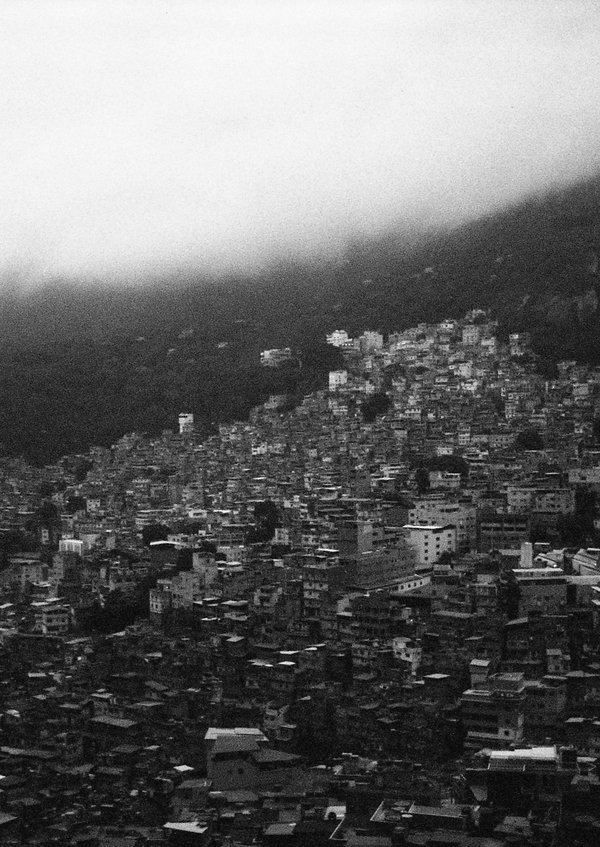
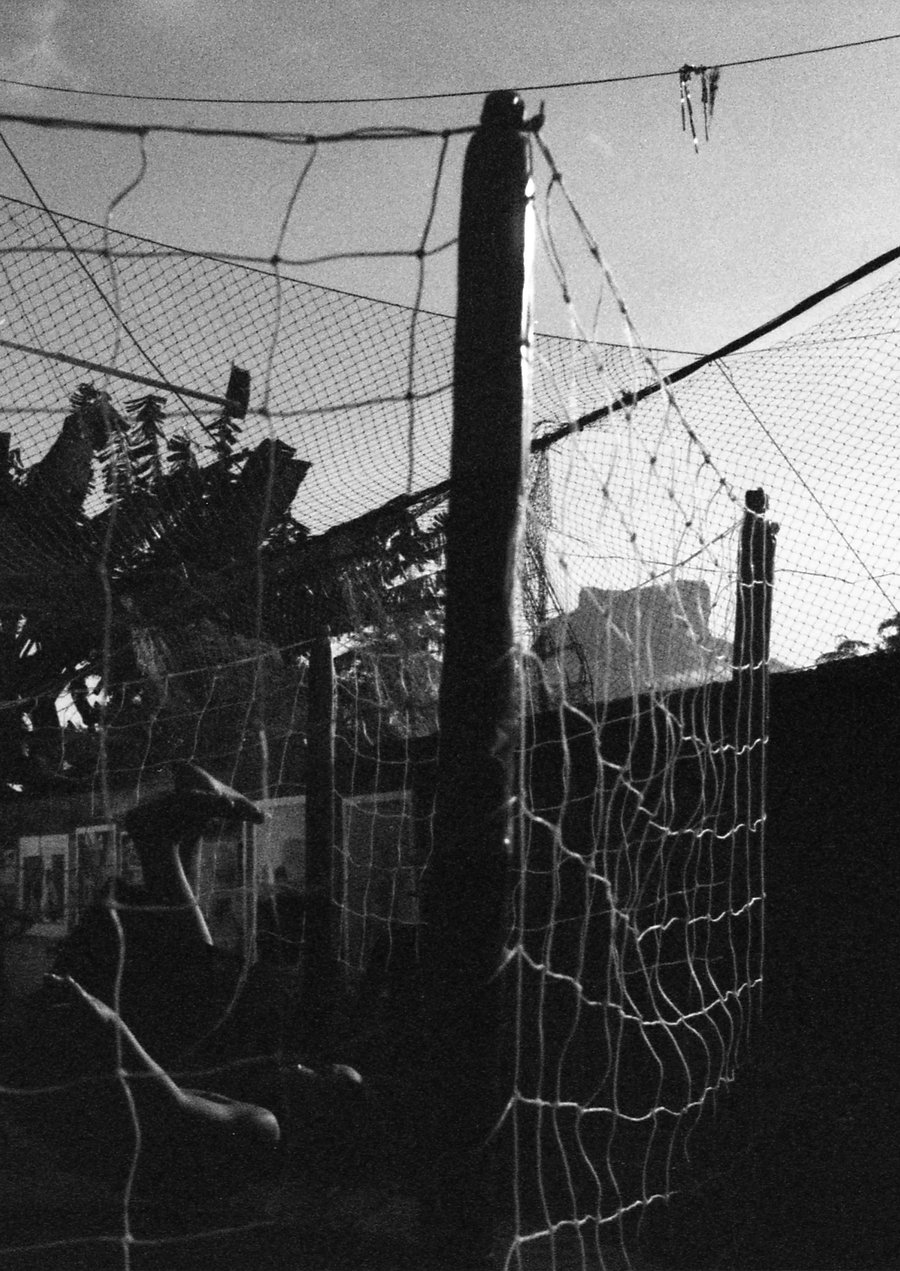
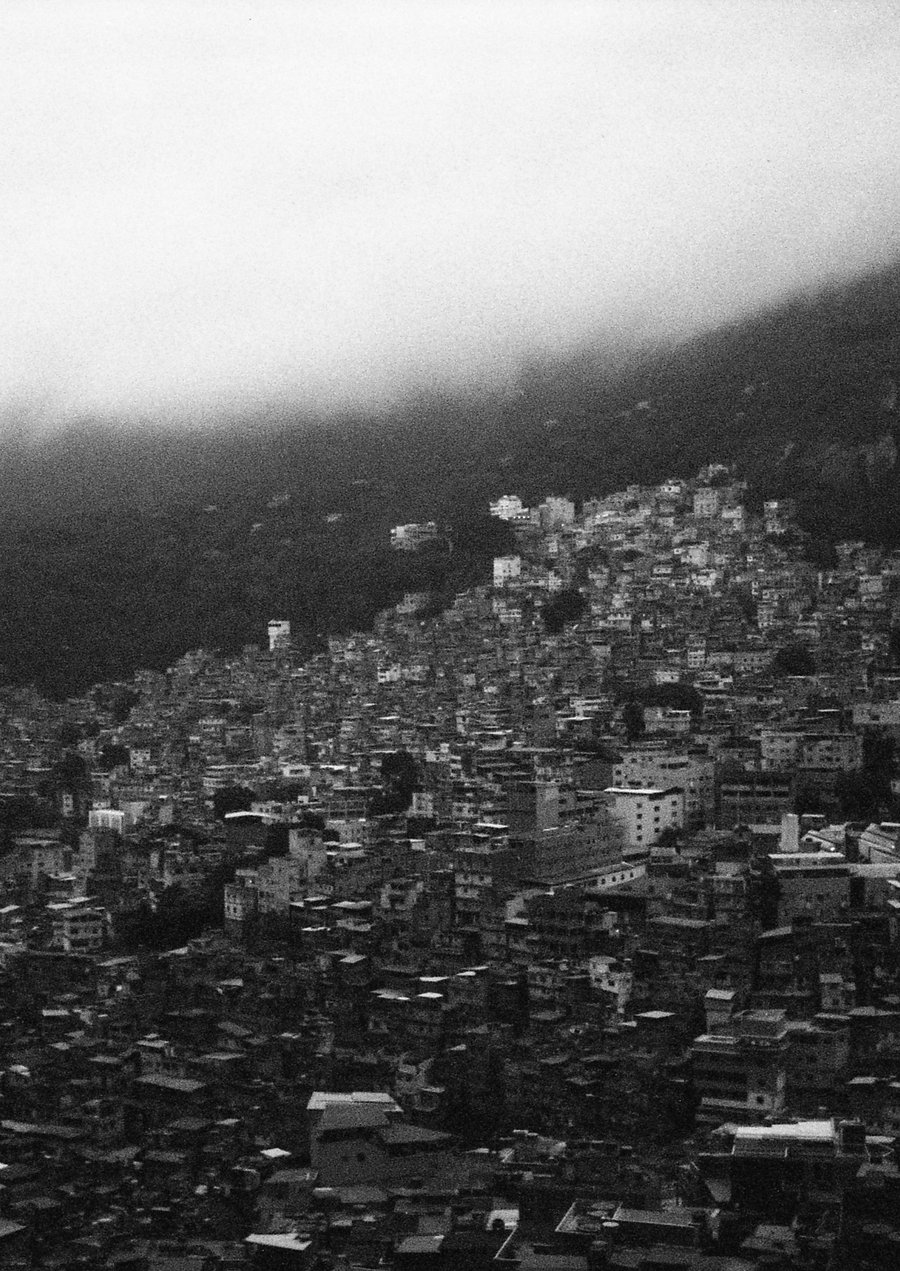
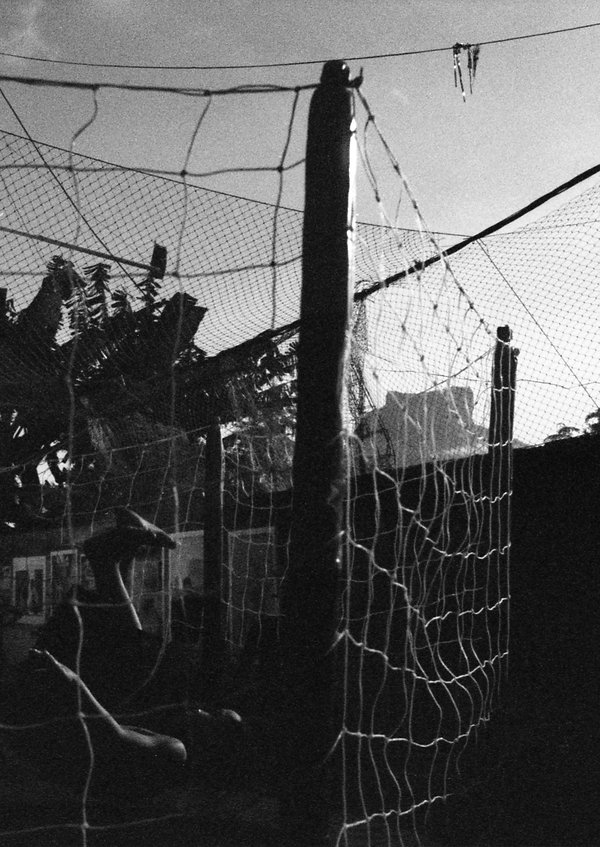
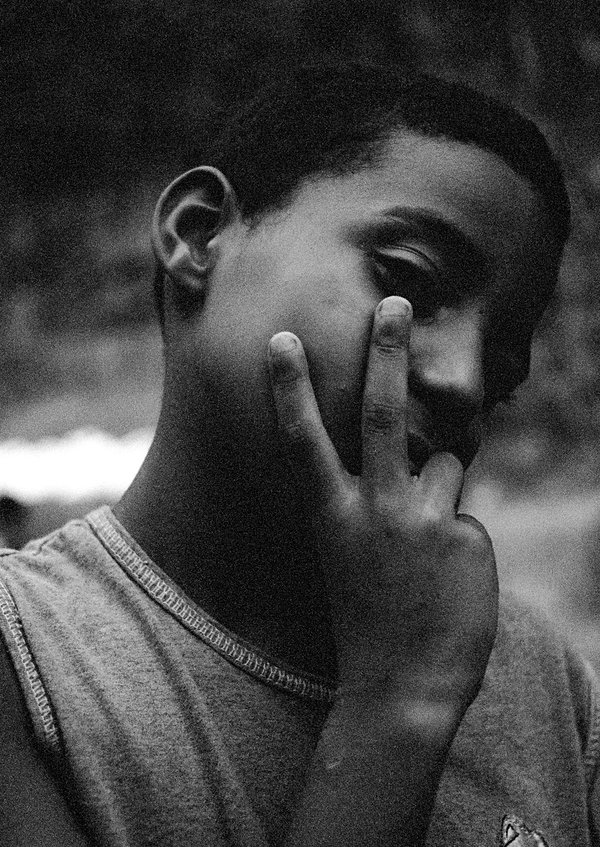
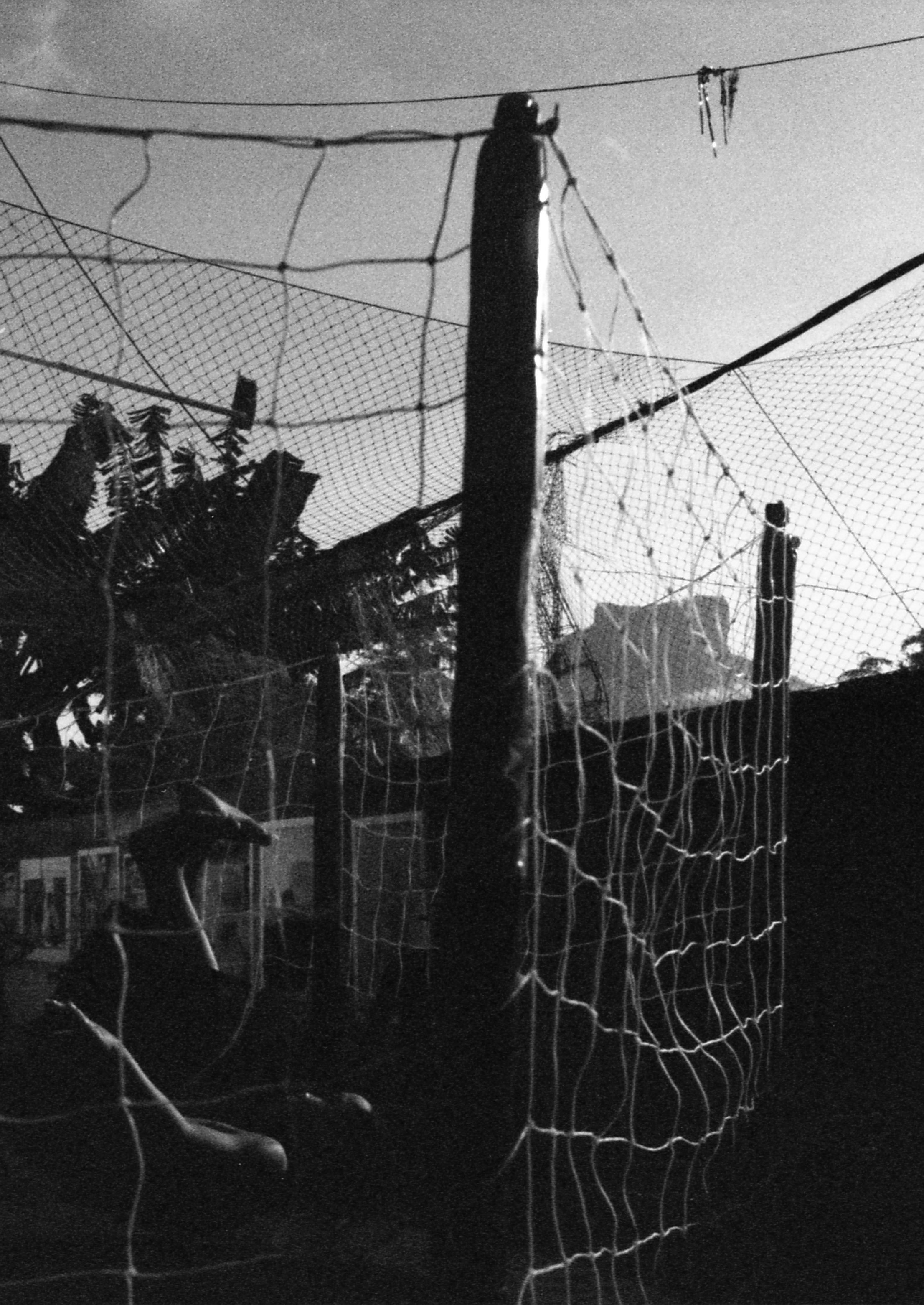
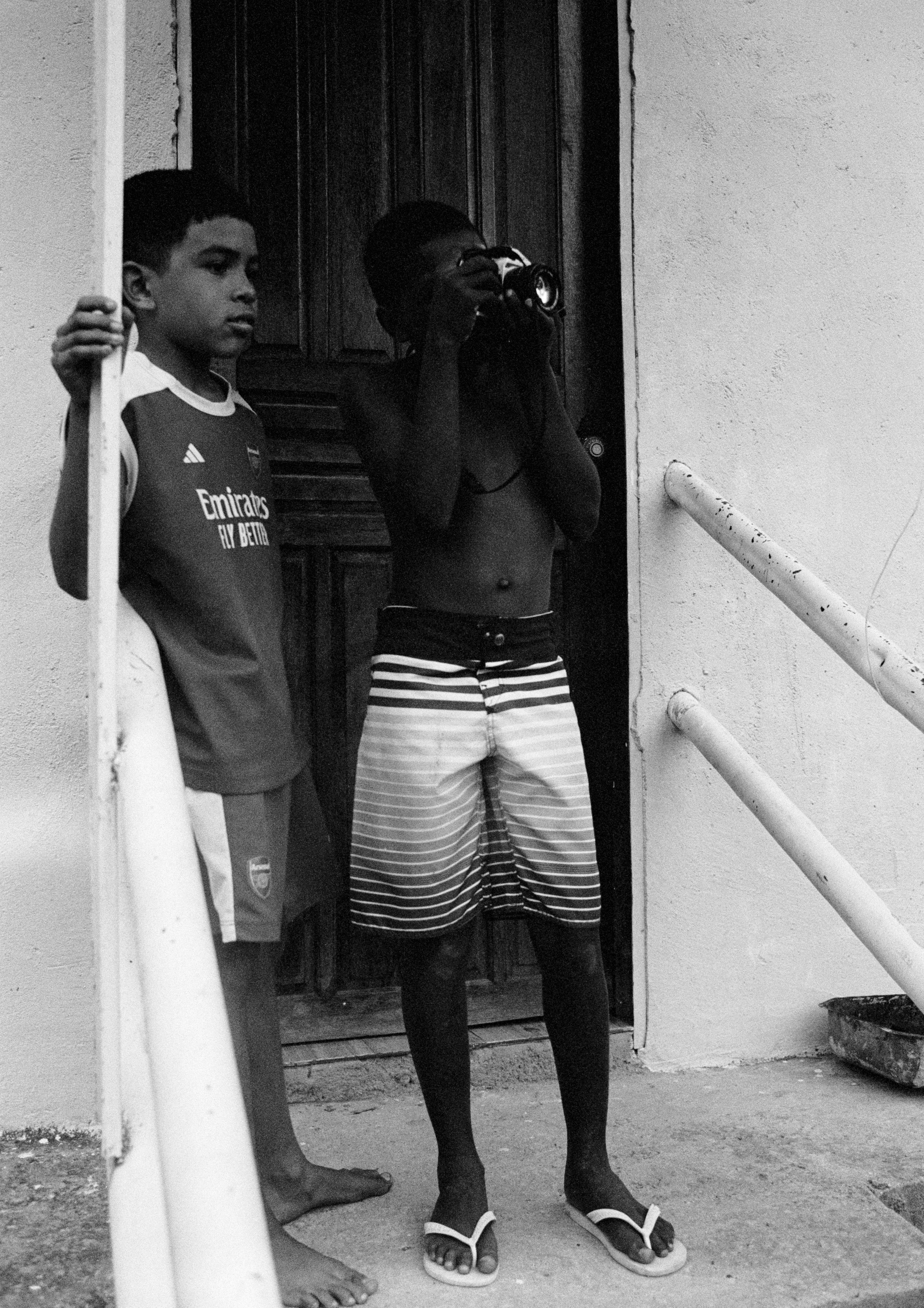
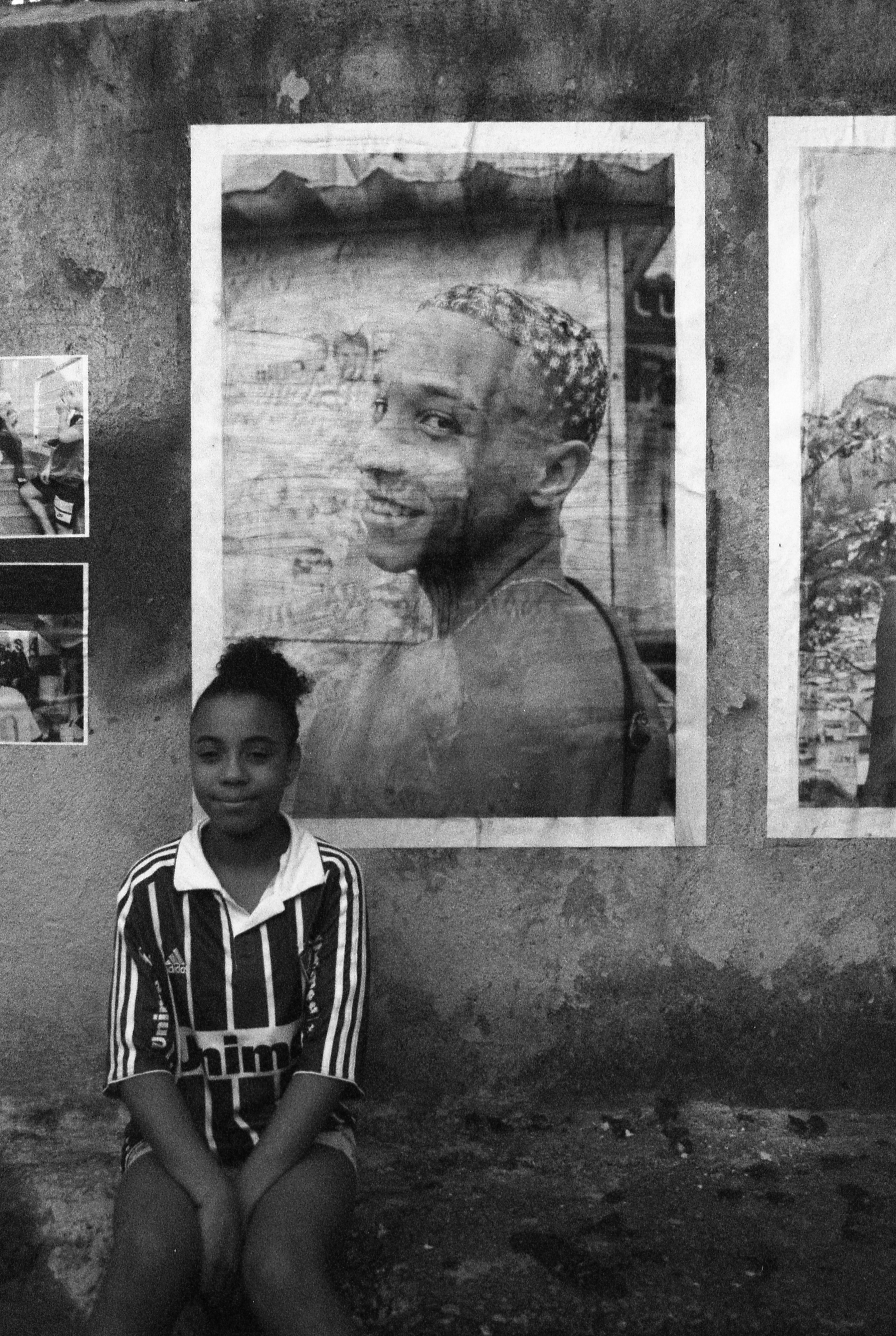
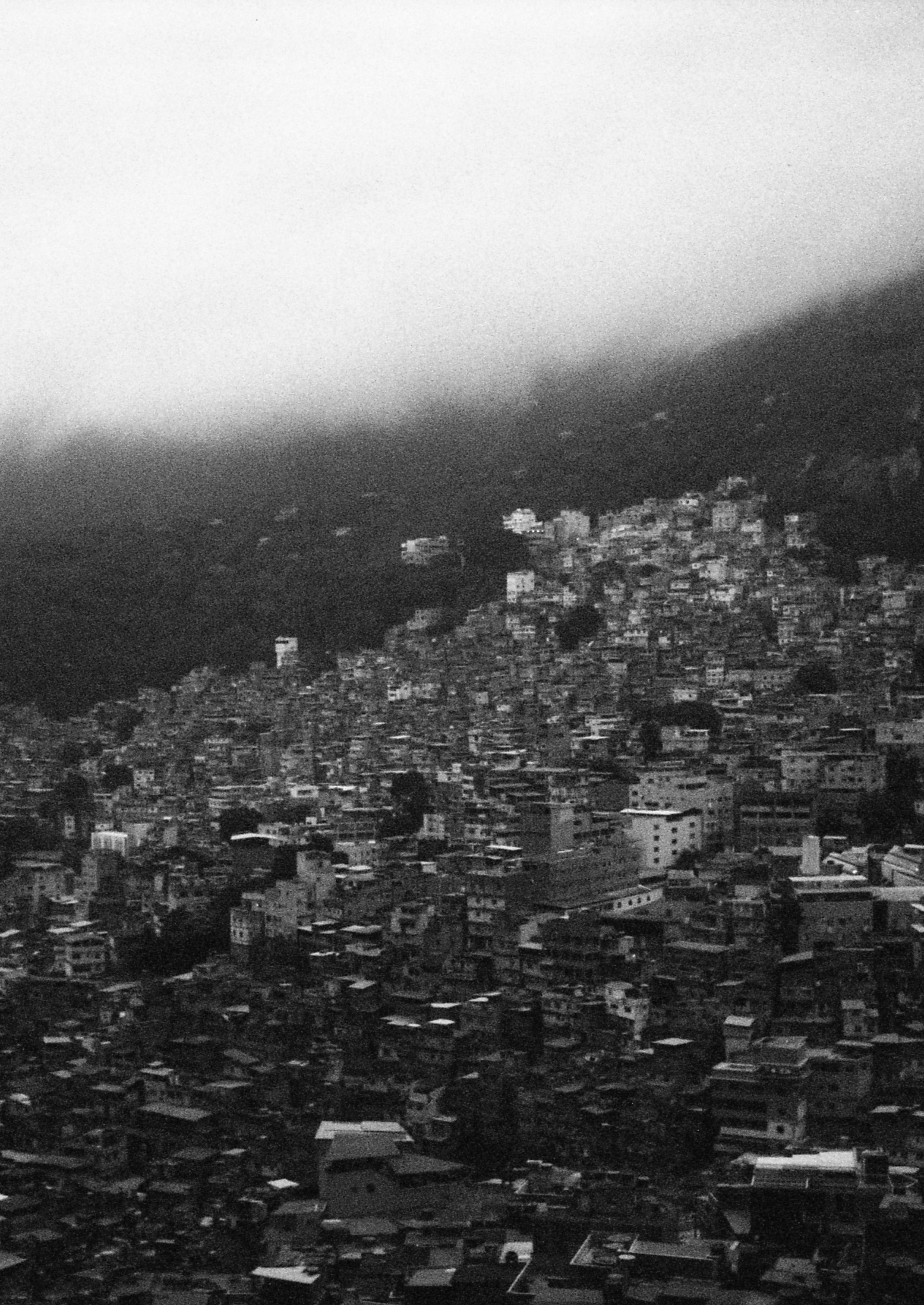
The favela in black and white: the court, the walls, the light falling on the houses.
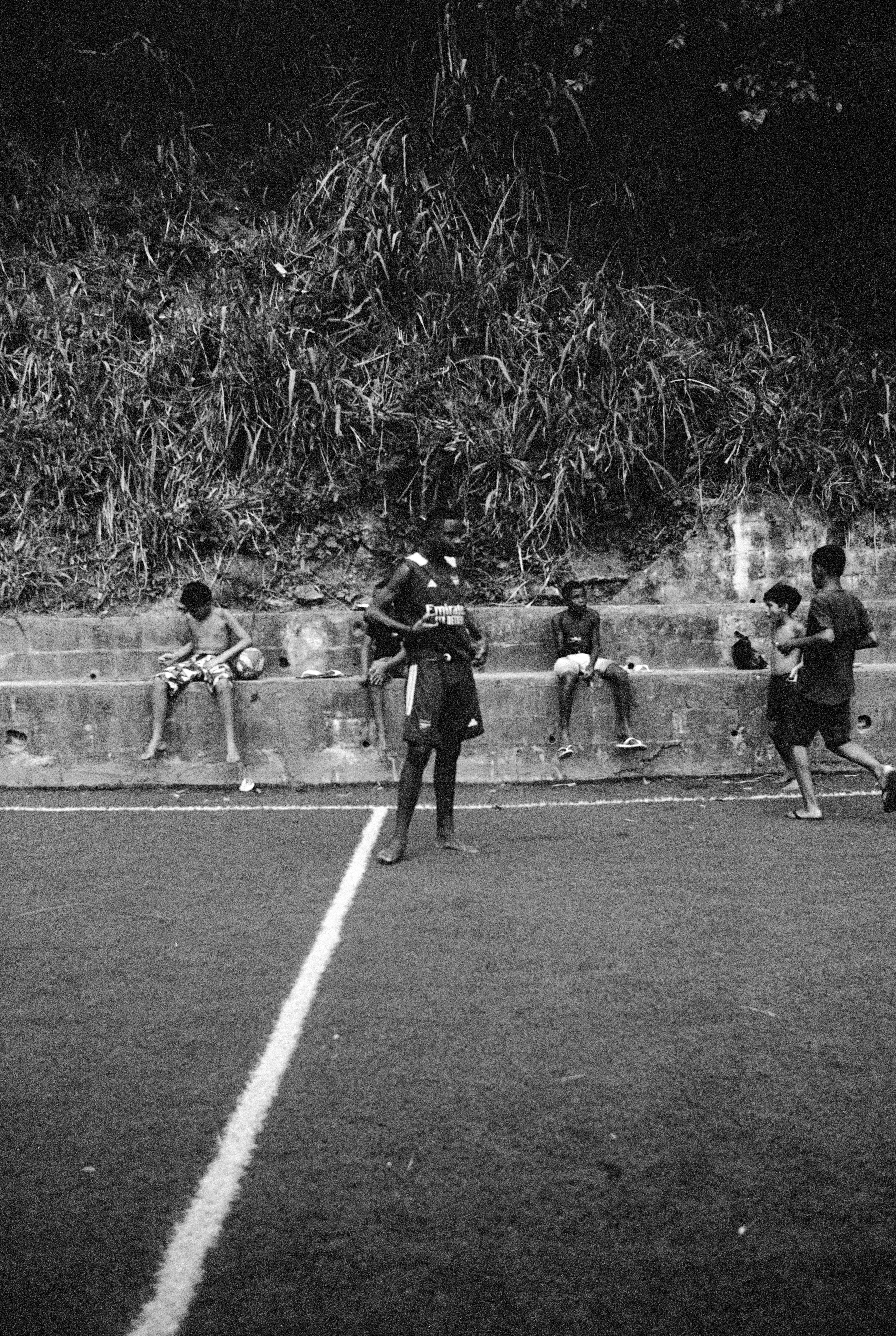
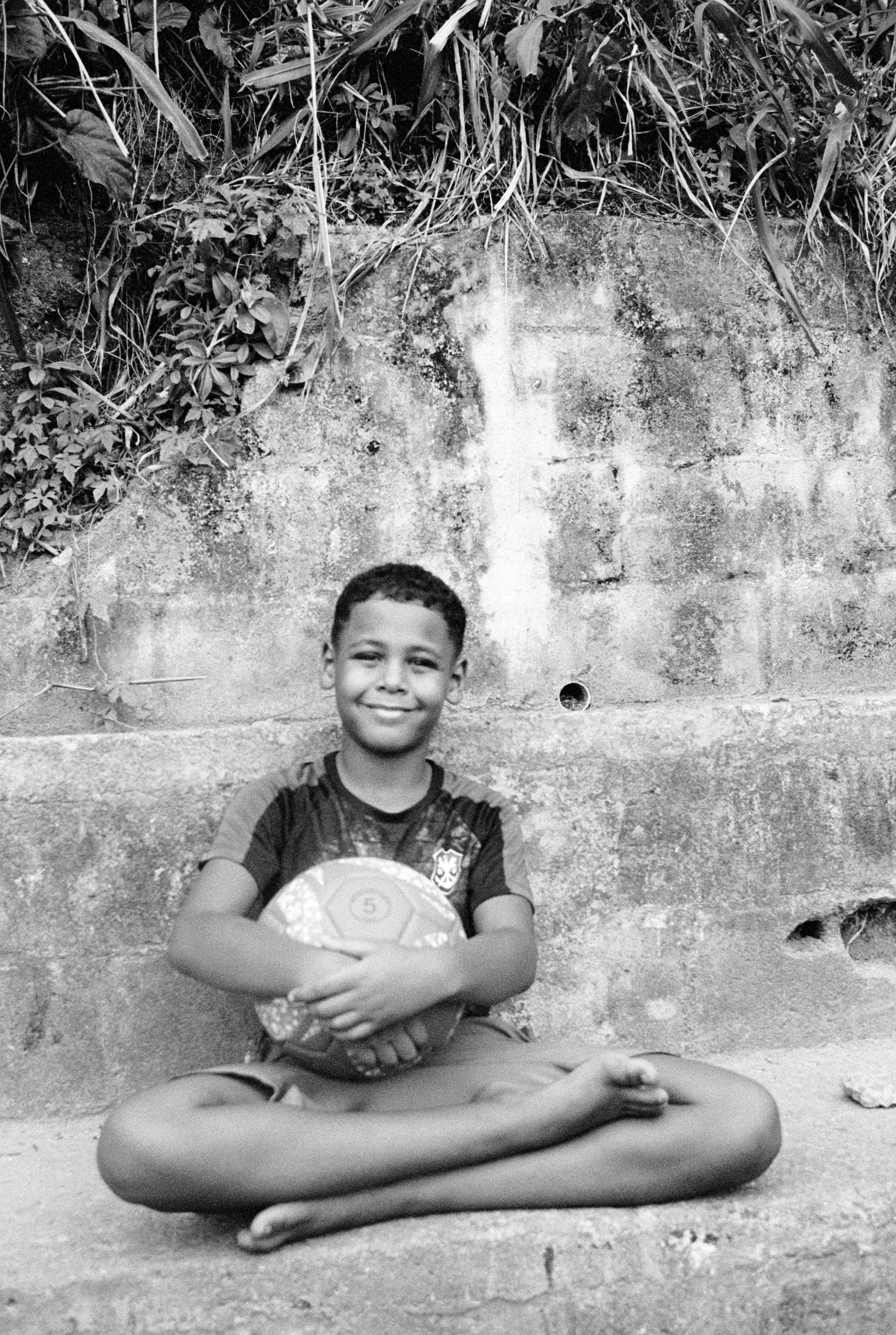
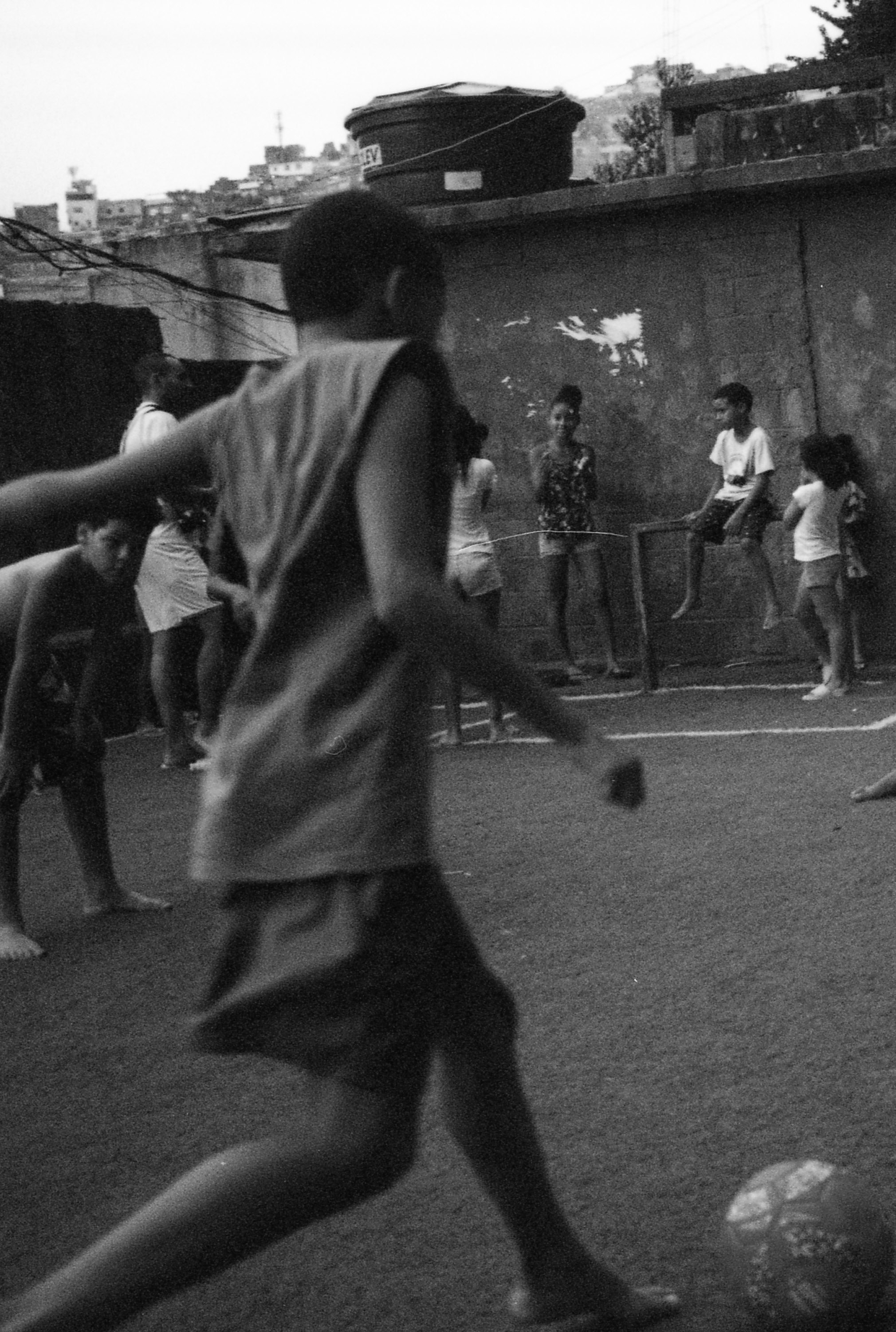
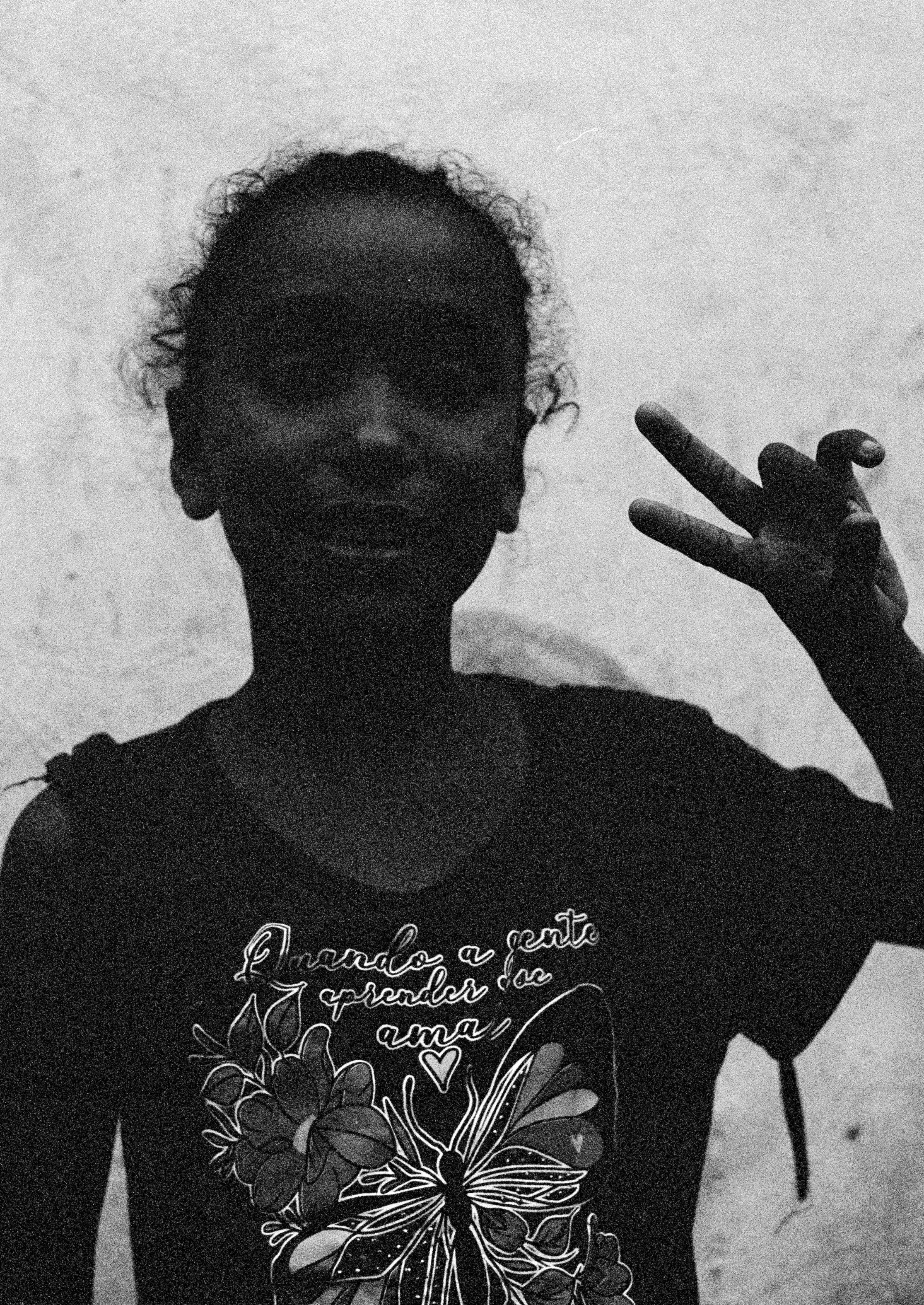
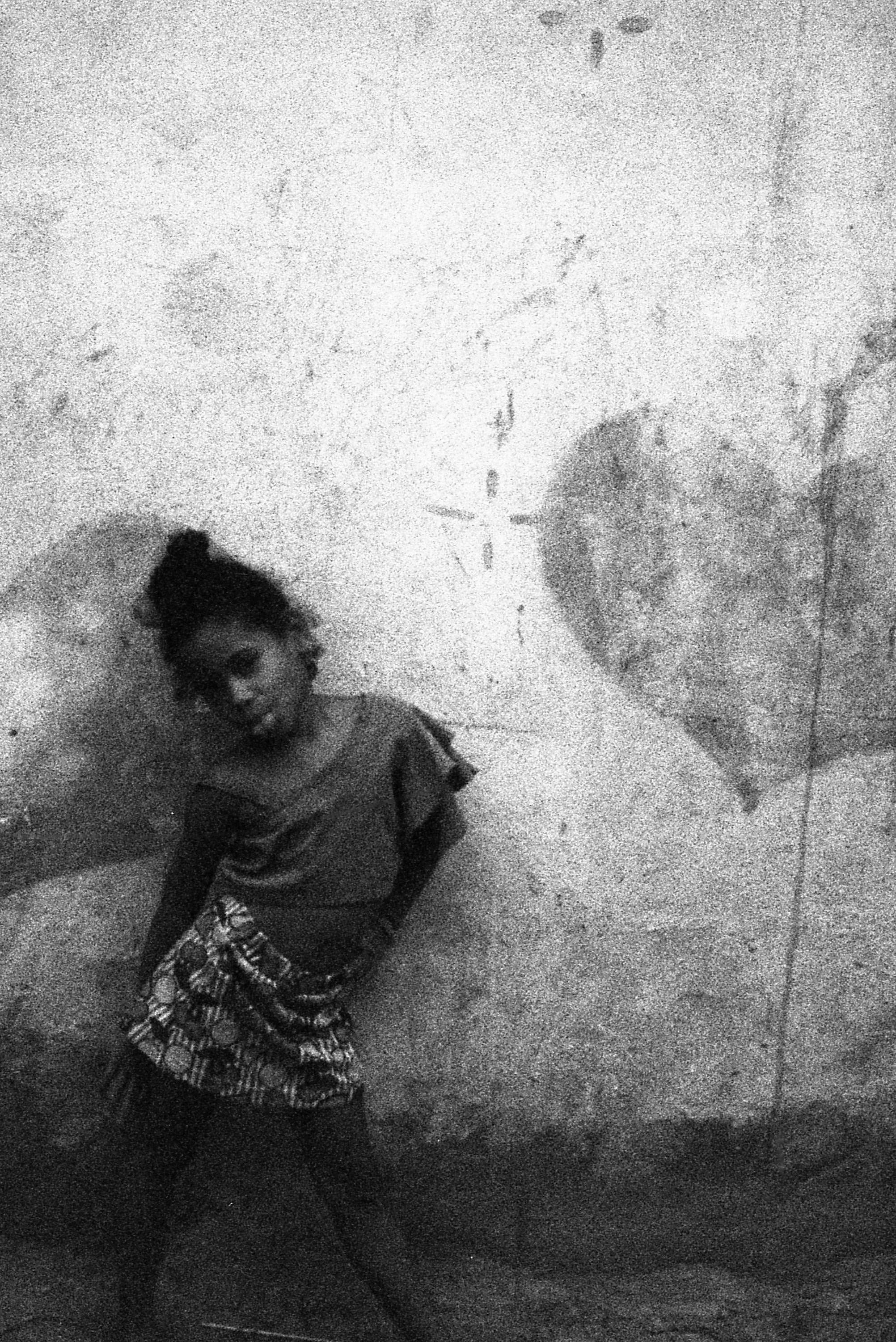
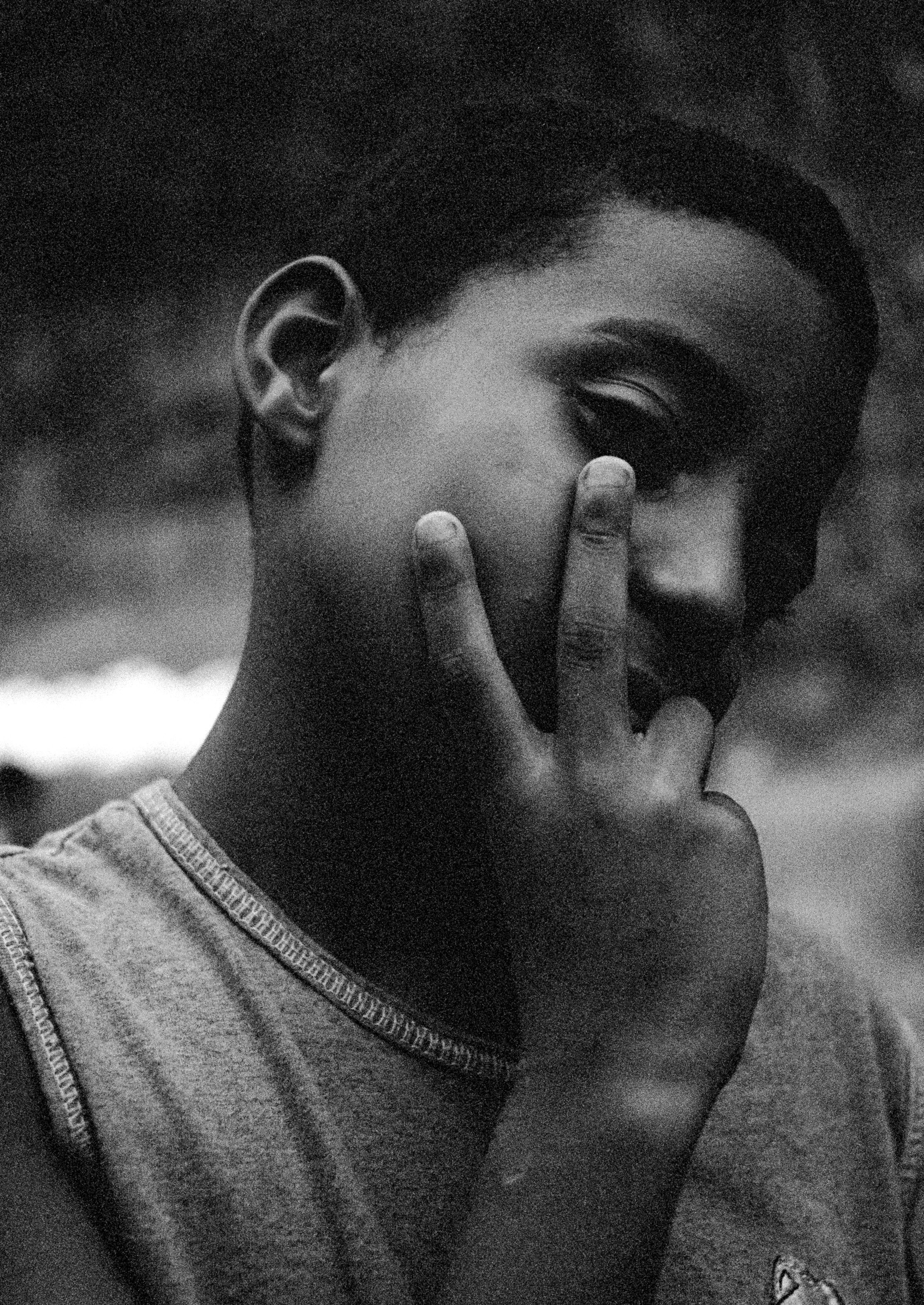
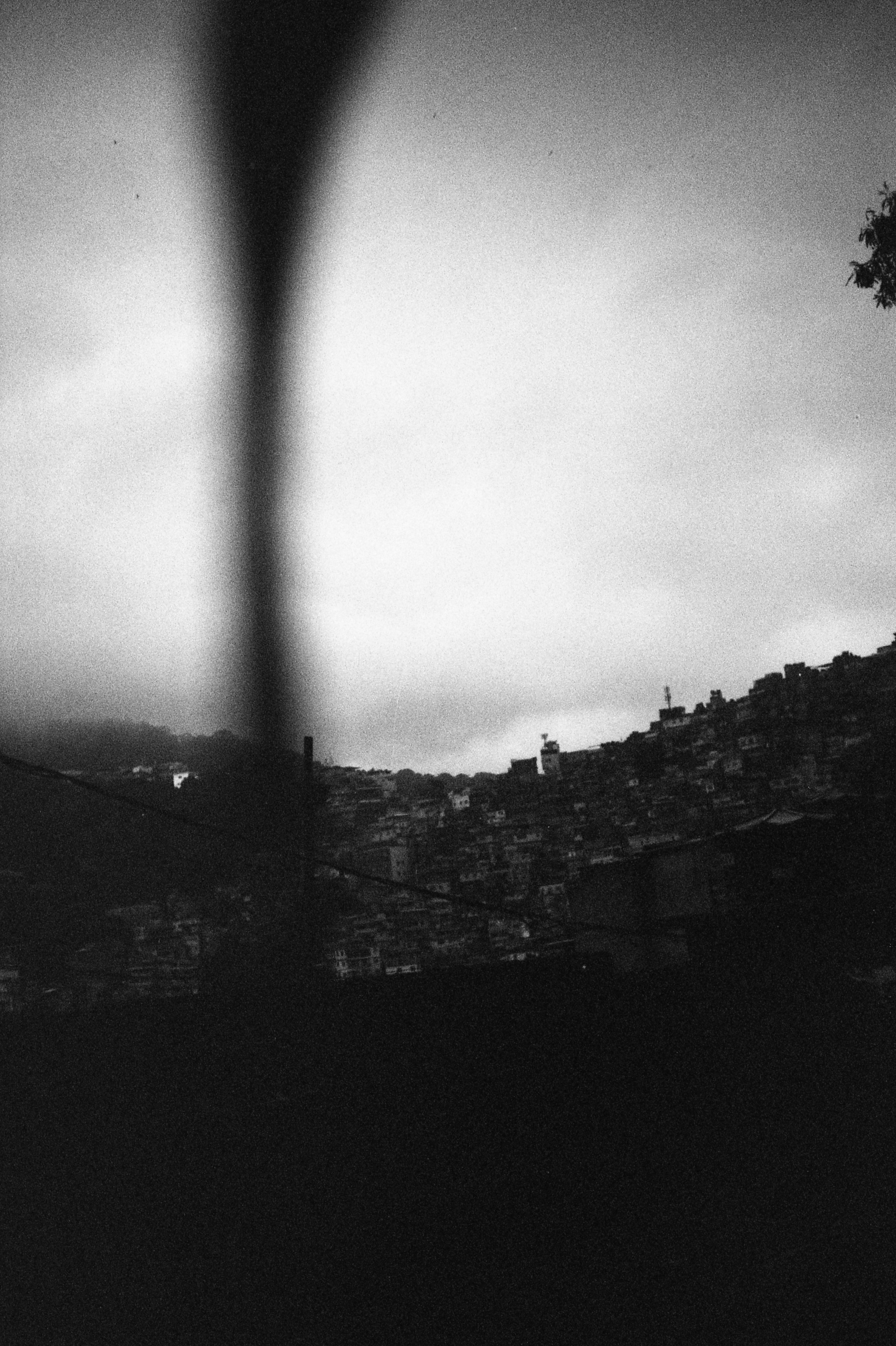
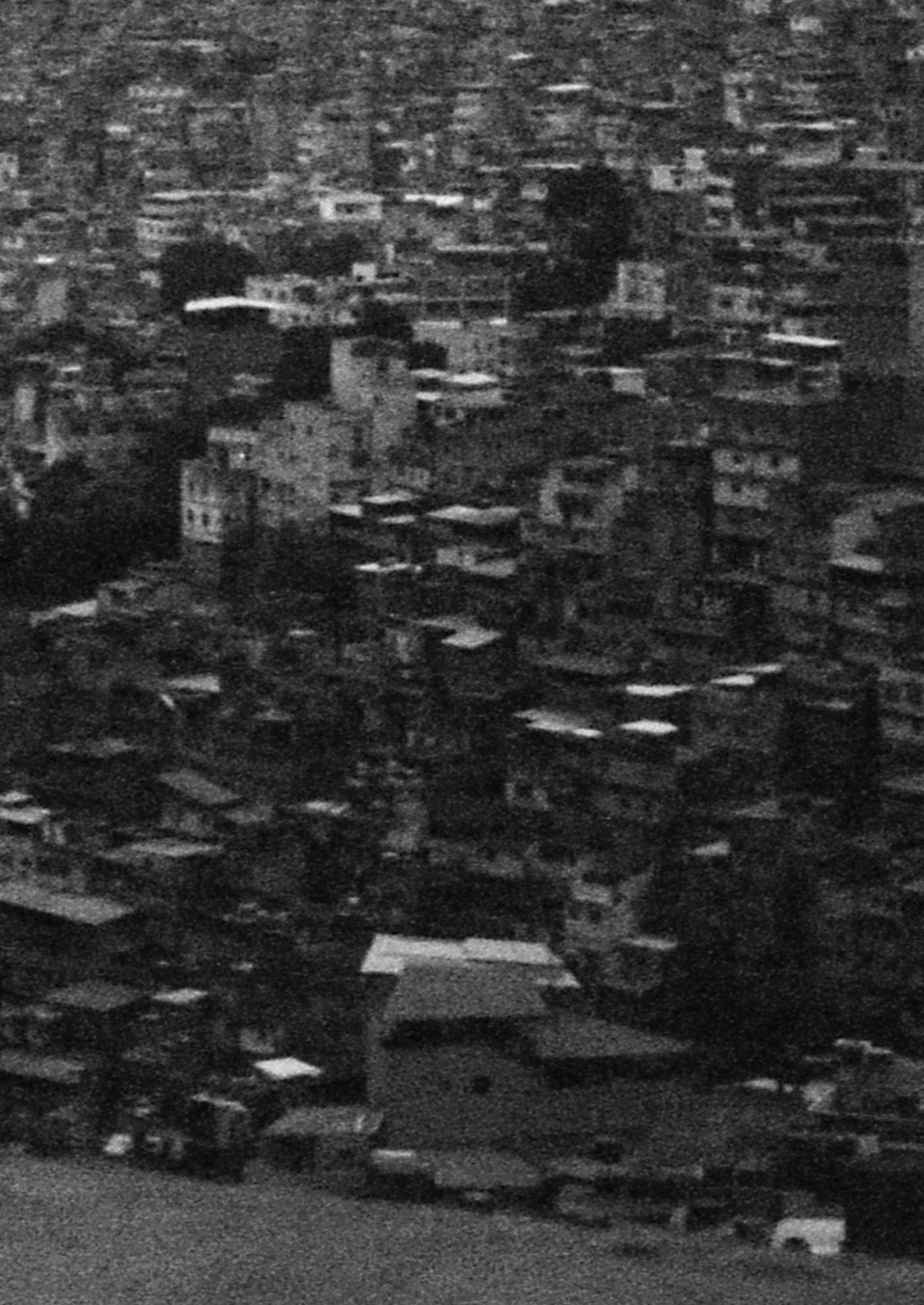
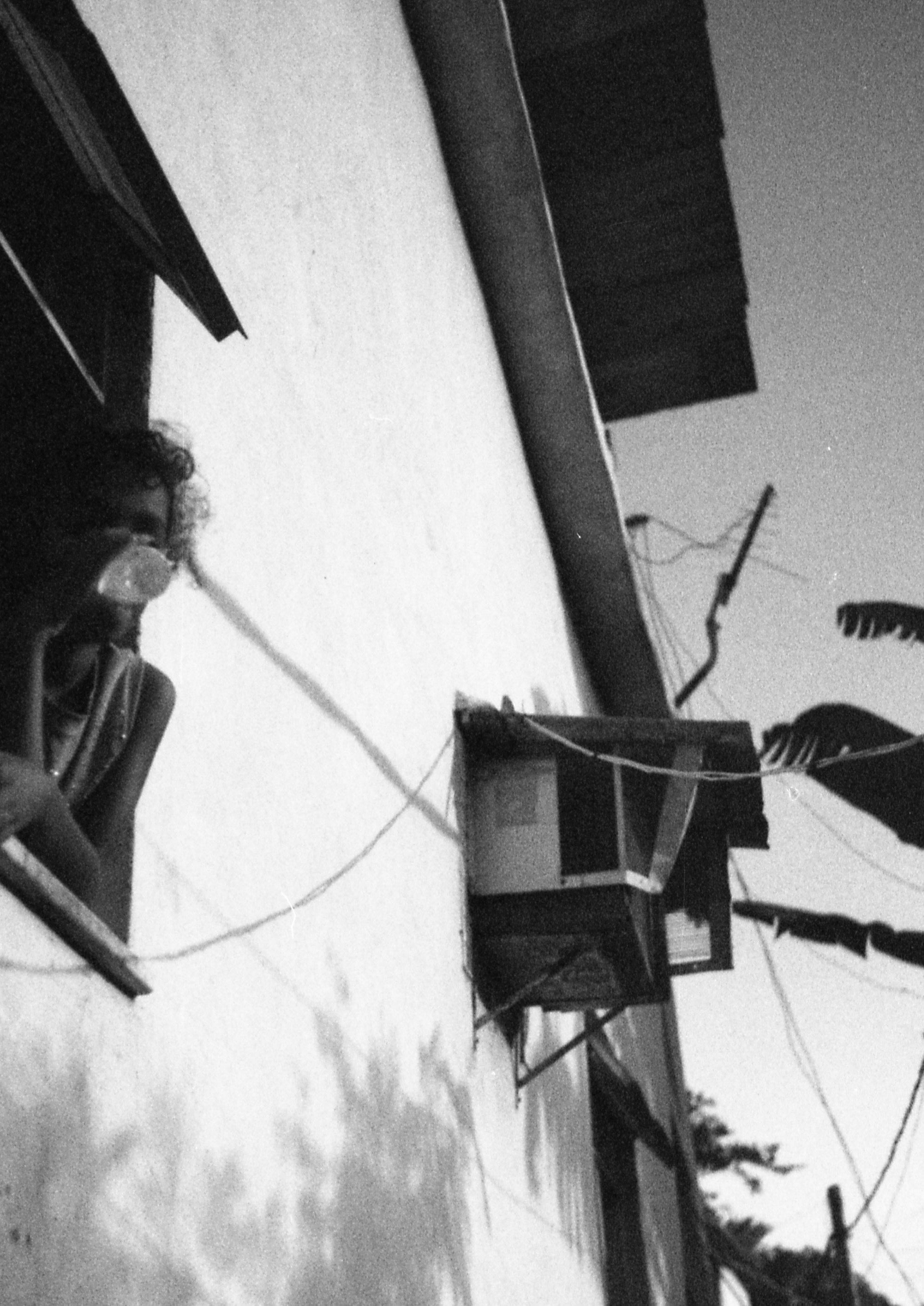
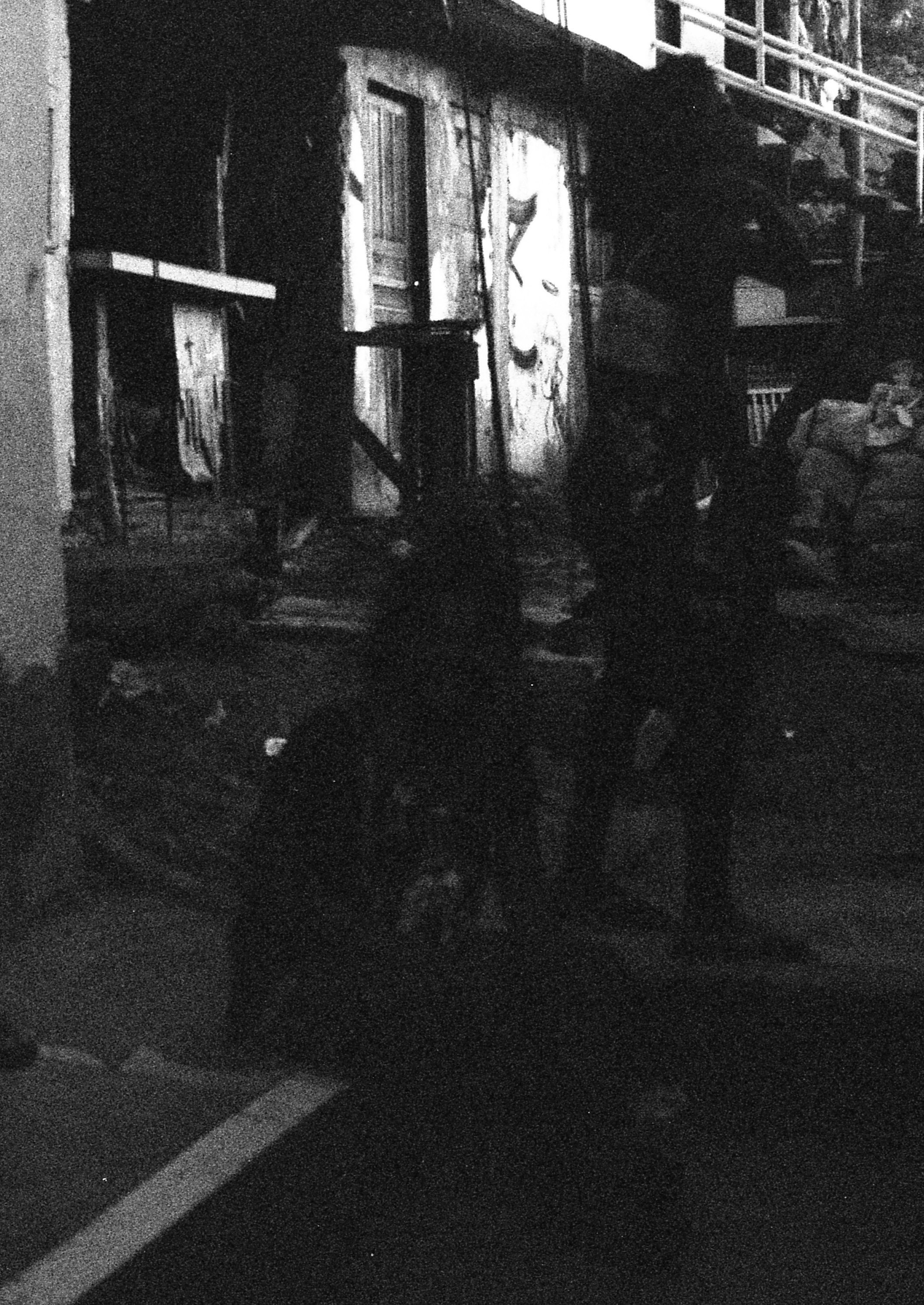
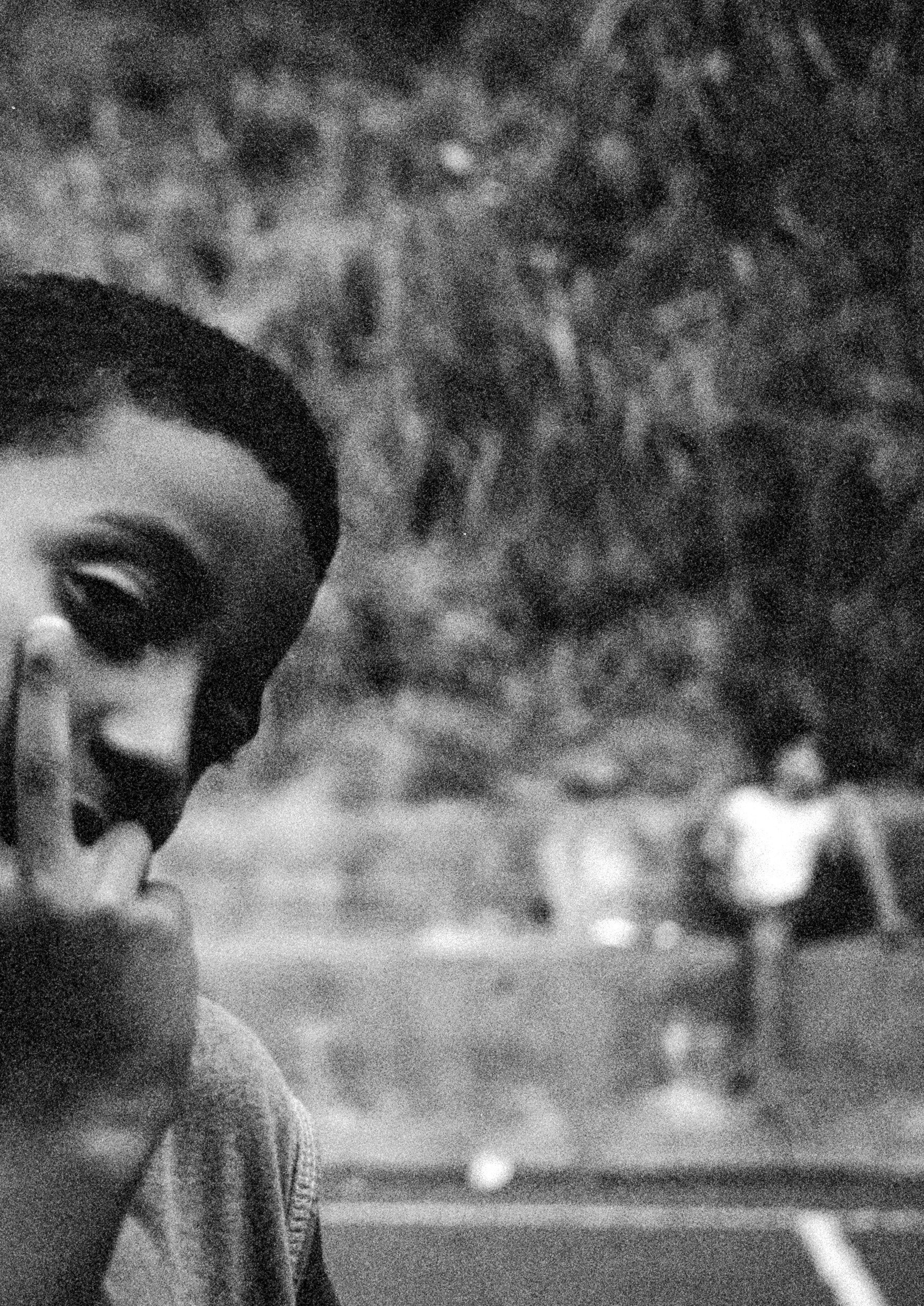
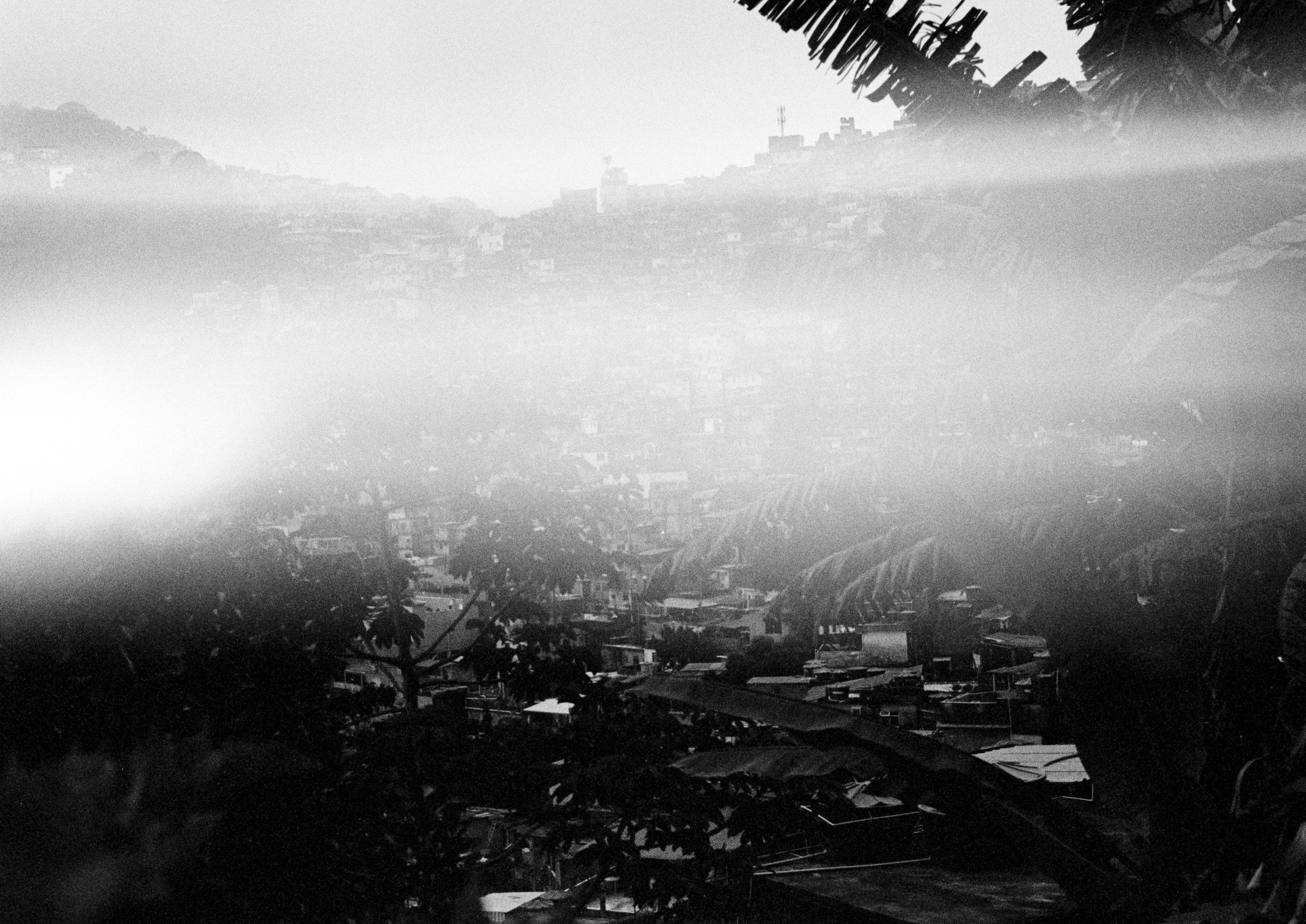
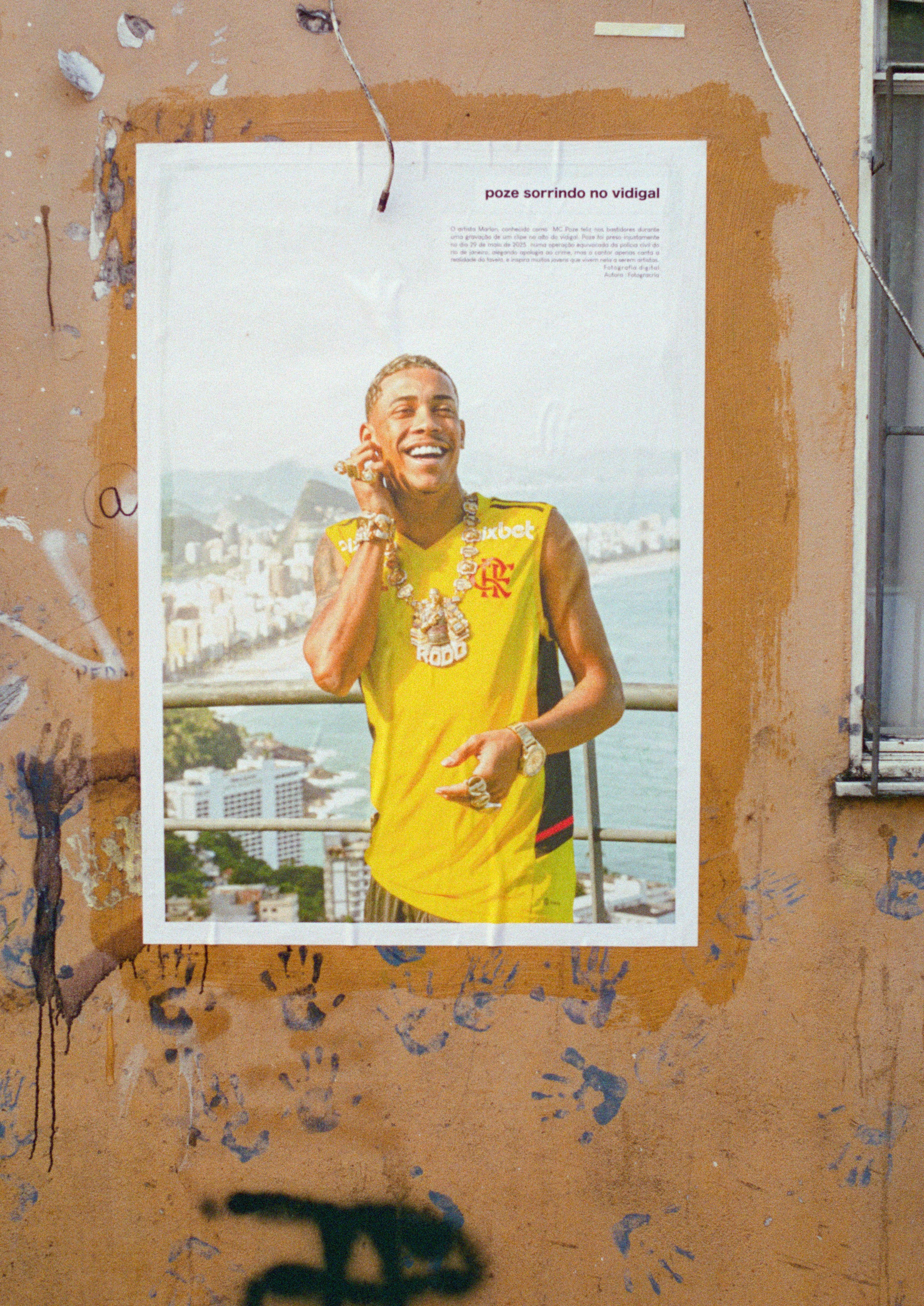
The photographs were pasted up in large format on the walls of Macega and Rocinha: an orange wall, a red house front, a blue shutter, the front of a barber’s. Each poster found its place near the people it shows. Here is the exhibition, wall by wall.
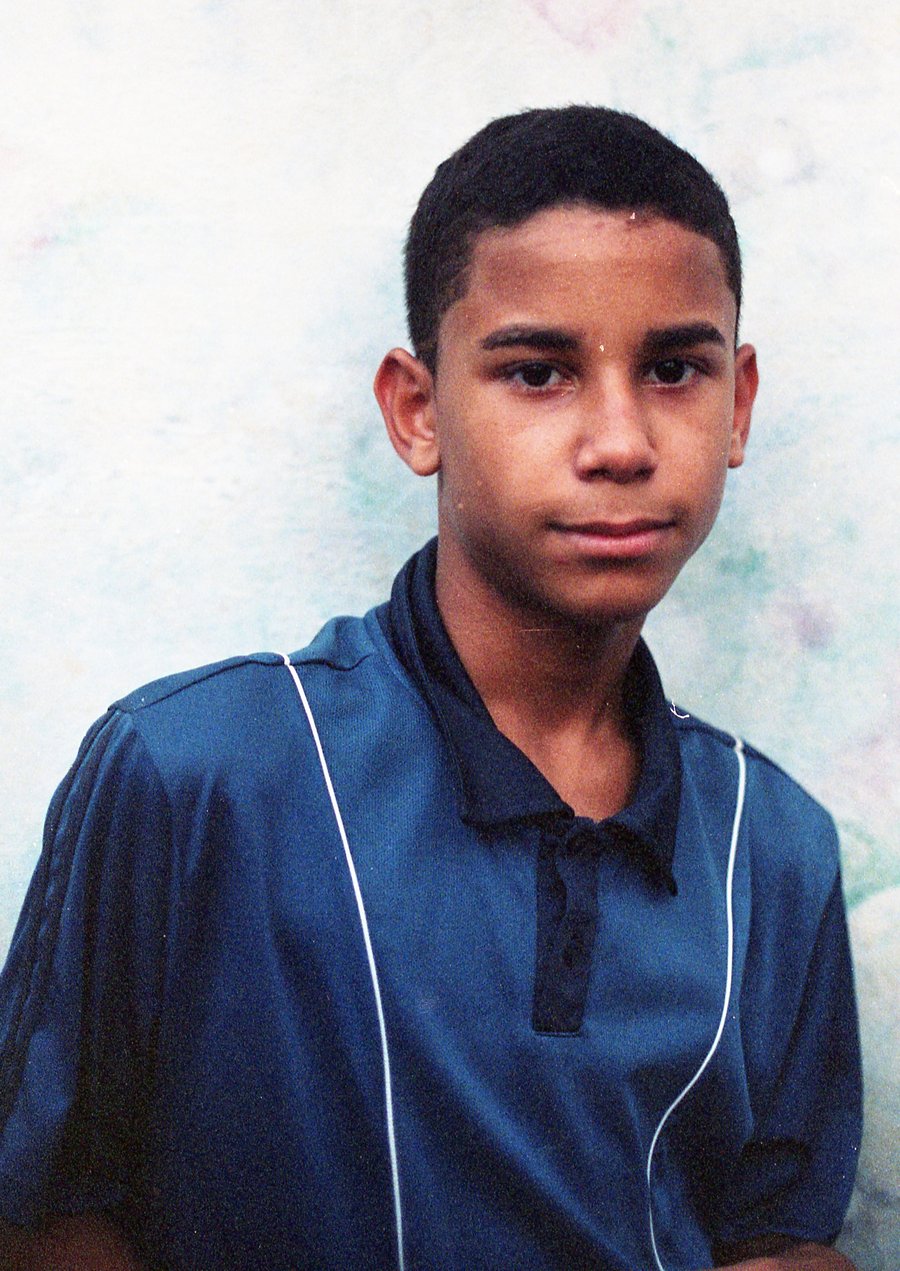
Bruno, forever a boy
on a yellow wall, above the graffiti
Poze smiling in Vidigal
on an orange wall covered in handprints
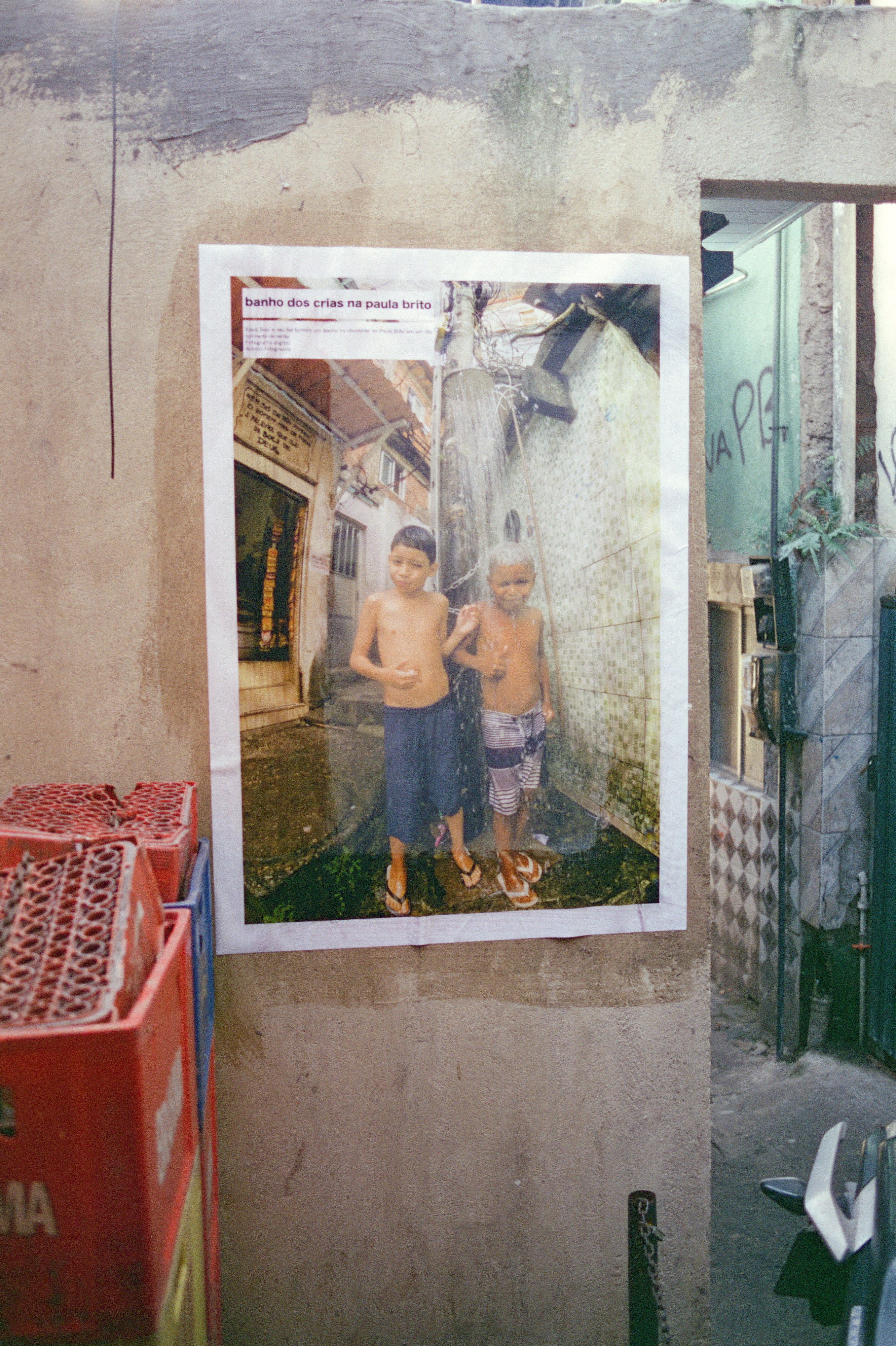
the crias’ shower at Paula Brito
in an alley, next to crates of beer
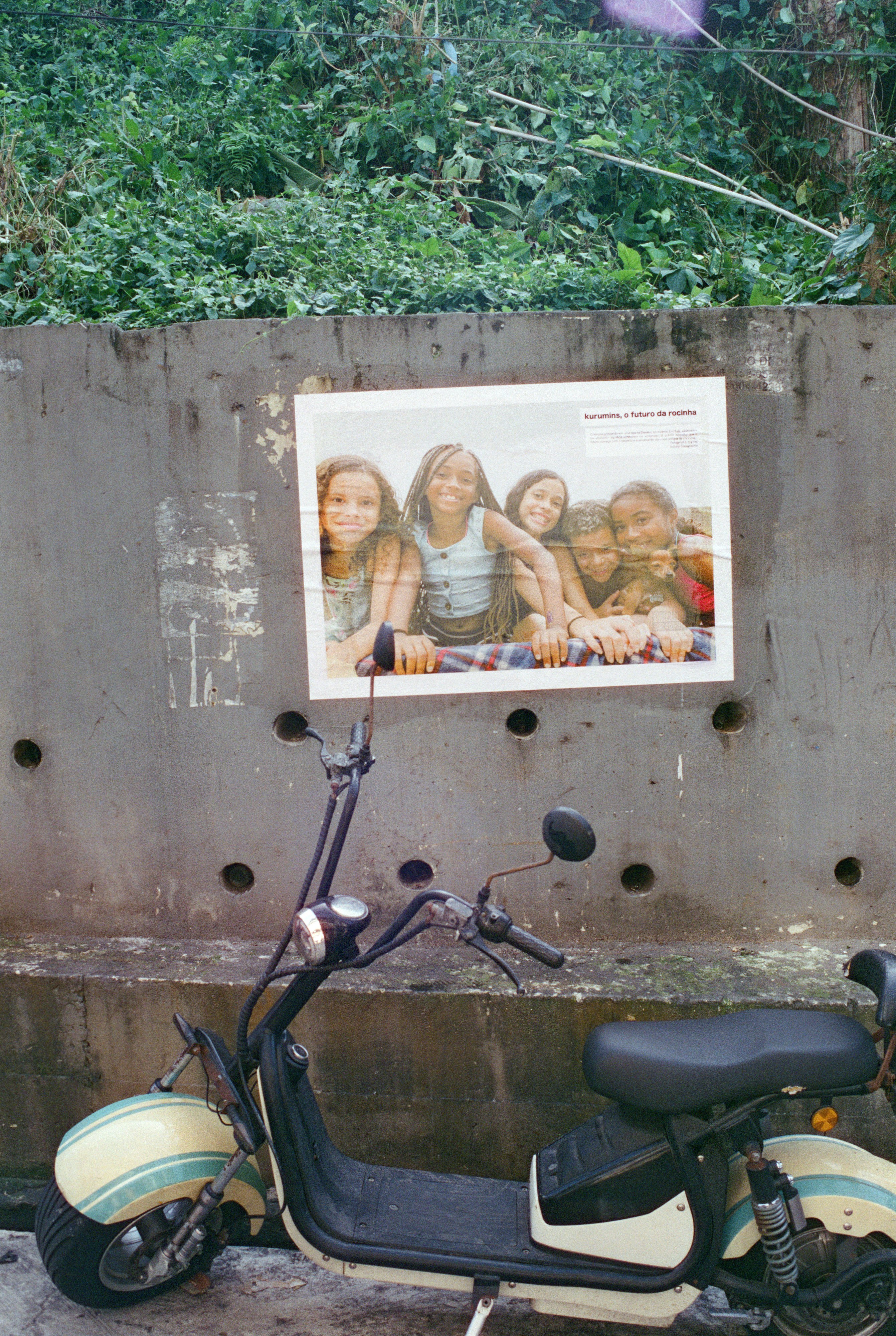
kurumins, the future of Rocinha
on a low wall, above a scooter
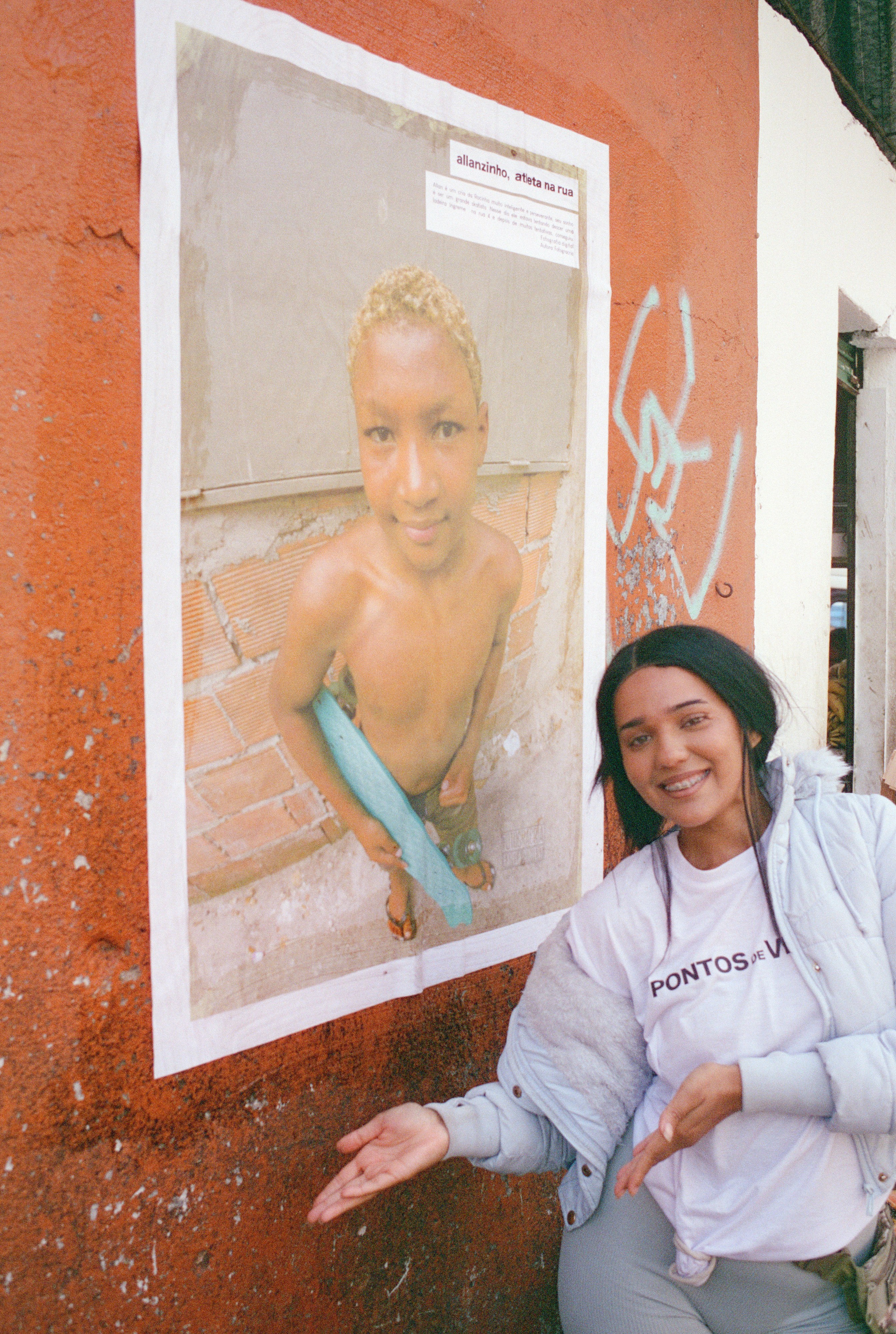
Allanzinho, street athlete
a woman poses in front of the poster
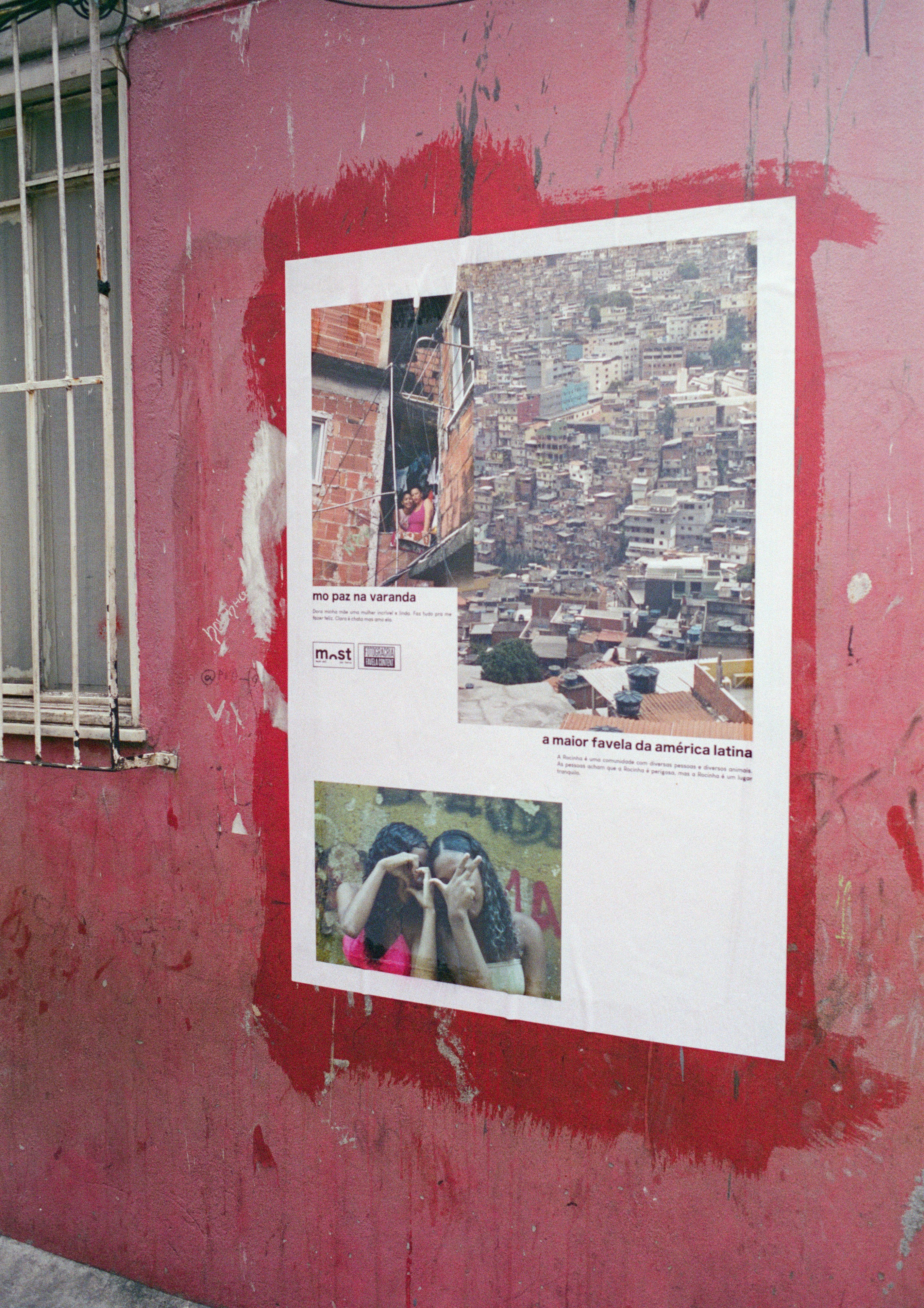
total peace on the balcony
on a red house front, between two windows
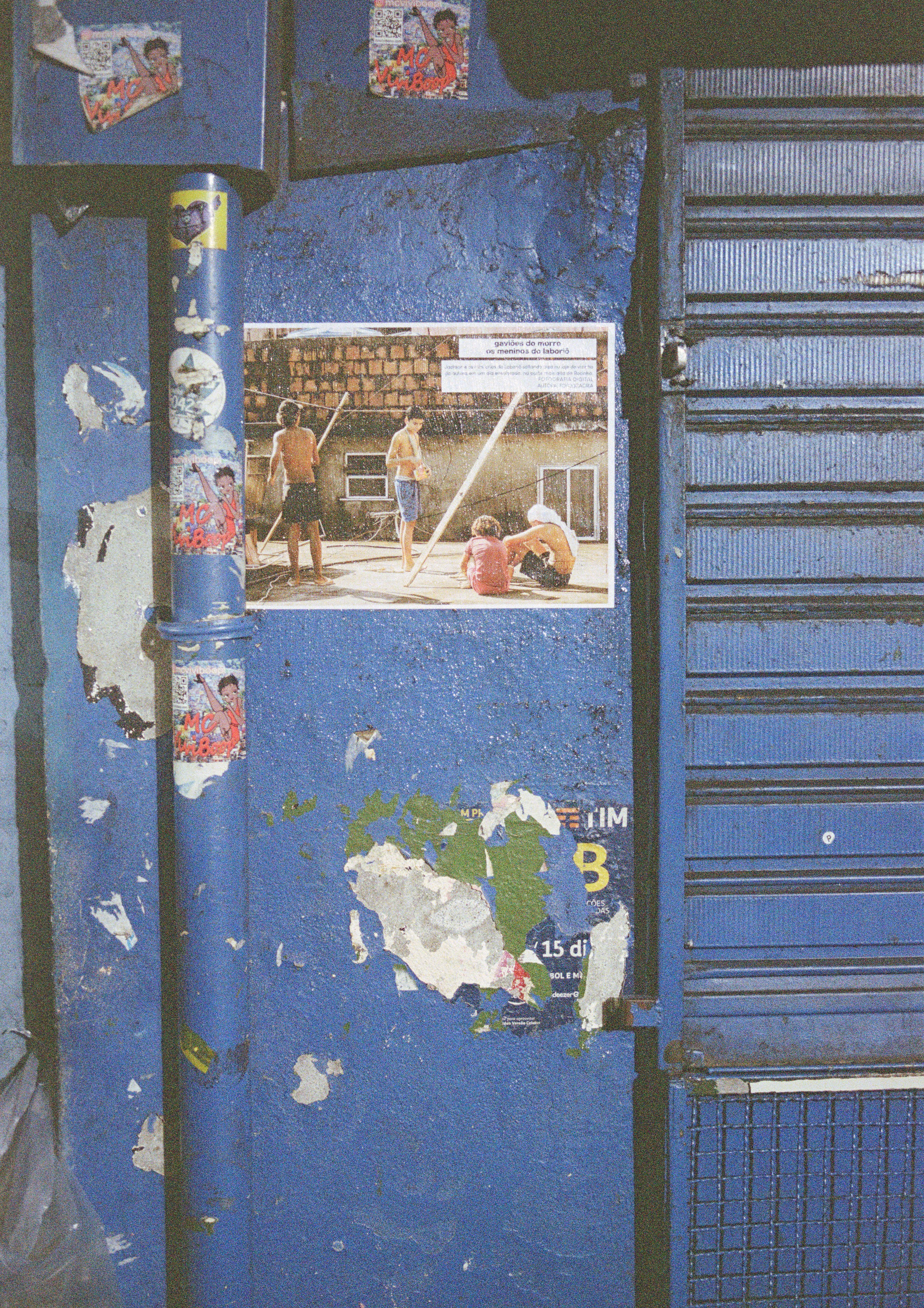
the hawks of the hill — the boys of Laboriô
on a blue wall, next to a metal shutter
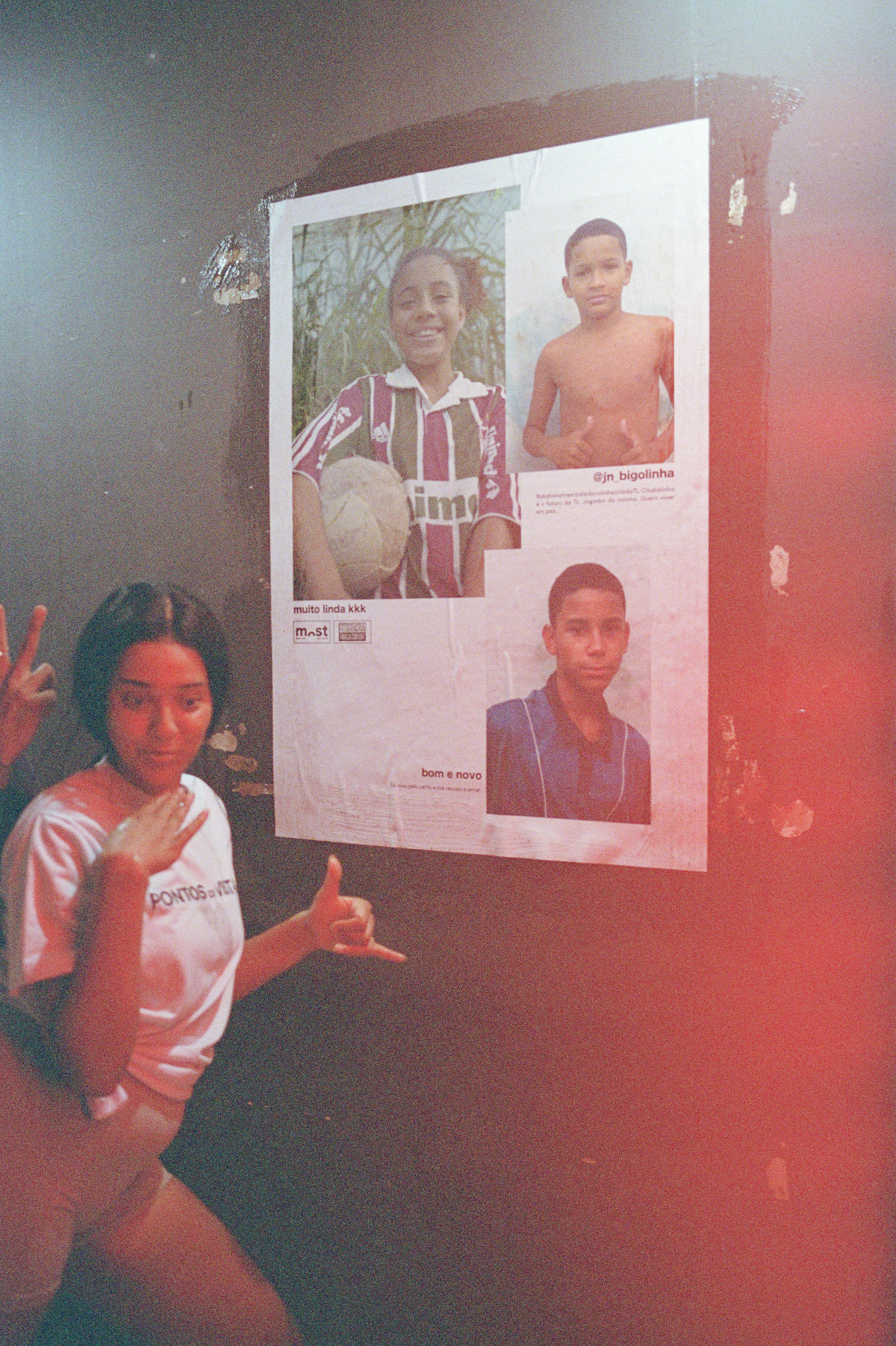
three portraits on the same wall
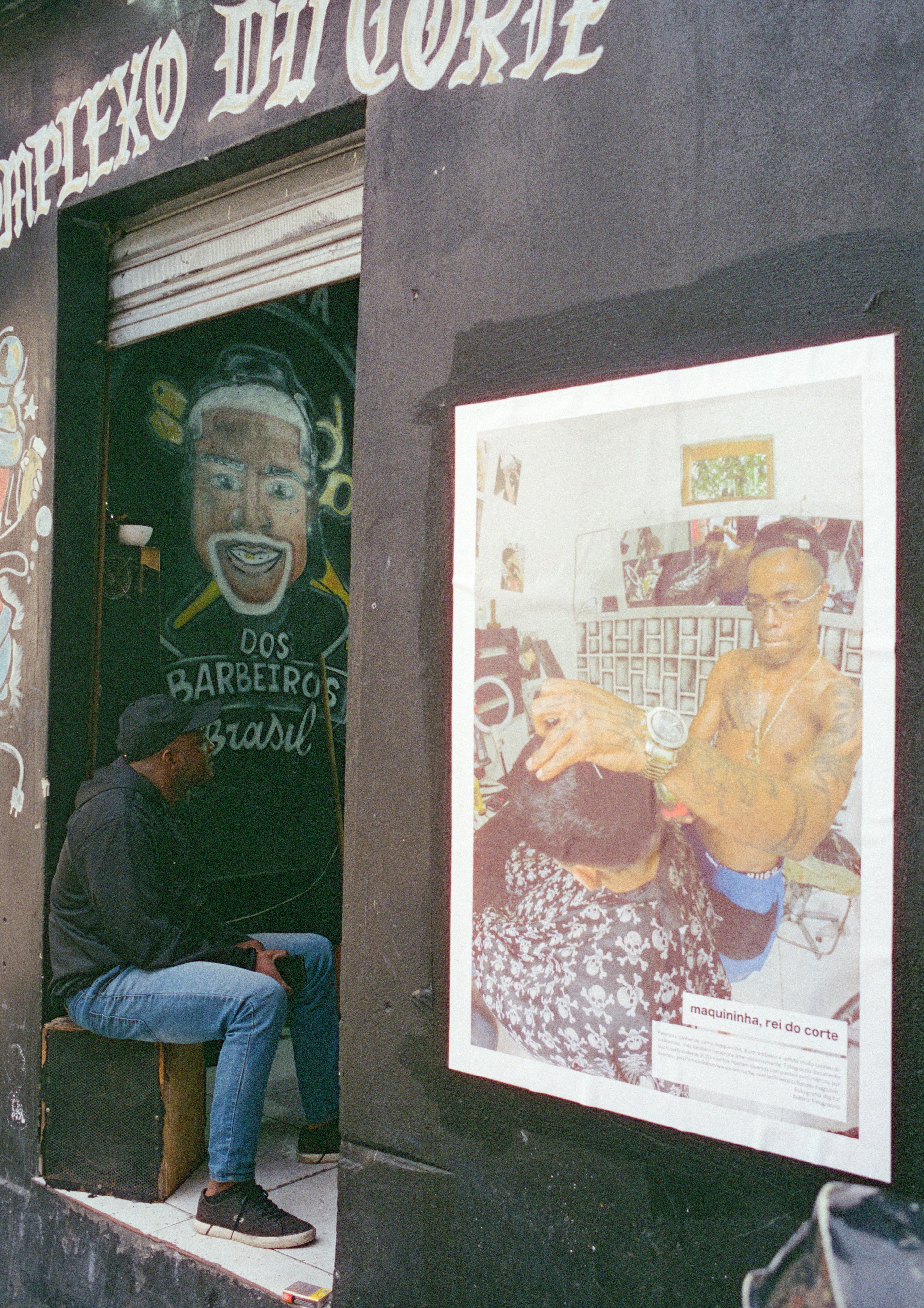
Maquininha, king of the cut
outside the barber’s
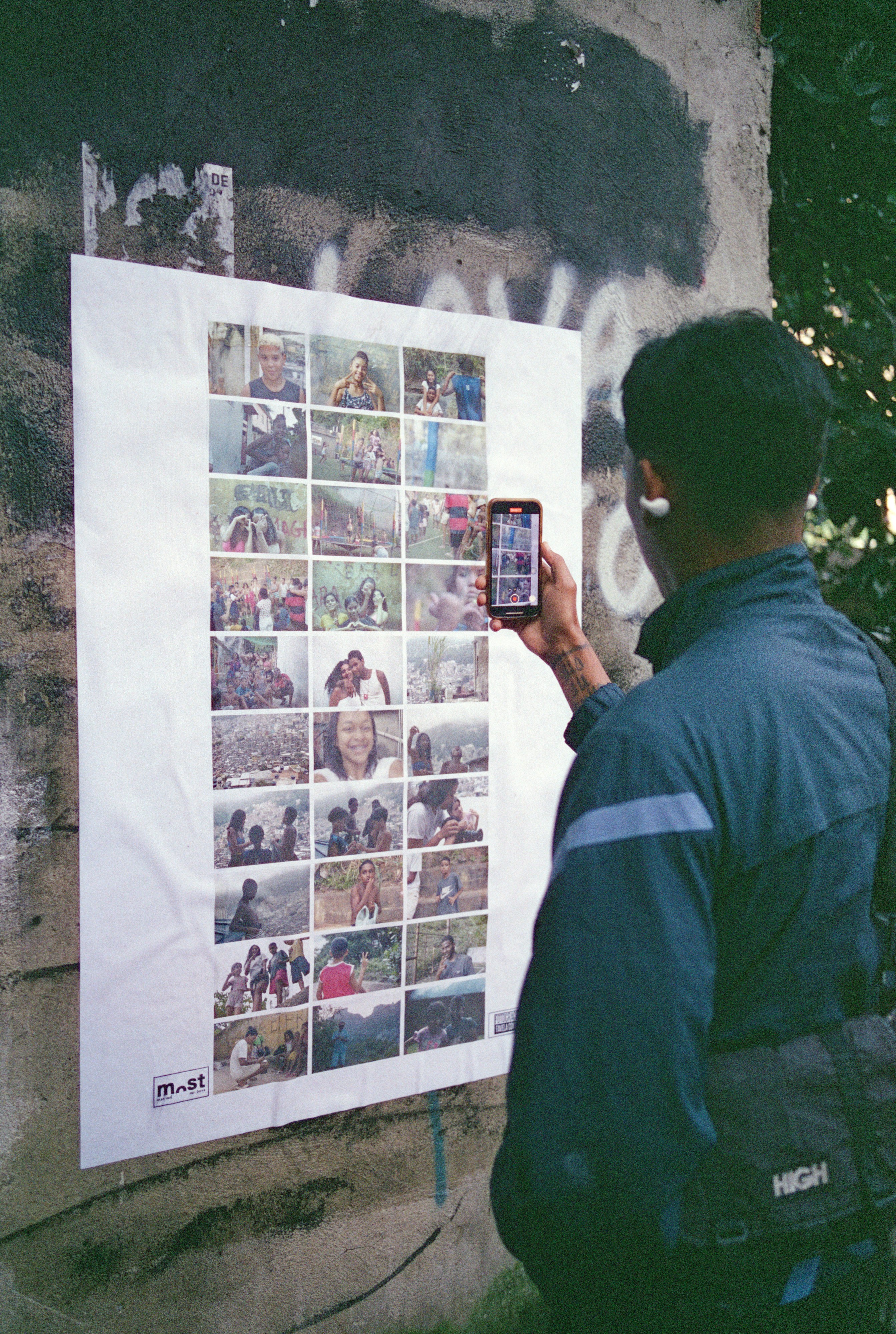
the contact sheet, on a wall
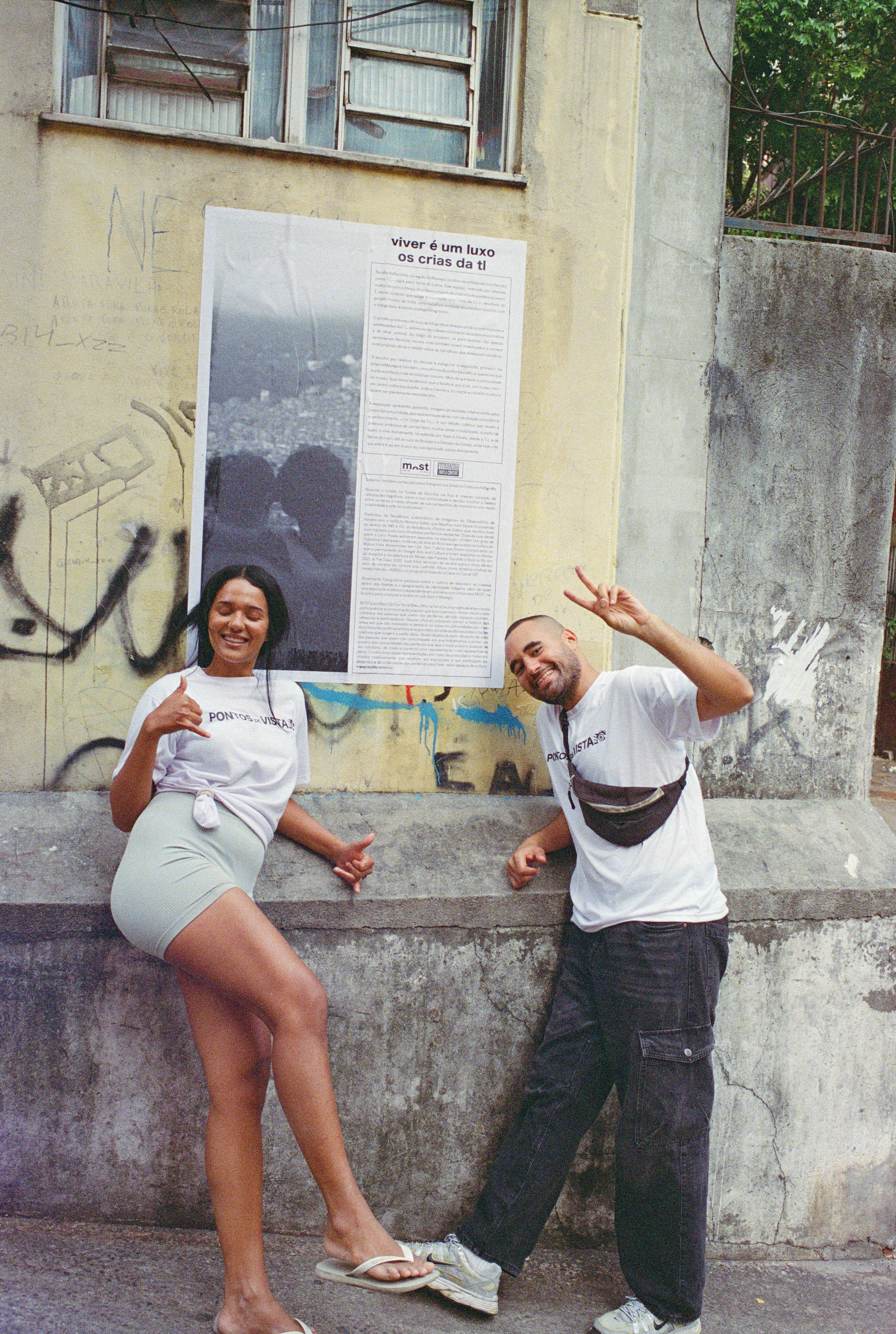
The photographer from Rua 4 and the association designed and ran the project together: workshops, art direction, selection, pasting. To find out more about her path and her research, go to the home page.
Photographs, titles and captions: the children and teenagers of the T.L. (Macega, Rocinha) and Fotogracria, shown together.
The mOst team also photographs with the young people, in workshops, encounters and paste-ups: these images are part of the co-creation process.
Workshops, art direction and exhibition: Fotogracria × mOst, Pontos de Vista project, Macega, Rocinha, 2025.
Texts: Fotogracria and mOst.
to be added : names of the T.L. participants