laboriô
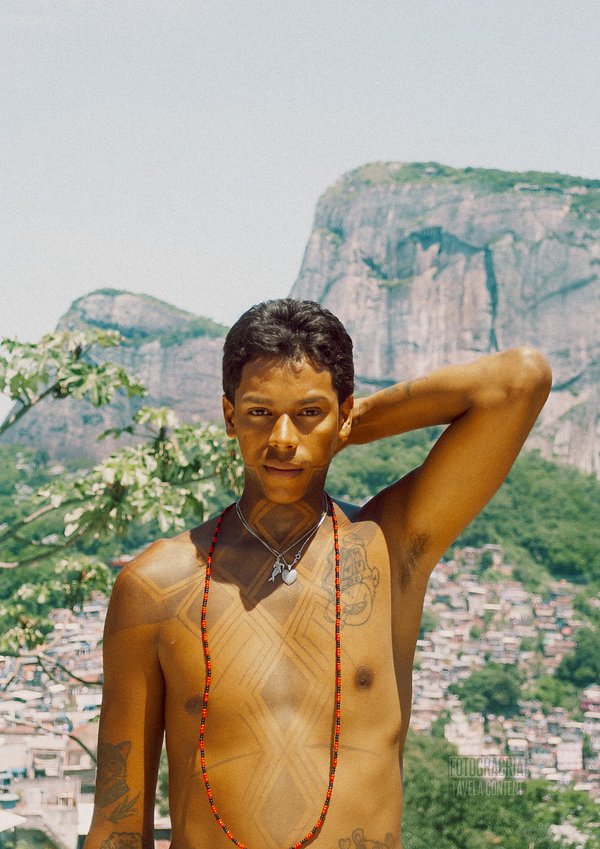
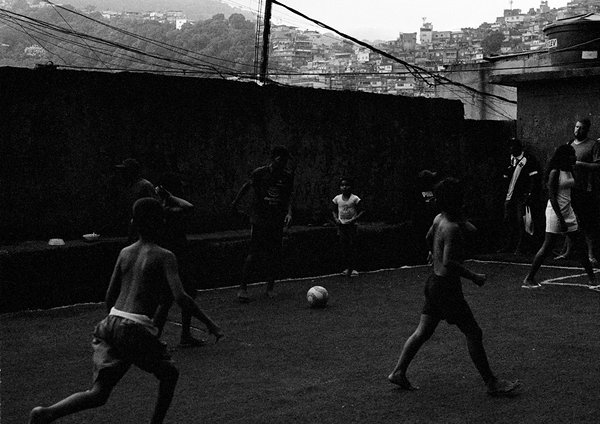
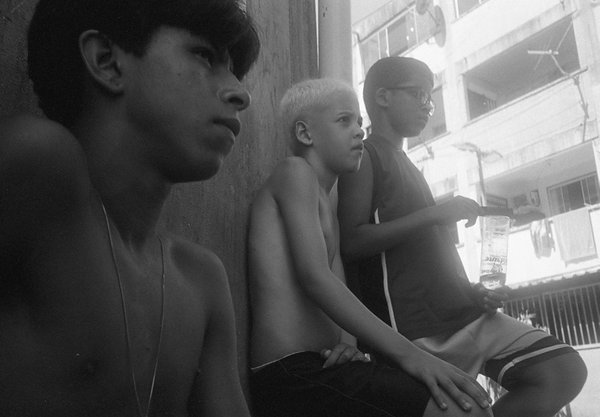
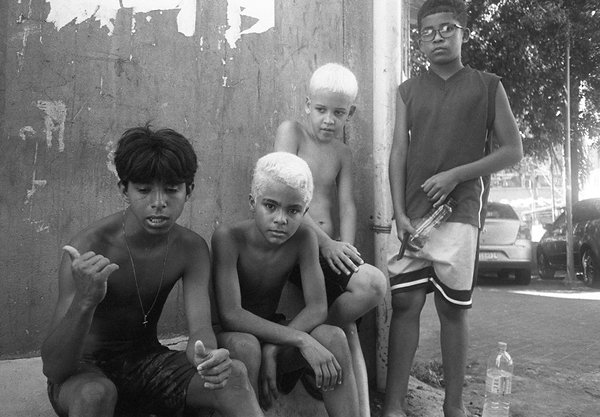
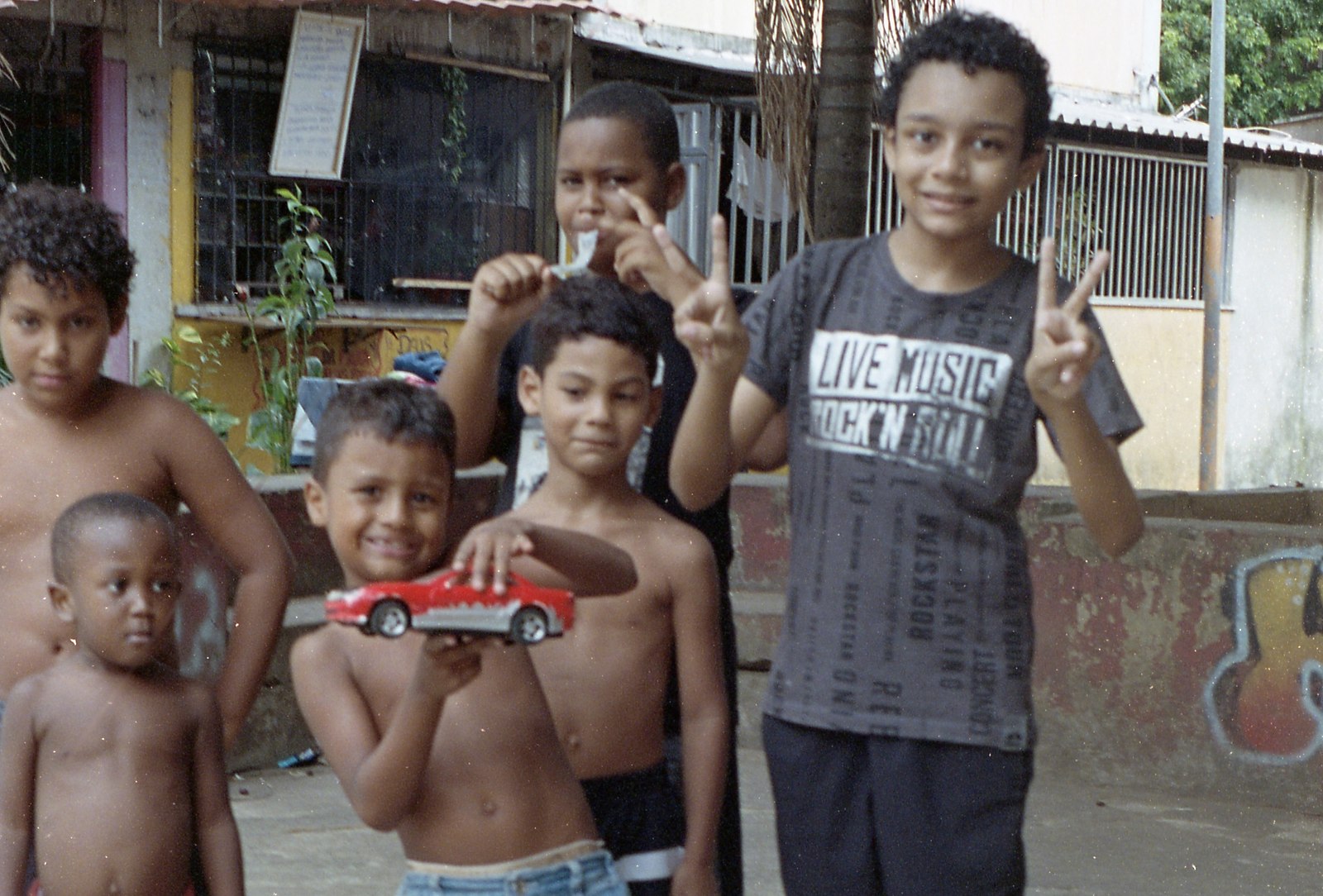
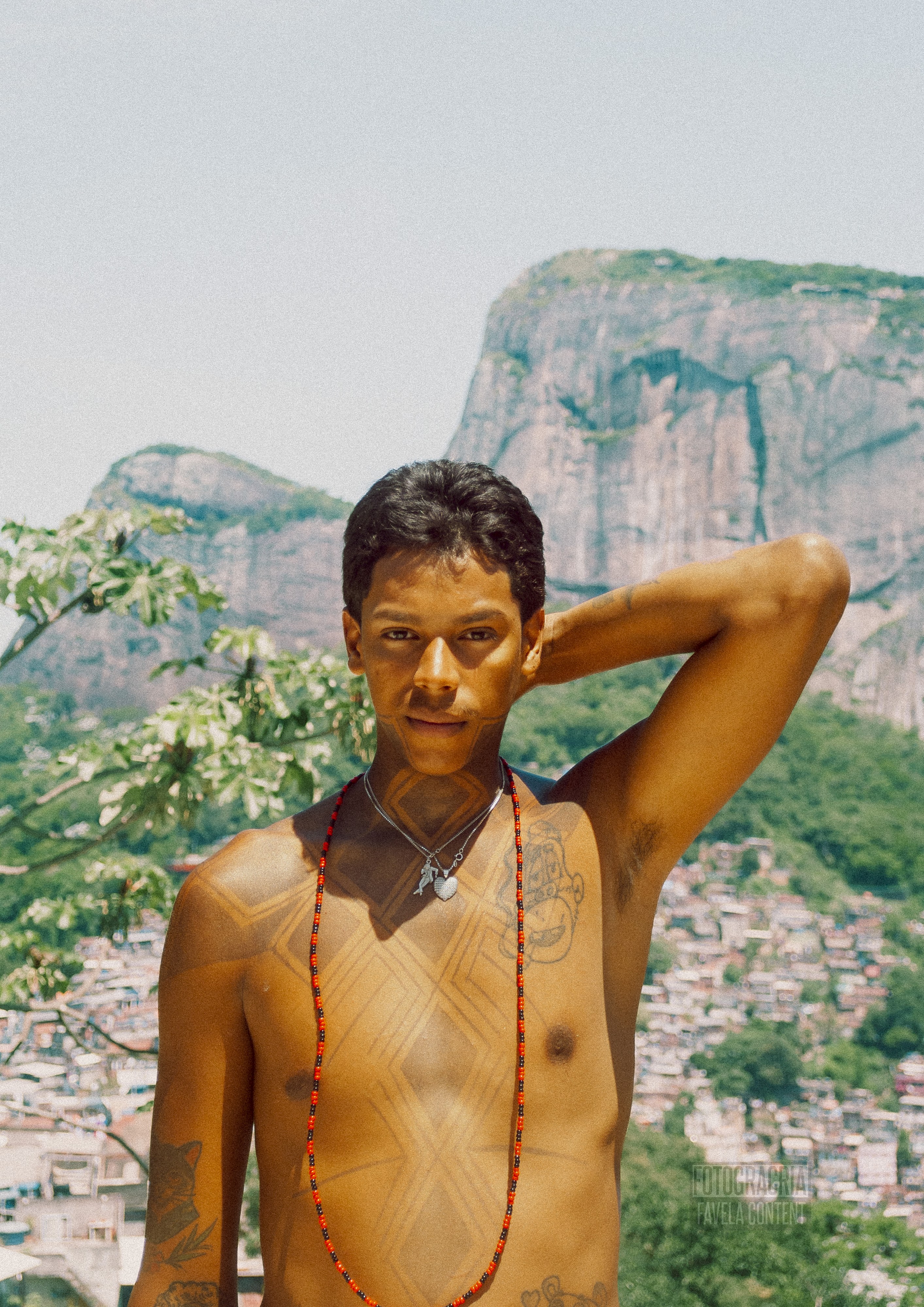
At the very top of Rocinha, a narrow tongue of houses climbing through the forest towards Morro do Laboriaux. Home turf of “the hawks of the hill”, the boys of Laboriô photographed by Fotogracria.
see in the project2025 · viver é um luxo
 rocinha · rio de janeiro/22°59′ S · 43°15′ W/rio de janeiro, UTC−3
Three photography projects made with the children and young people of Rocinha, and three exhibitions pasted on its walls, where the stories begin.
three projects, in orderthe favela is, in itself, a living museum.
Nobody came here to “give people a voice”. The images are made together: the children, young people and residents of Rocinha take photographs, and Fotogracria and the mOst team photograph with them, on walks, in workshops and during encounters. The titles, captions and hanging choices belong to the participants. mOst, and then Fotogracria, opened a space, brought tools and walked alongside.
Then the images went back into the alleys. Pasted on the neighbourhood’s walls, they were seen first by the people who live there, before they reached this online archive.
Clinging to the slopes of Morro Dois Irmãos, between Gávea and São Conrado, Rocinha is the most populous favela in Brazil: 72,021 residents in the 2022 census. It is usually shown from a distance: a postcard view from the beach, or a headline on the day of a police operation.
This site starts from the other side: the becos and vielas, alleys so narrow two people barely pass; the lajes, flat concrete roofs where people dance, hang washing and fly kites; Rua 4, Portão Vermelho, and Macega and the T.L. at the very top. Each place has its name, its history, its regulars. The children of Rocinha know them by heart. They are the ones who photographed them.
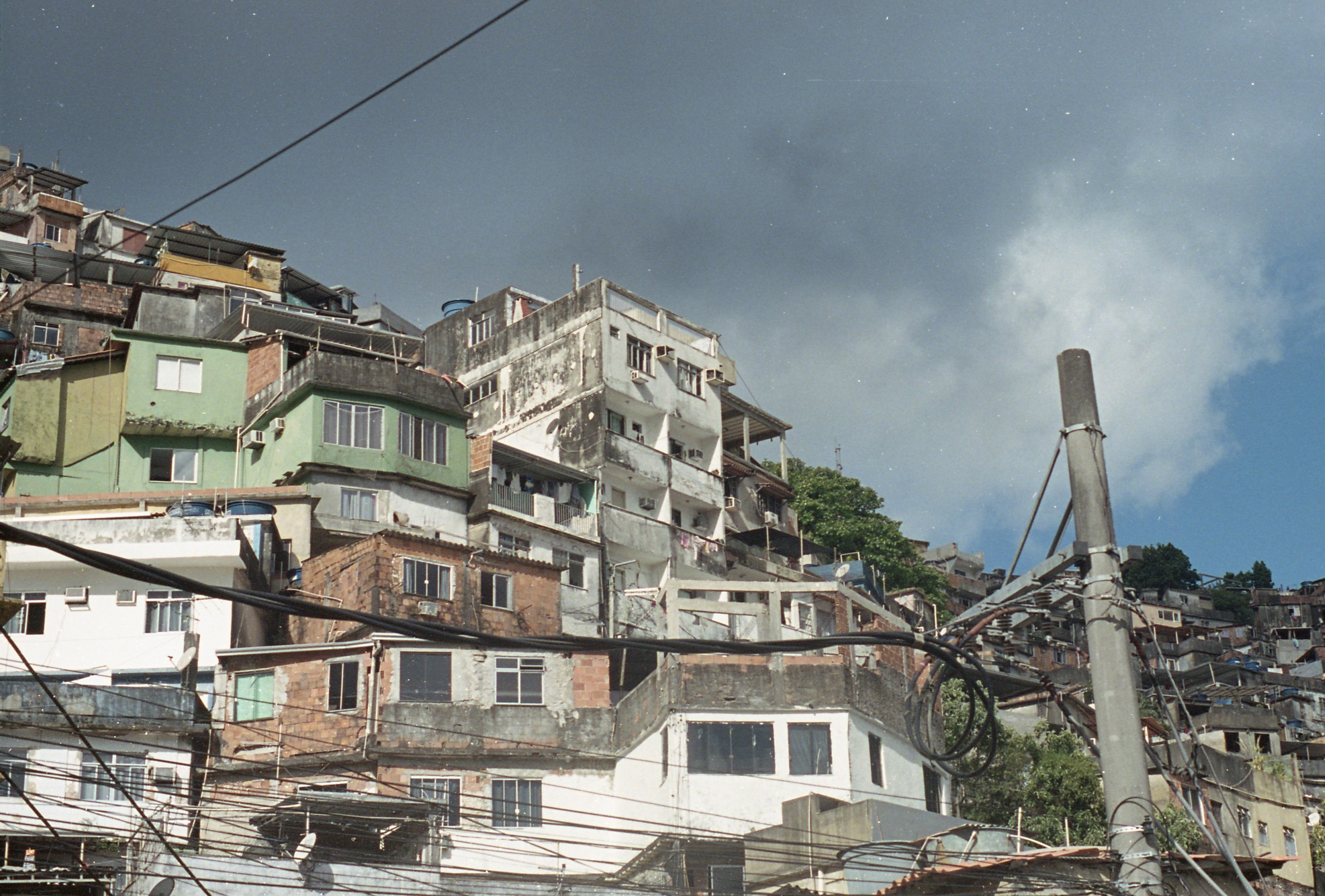
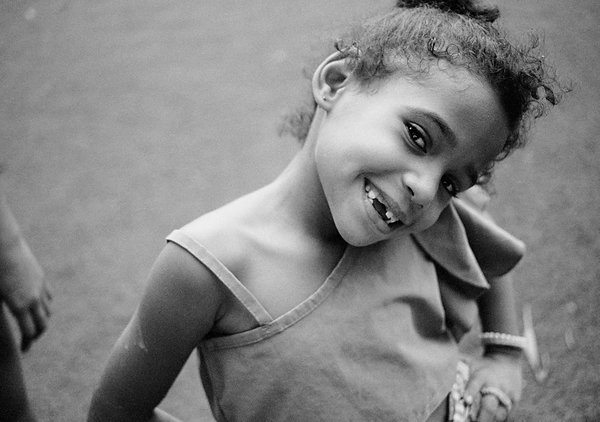
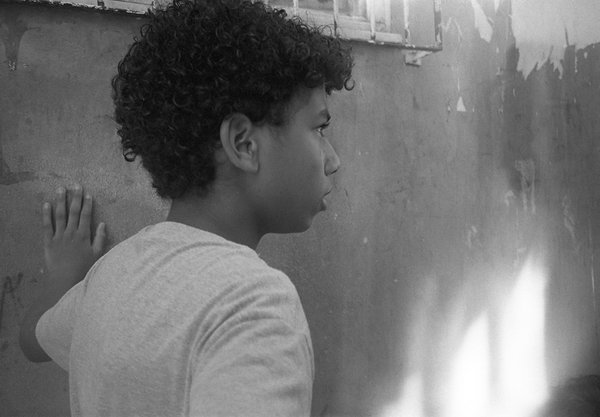
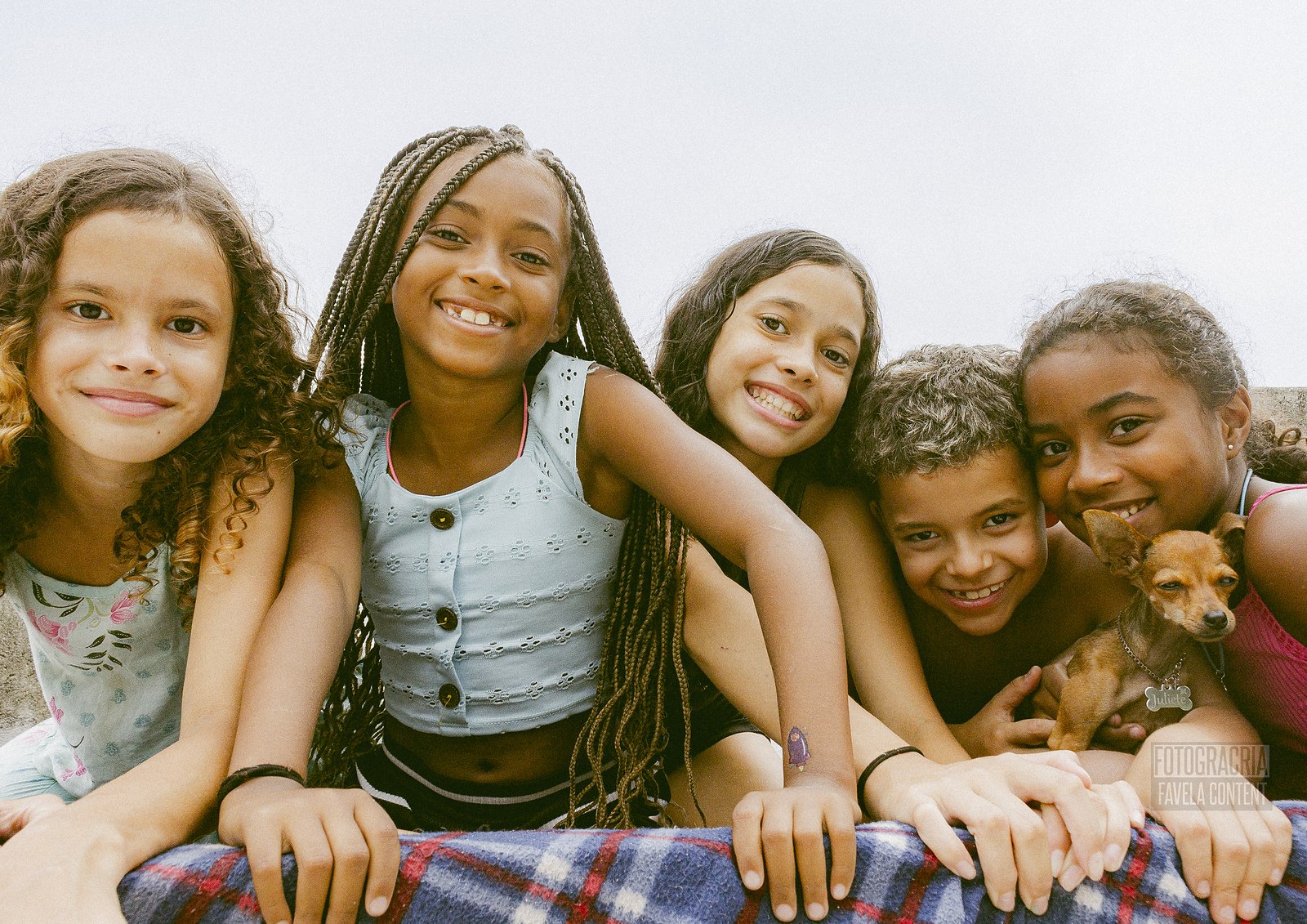
This photo gives me an inexplicable calm, and nostalgia for my mother’s day. (vibe da rocinha, 2024)
Turn the model around: each marker opens the photos taken at that spot, from the top of the morro down to the Estrada da Gávea.
drag to turn · pinch or ctrl + scroll to zoom · tap a marker to see its photos
At the very top of Rocinha, a narrow tongue of houses climbing through the forest towards Morro do Laboriaux. Home turf of “the hawks of the hill”, the boys of Laboriô photographed by Fotogracria.
see in the project2025 · viver é um luxo
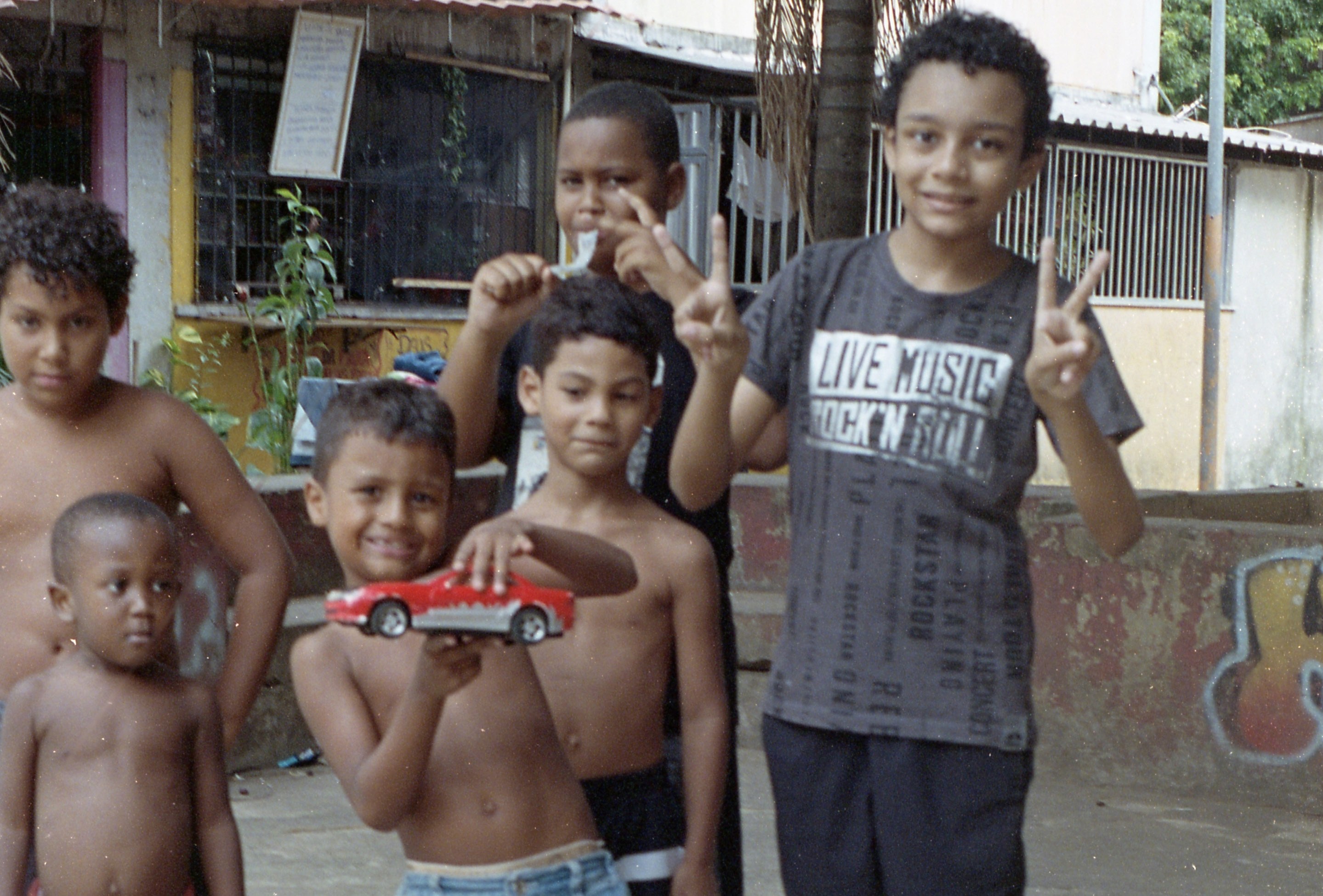
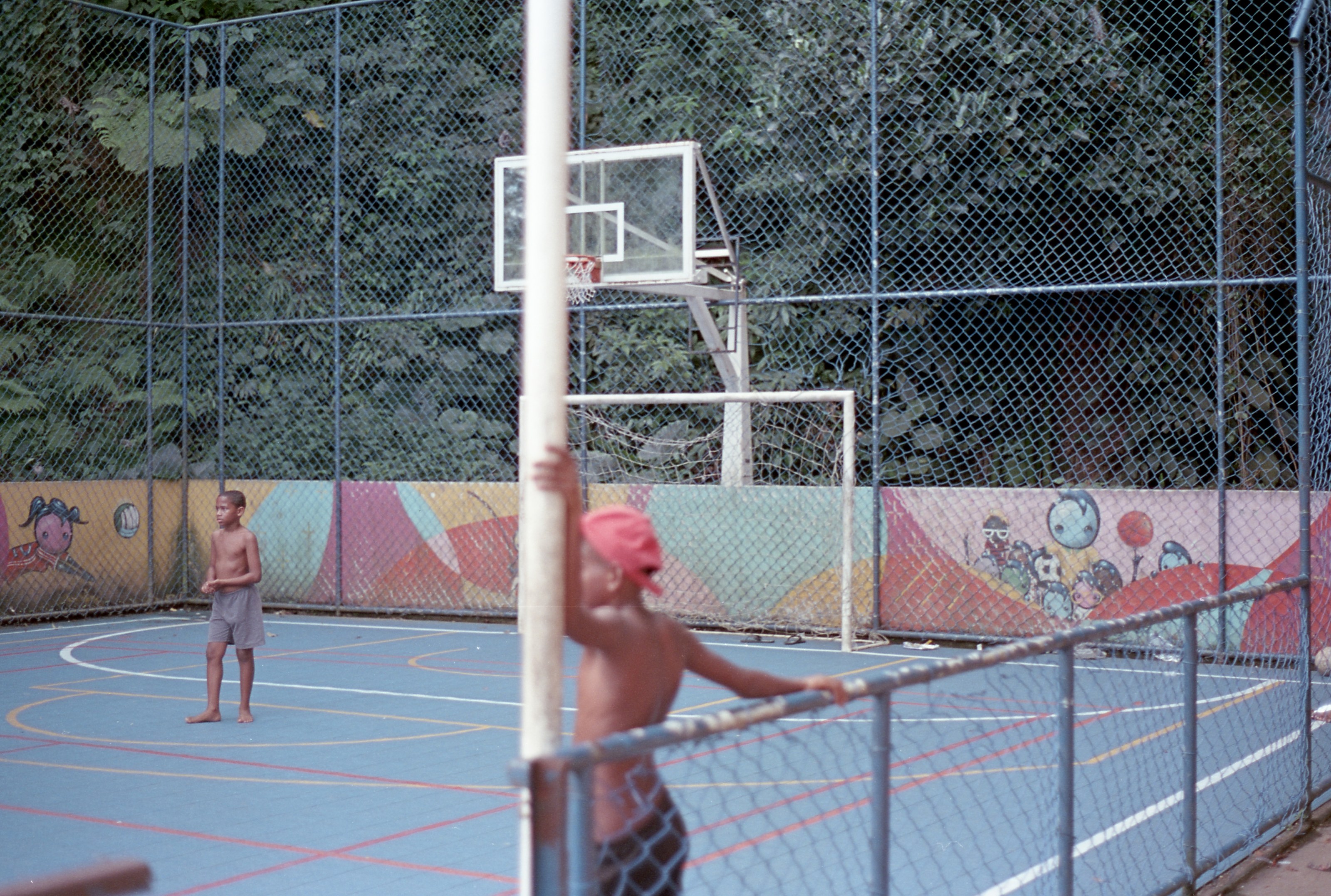
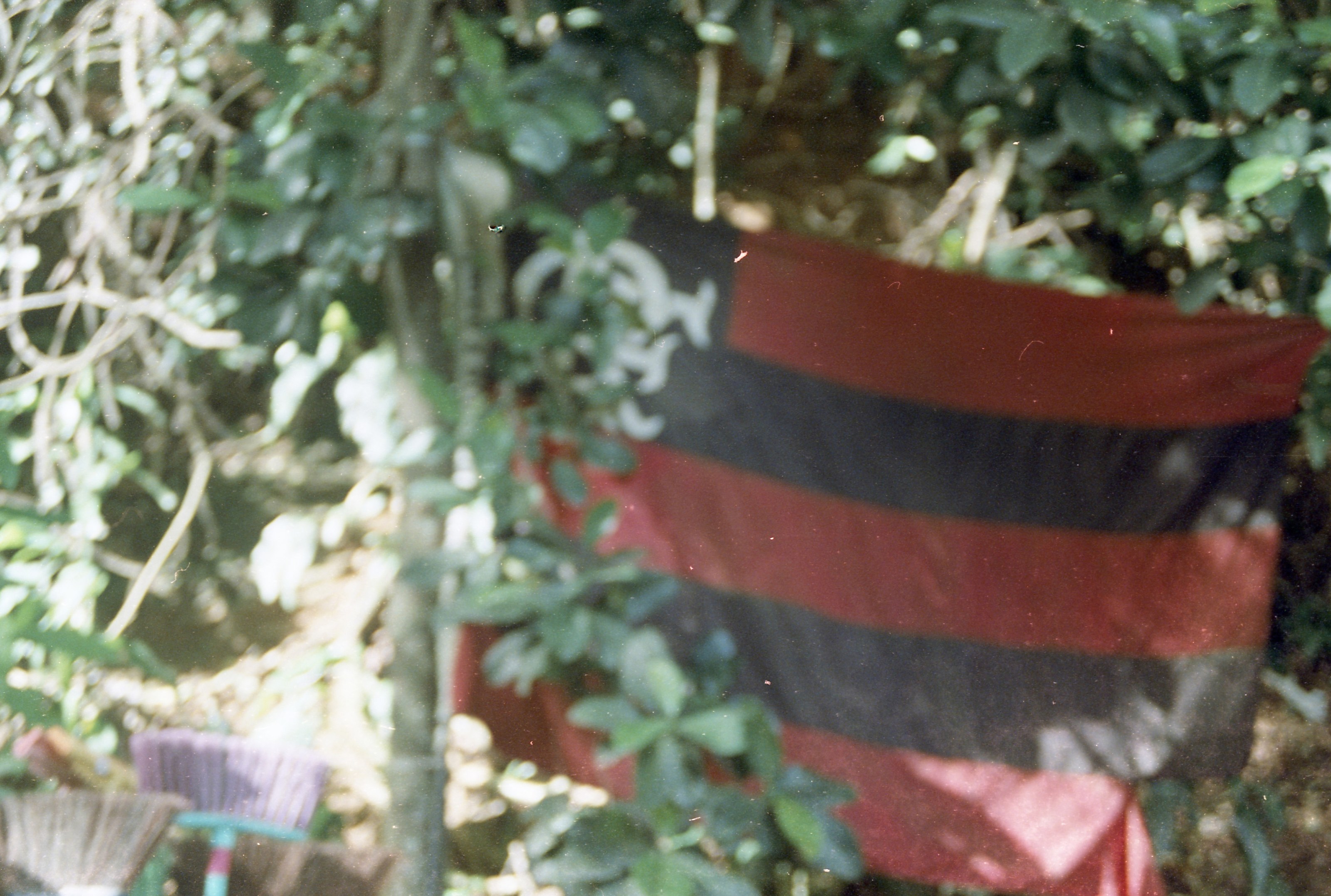
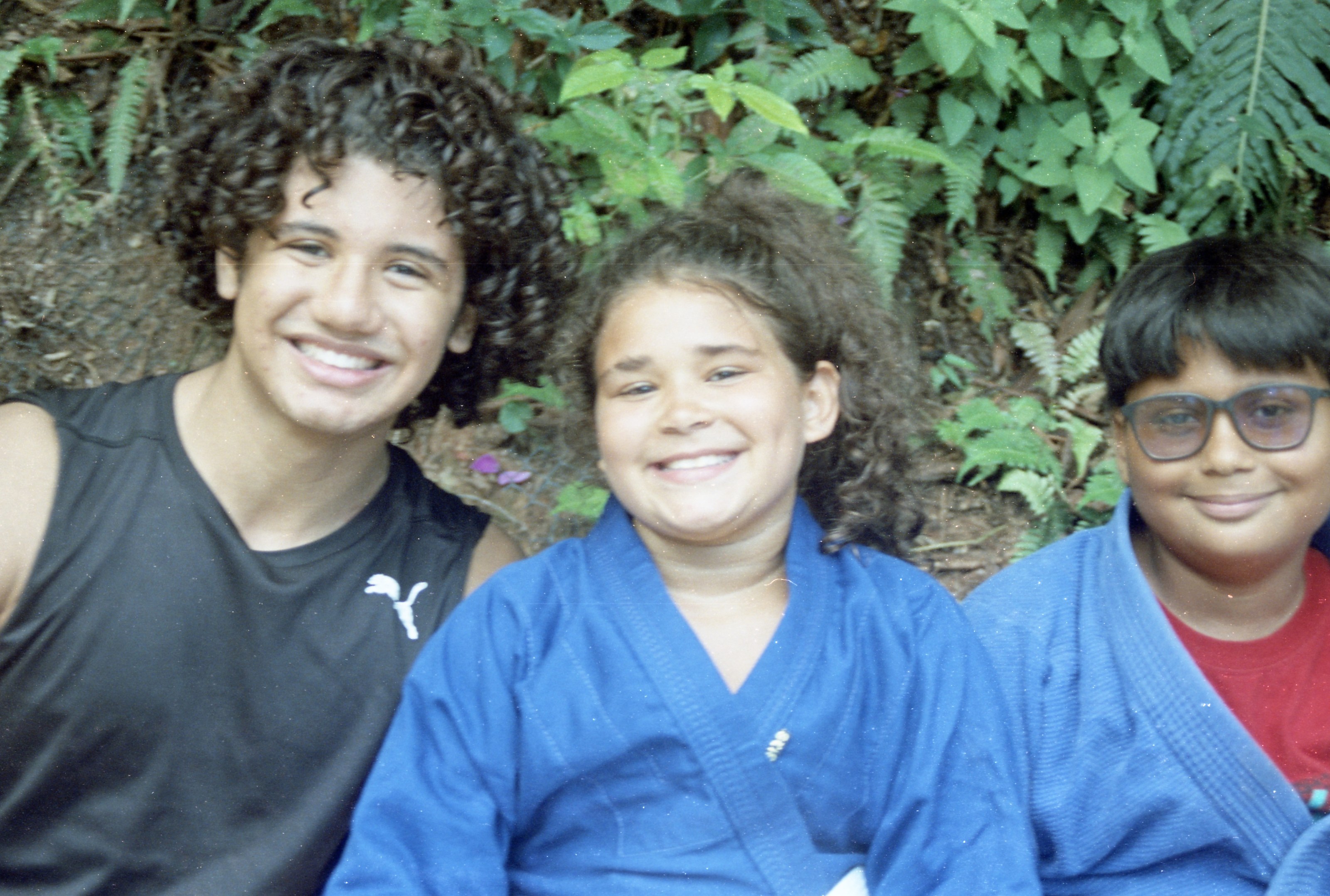
A place where children and adults come to play sport, with a Flamengo flag at the entrance. In 2024, the young participants photographed their friends here.
see in the project2024 · vibe da rocinha
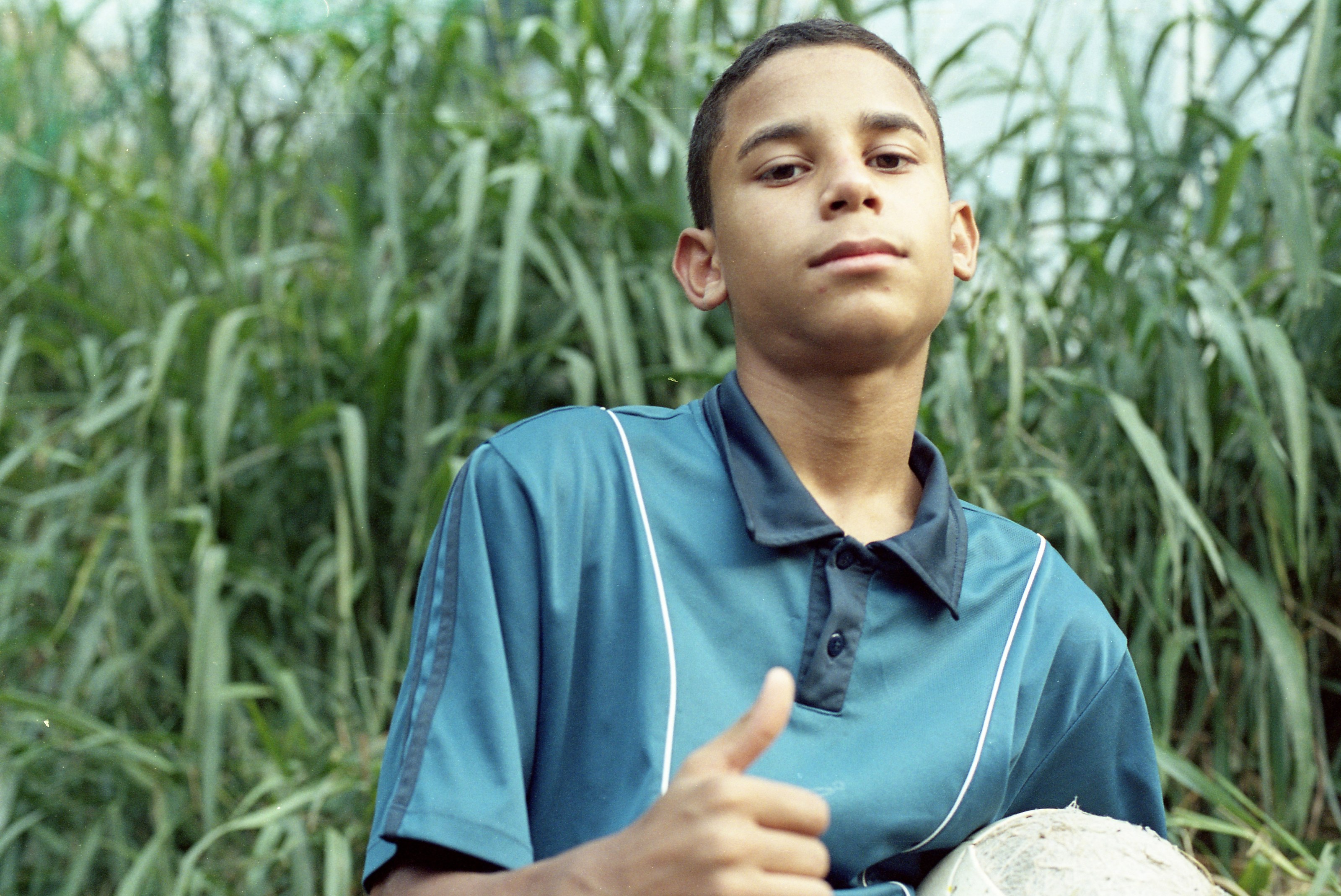
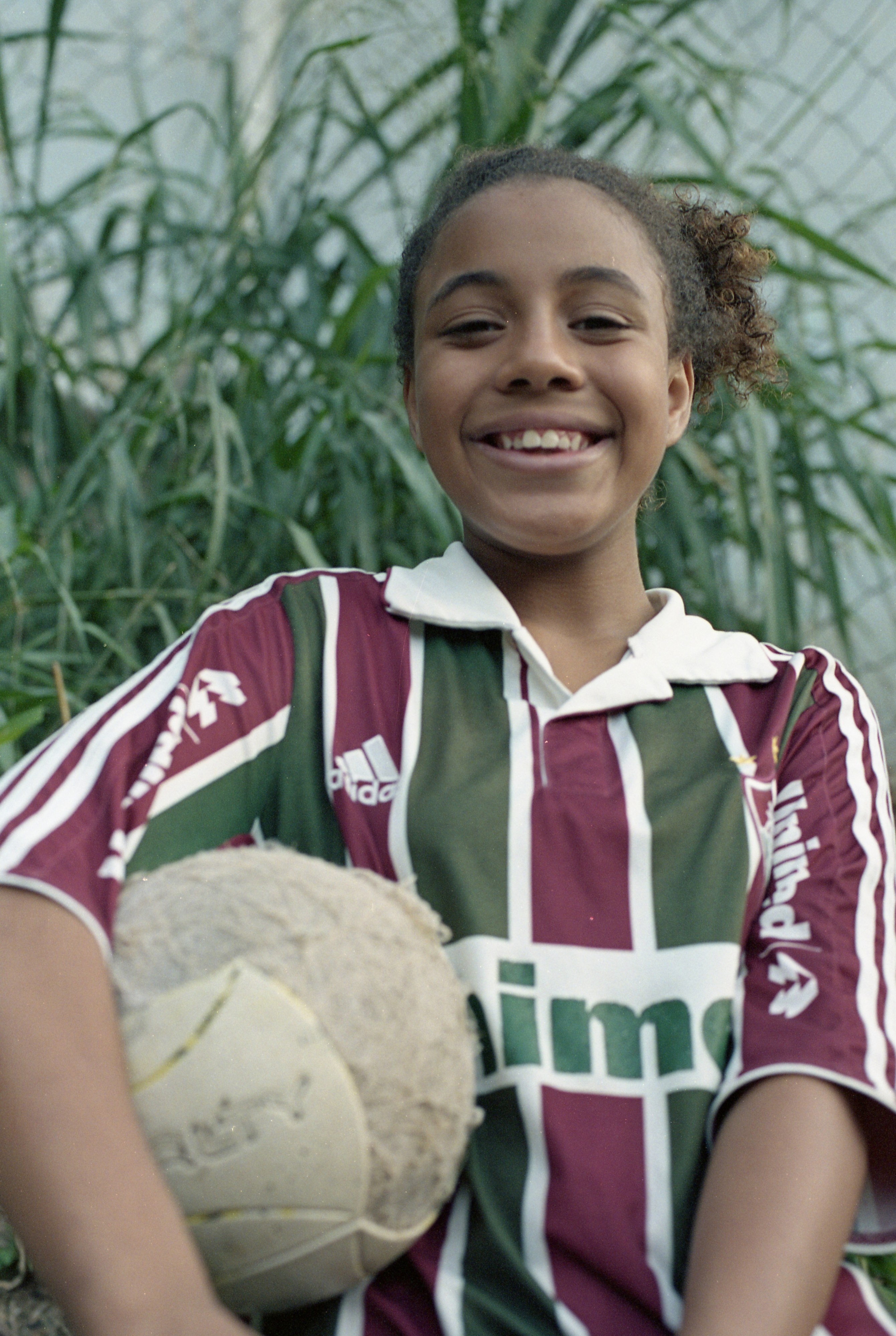
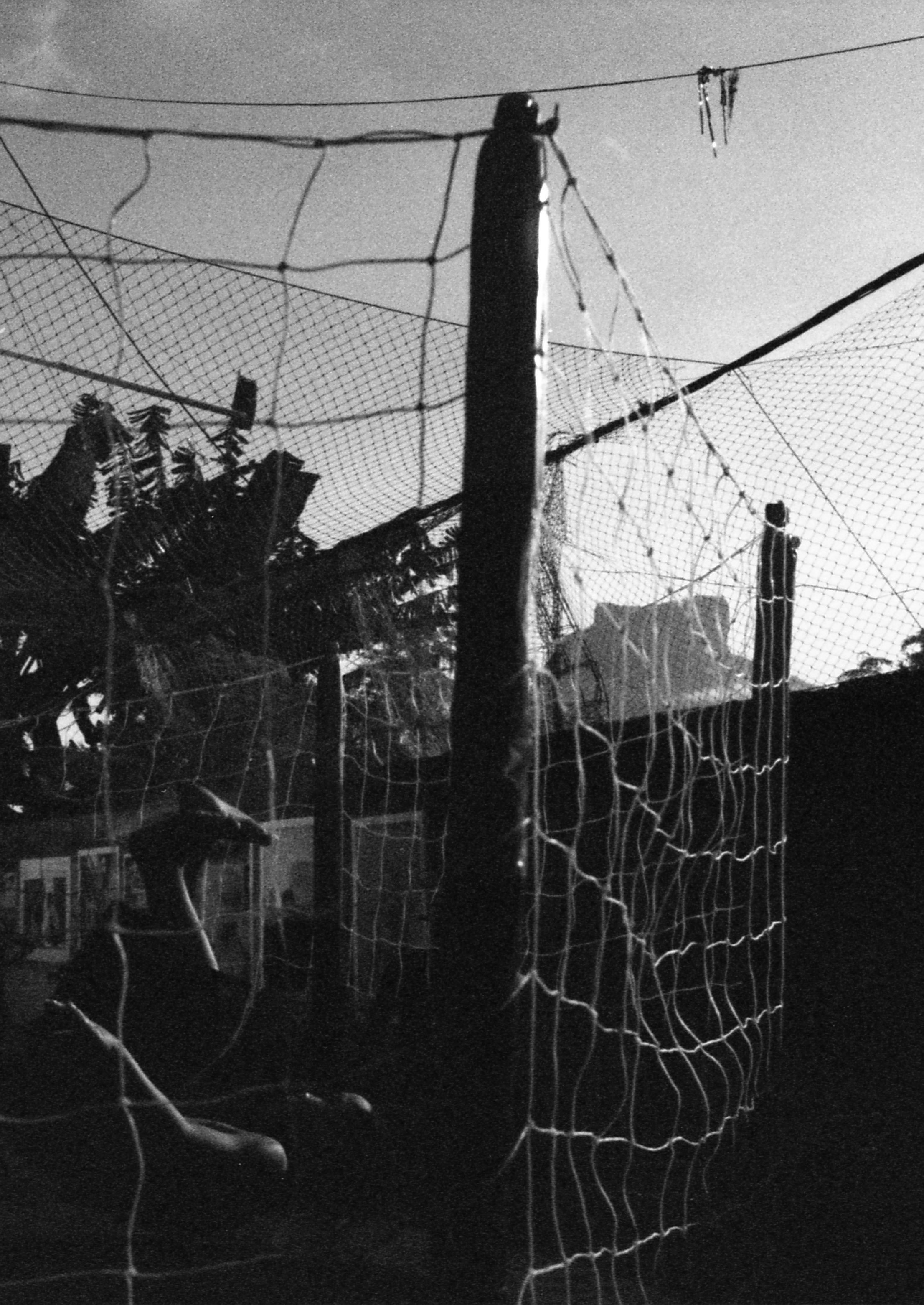
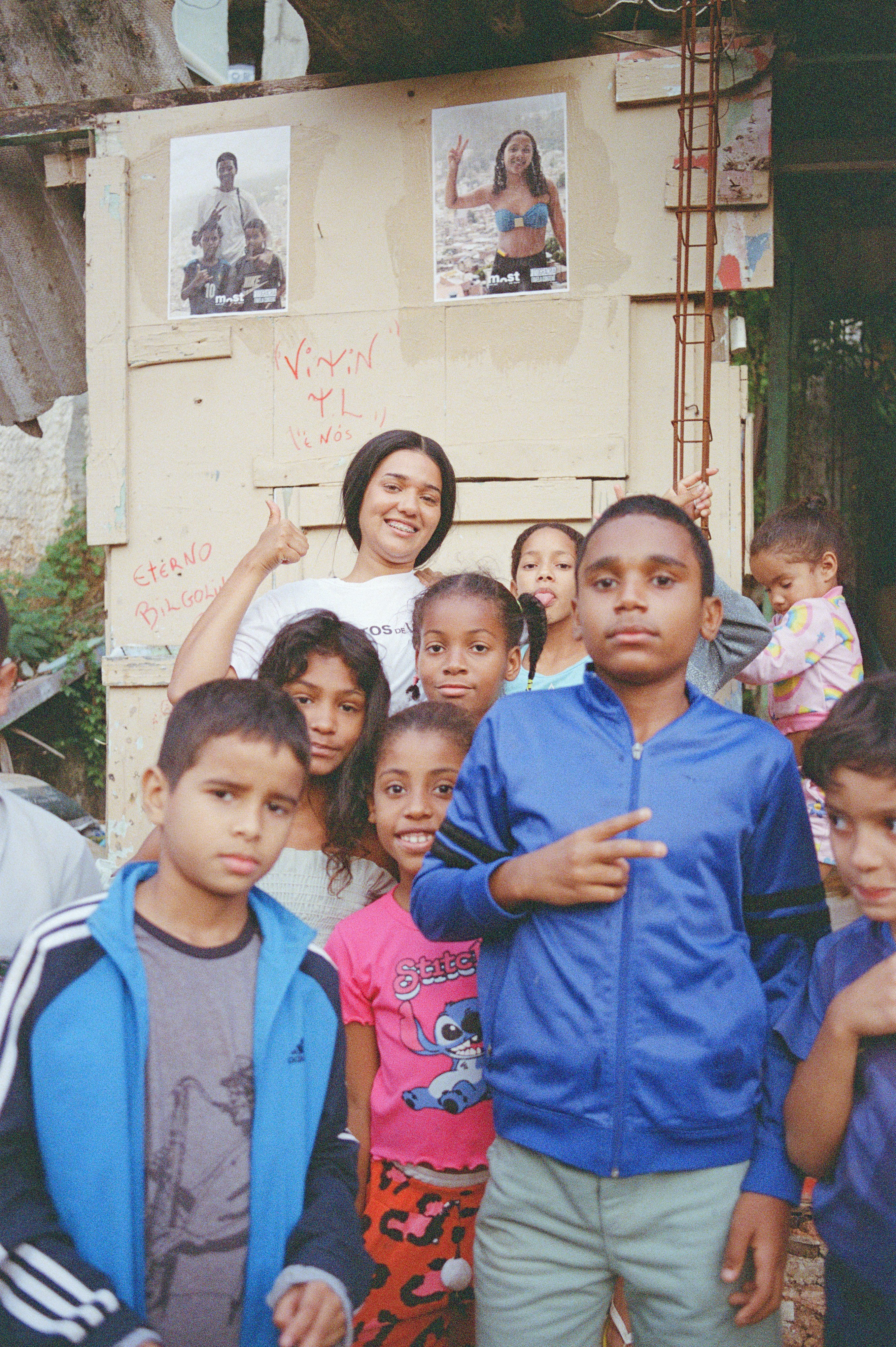
Up high, on the Morro Dois Irmãos side, the sports court everyone calls the T.L. (Terra da Lama). This is where the “viver é um luxo” workshops took place, with the children of the T.L.
see in the project2025 · viver é um luxo 2025-2026 · os menor da rua 4
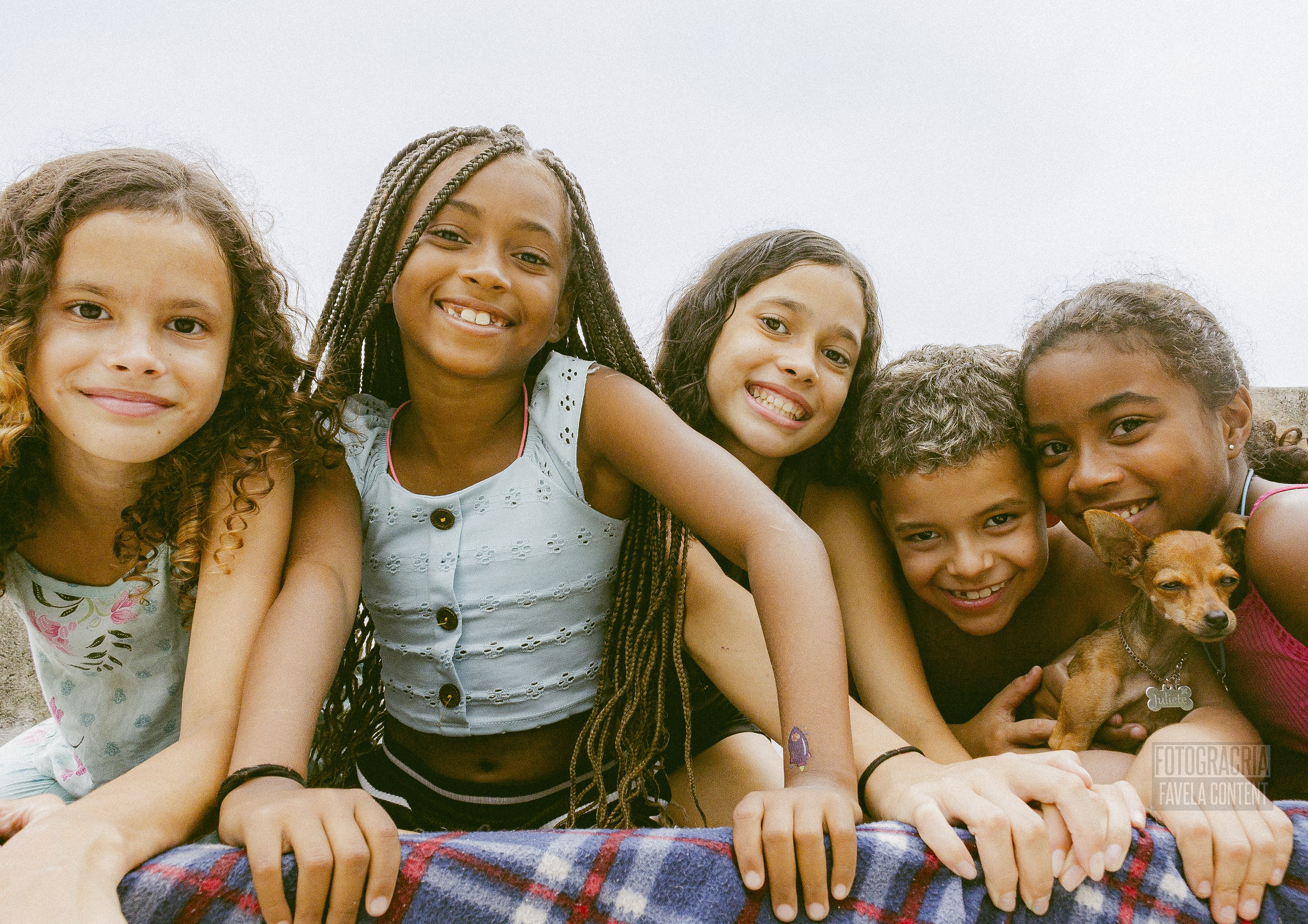
High on the western slope, at the edge of the forest. Children play on a laje in Dionéia, in winter: “kurumins, the future of Rocinha”.
see in the project2025 · viver é um luxo
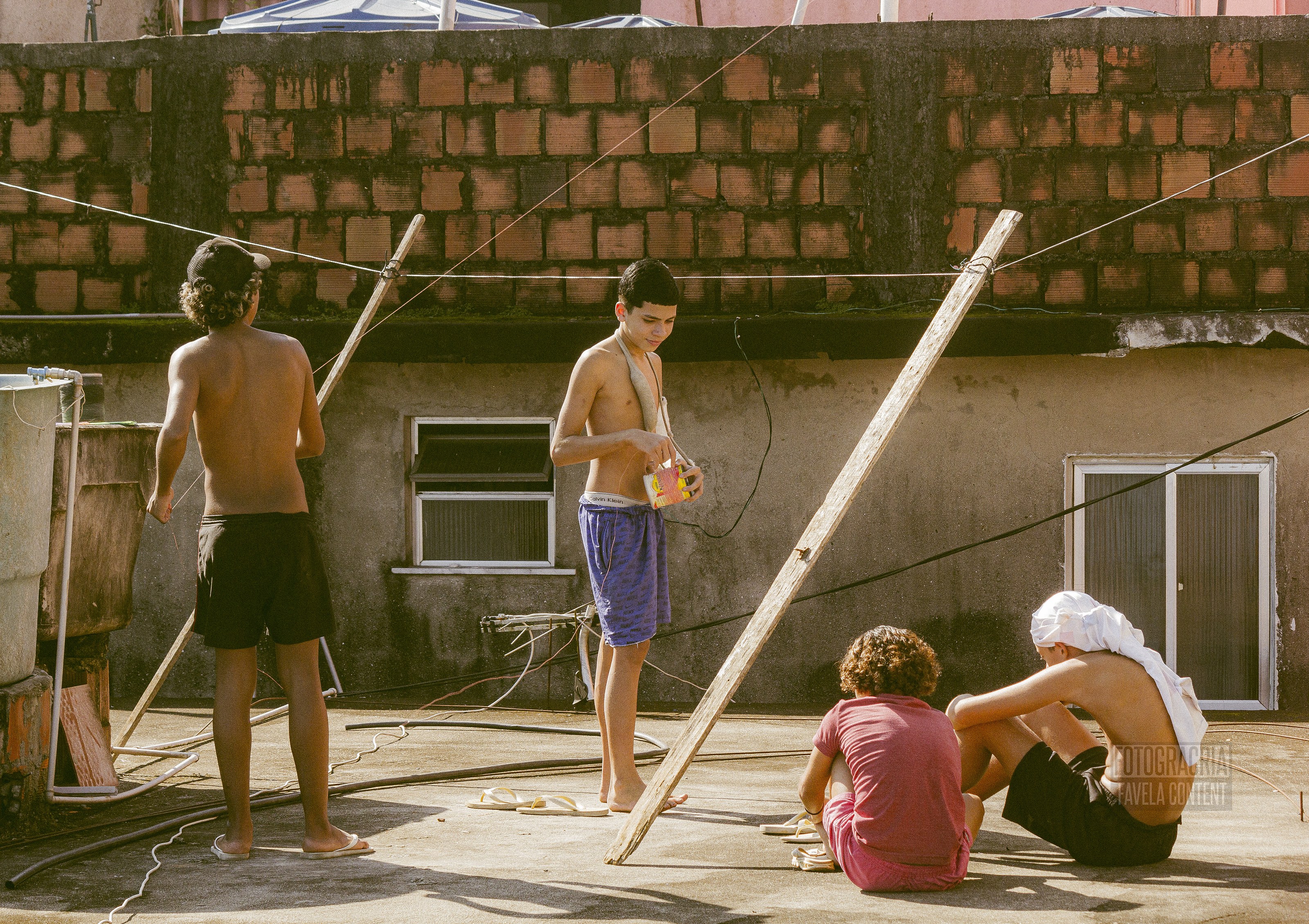
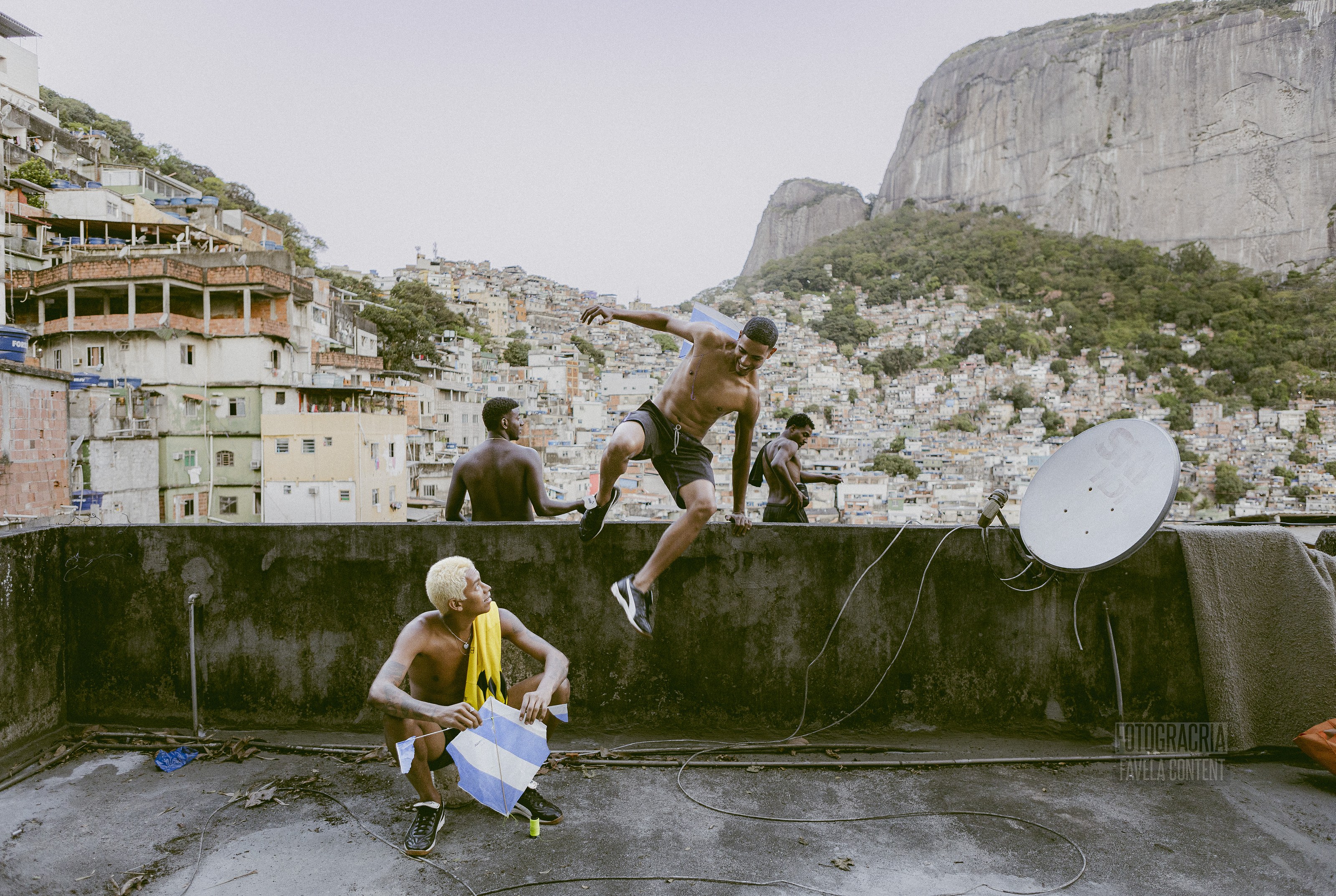
Its laje, where kites fly, and its big shower, where the crias cool off on hot days.
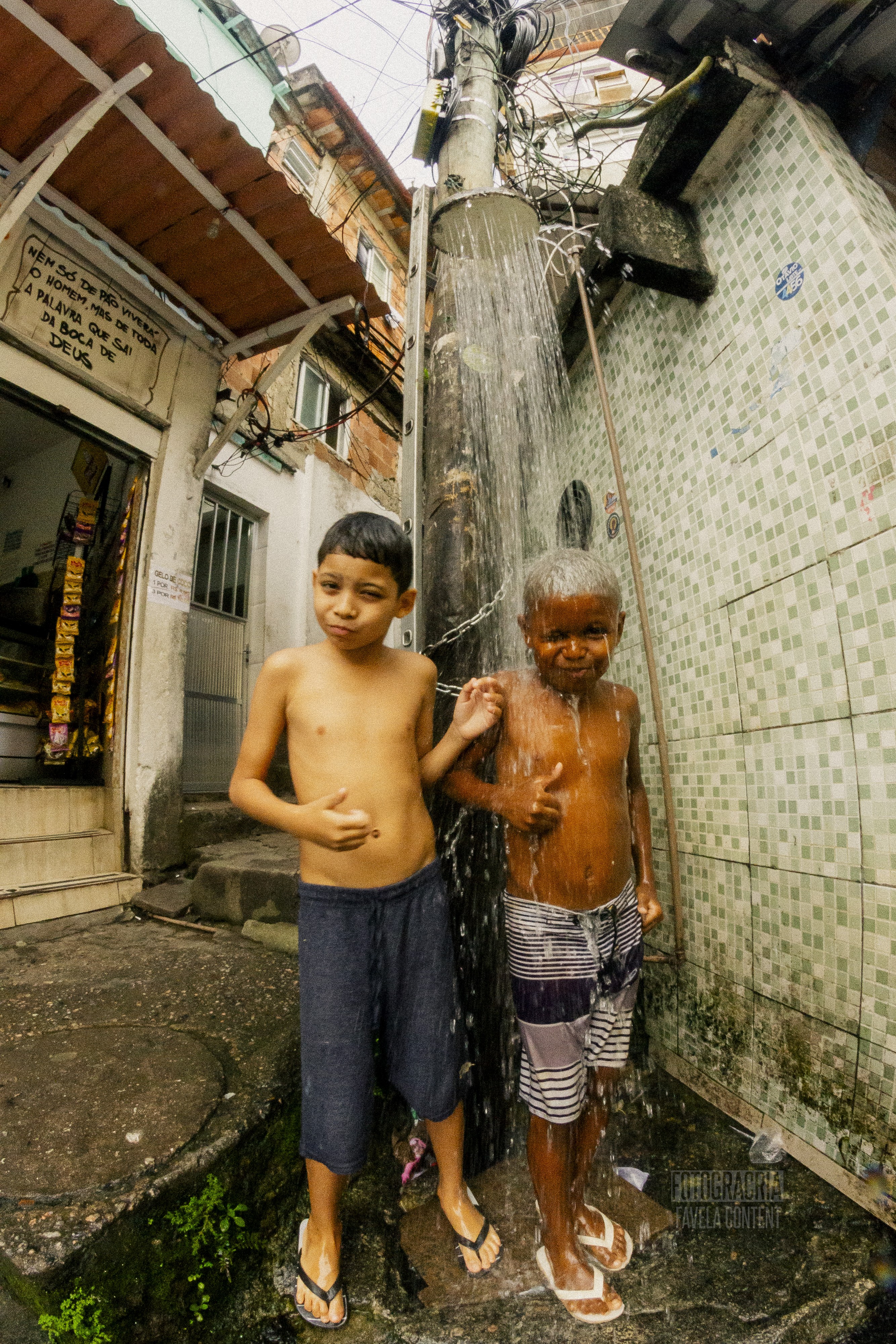
see in the project2025 · viver é um luxo
Where Fotogracria grew up. Once narrow alleys, now a steep street for motorbikes, skateboards and the Salão dos Crias. The heart of “os menor da rua 4”.
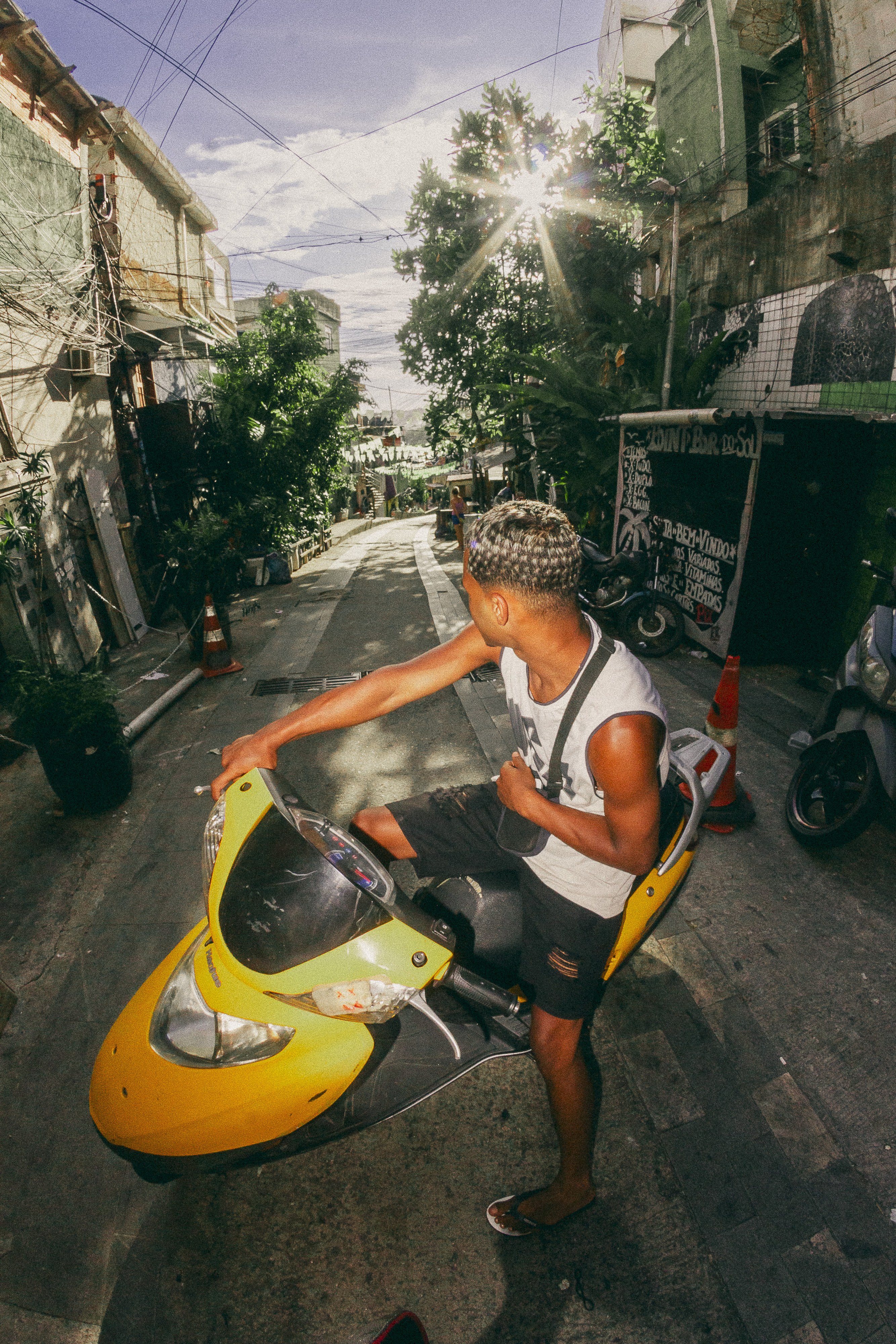
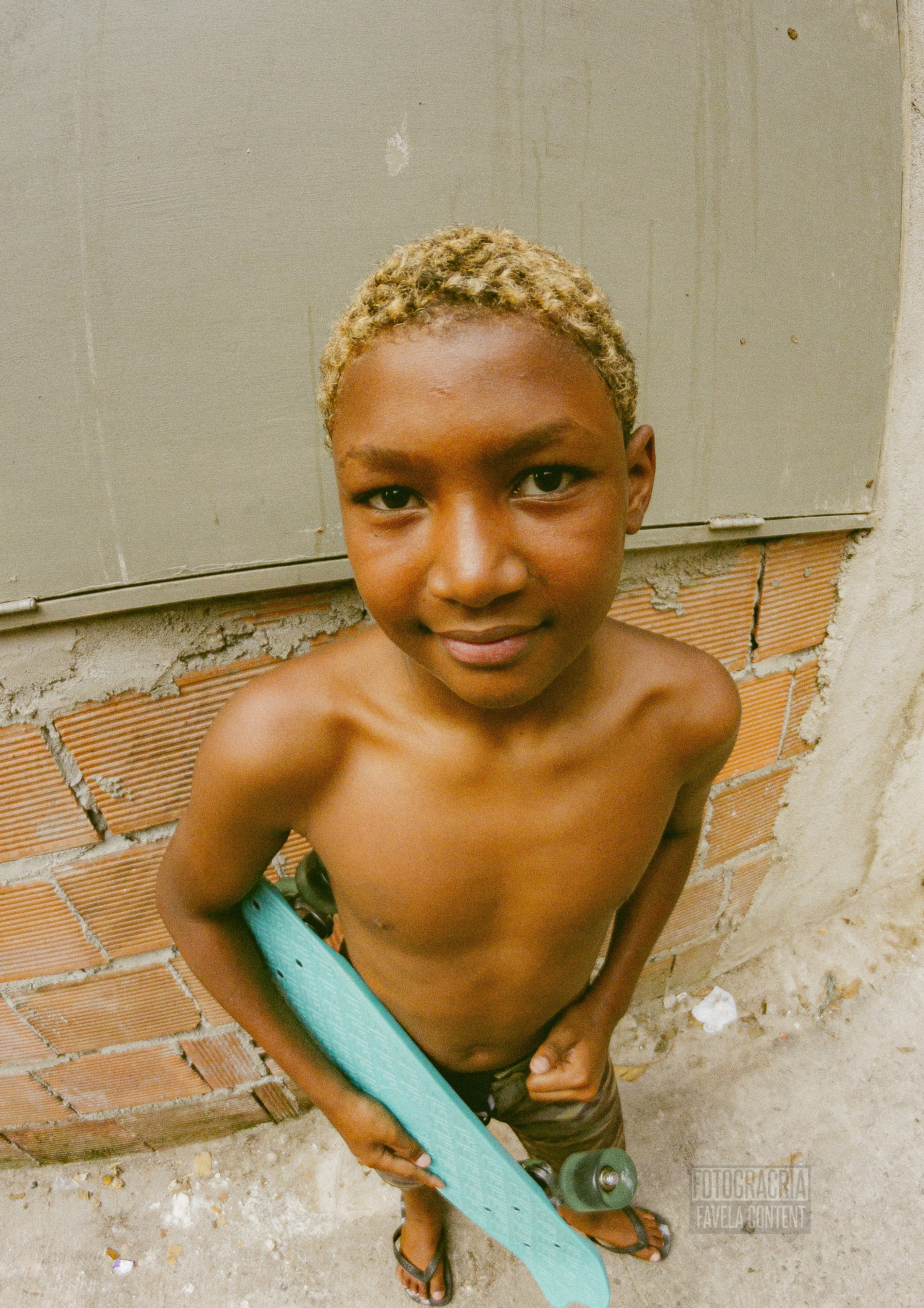
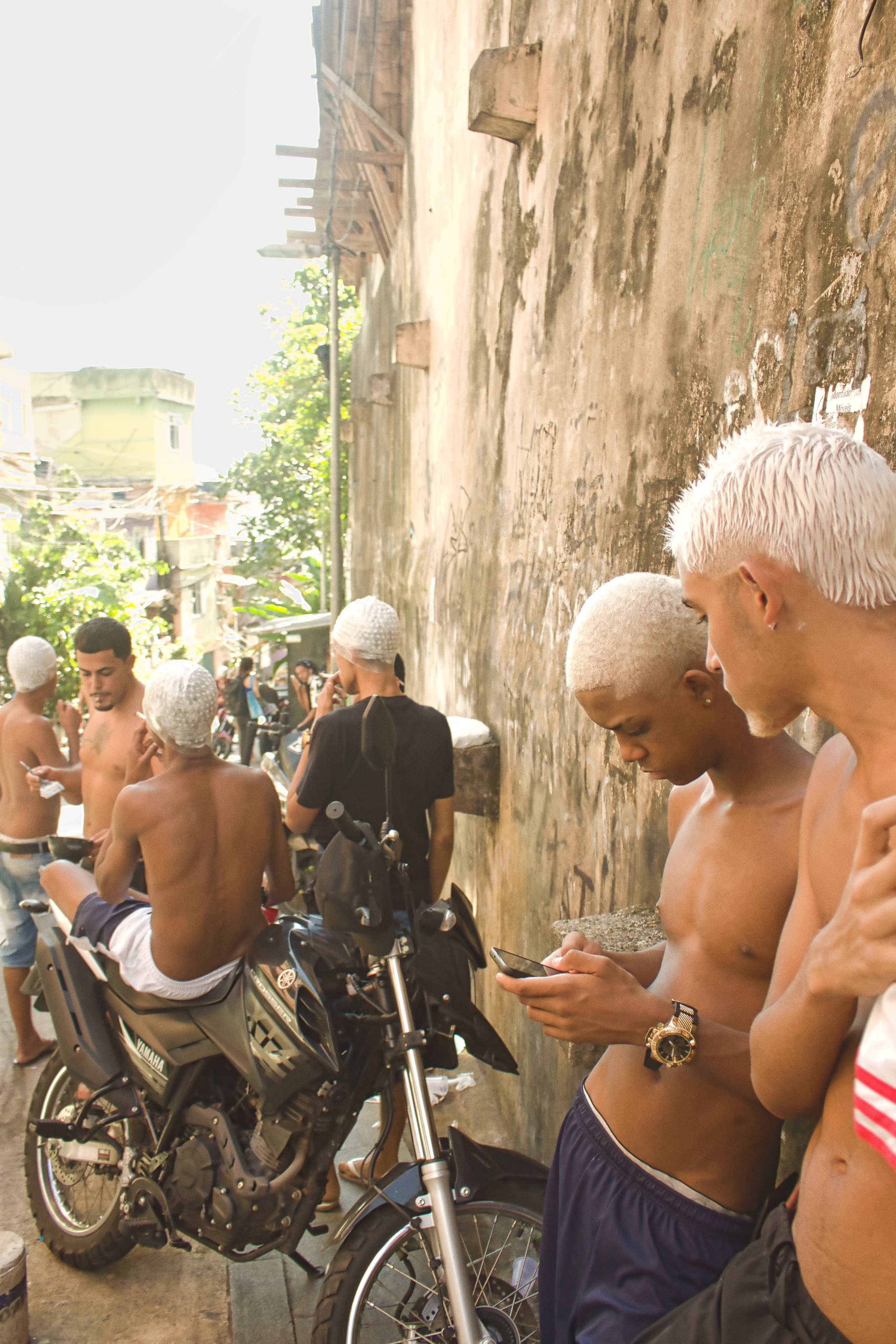
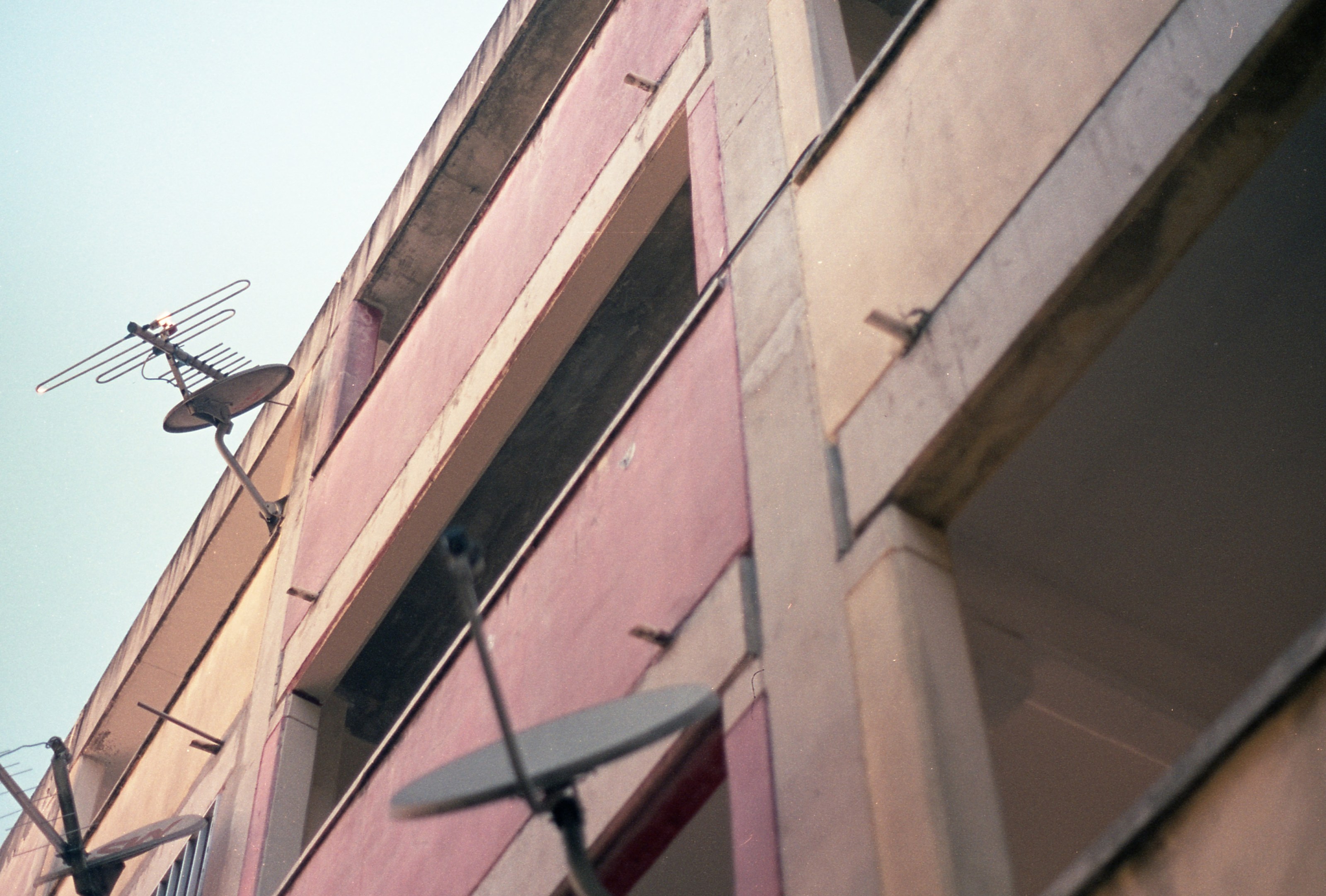
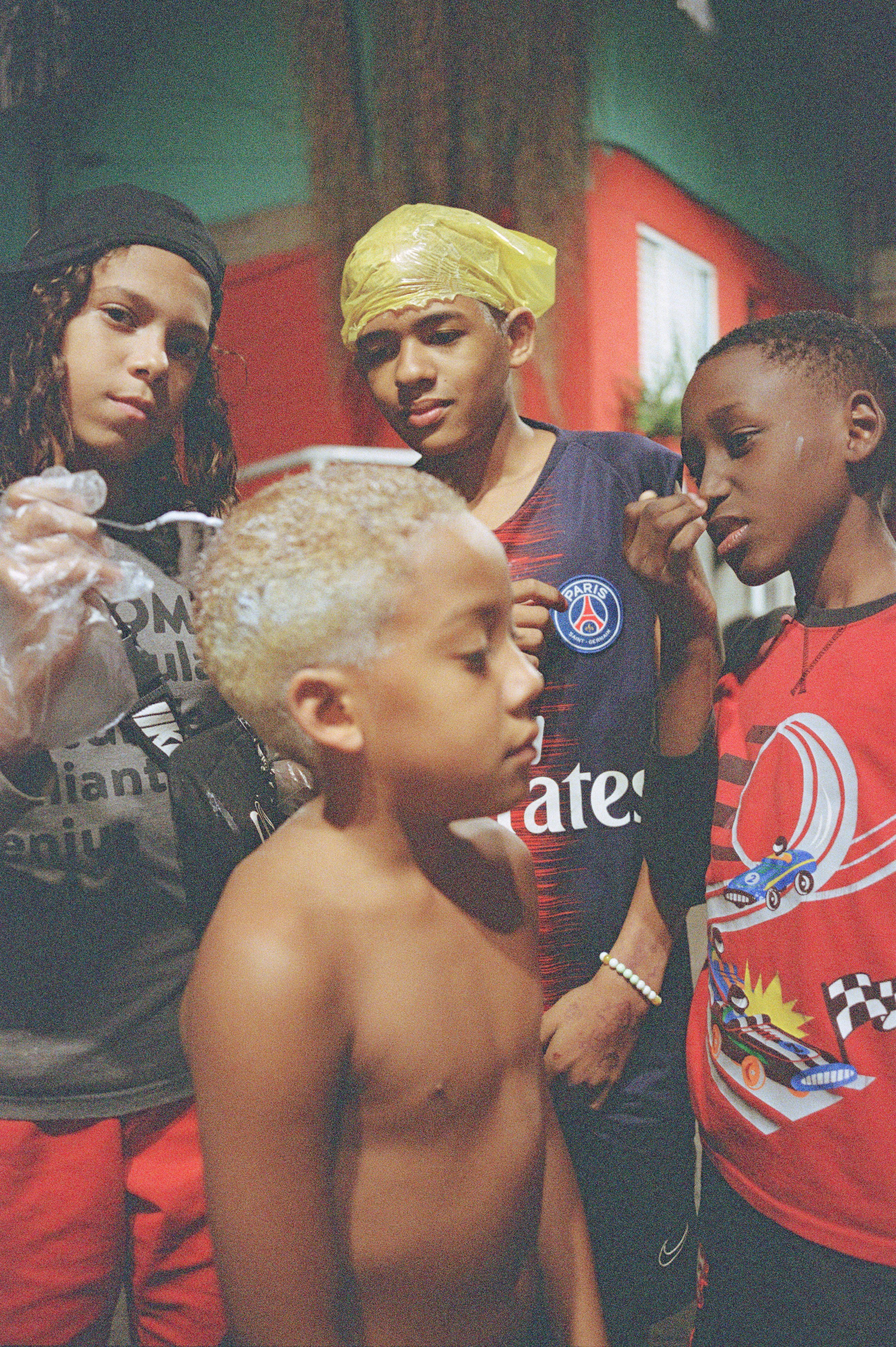
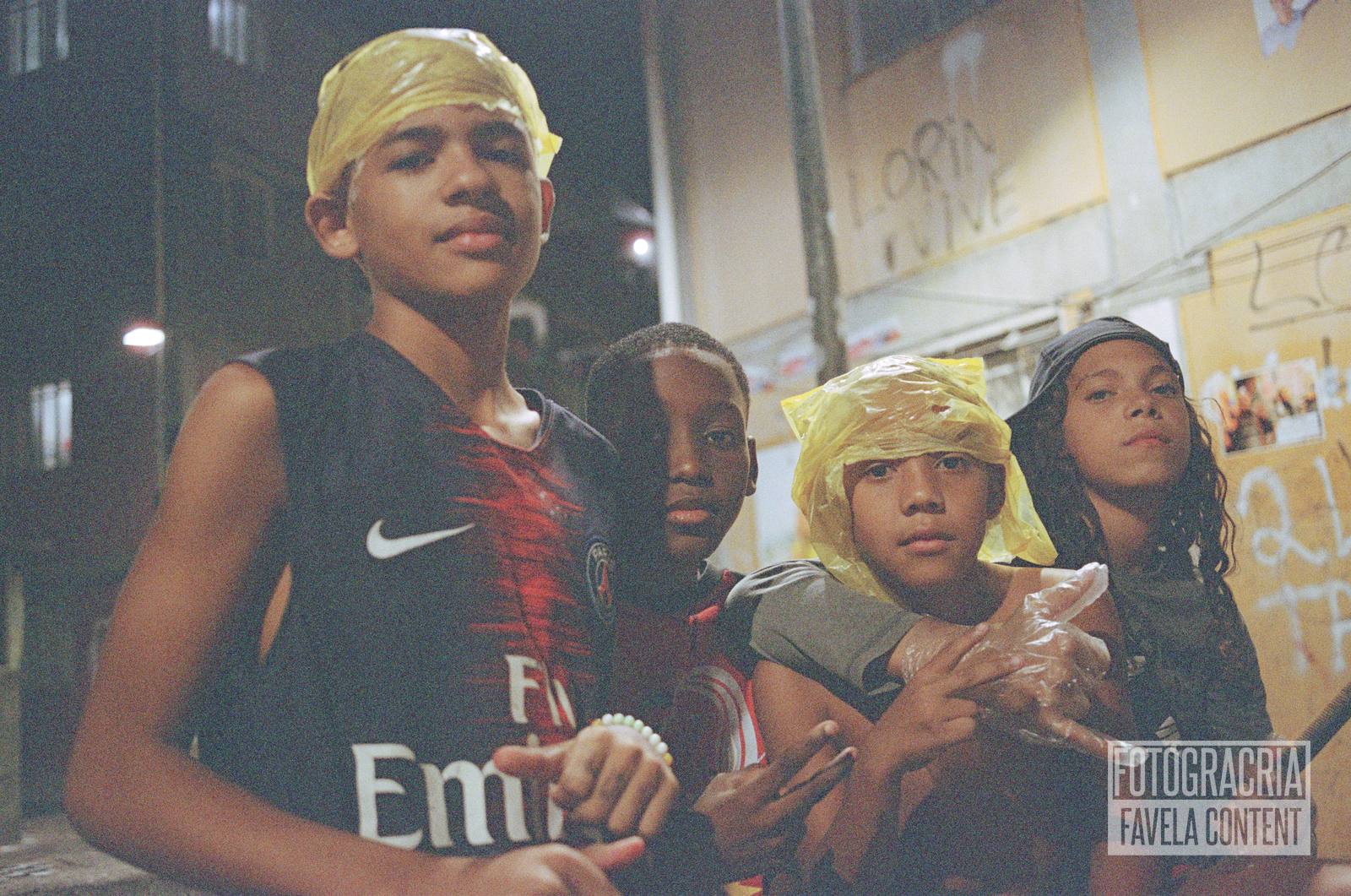
see in the project2024 · vibe da rocinha 2025 · viver é um luxo 2025-2026 · os menor da rua 4
The big bend of the Estrada da Gávea, the road that runs right through Rocinha. A view that comes back from one project to the next: “vibe da rocinha” in 2024, then “os menor da rua 4”.
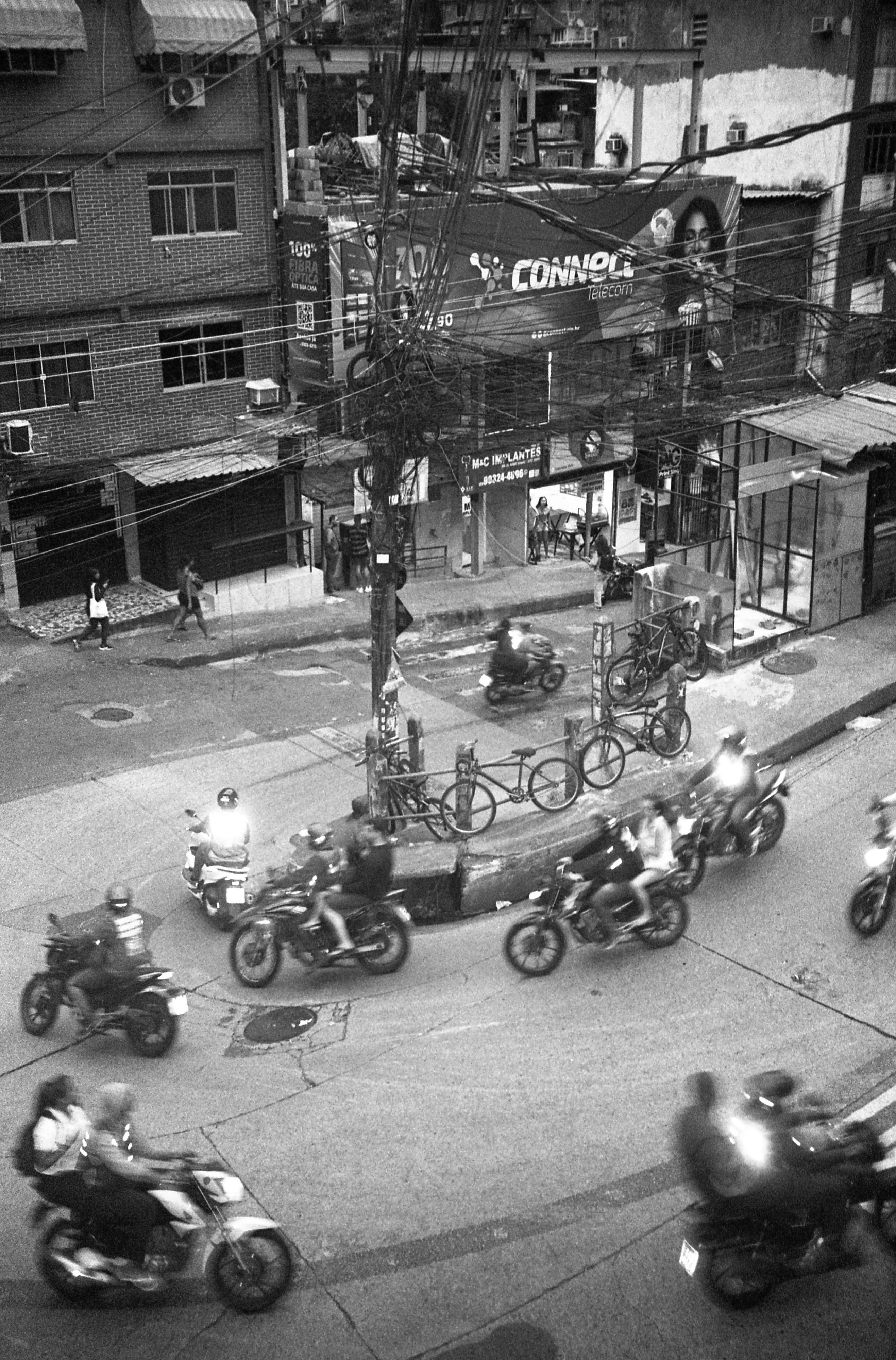
see in the project2024 · vibe da rocinha 2025-2026 · os menor da rua 4
Halfway up, on the western side. On Christmas Day 2020, during a painting session, Breno crosses the street with a spray can in his hand.
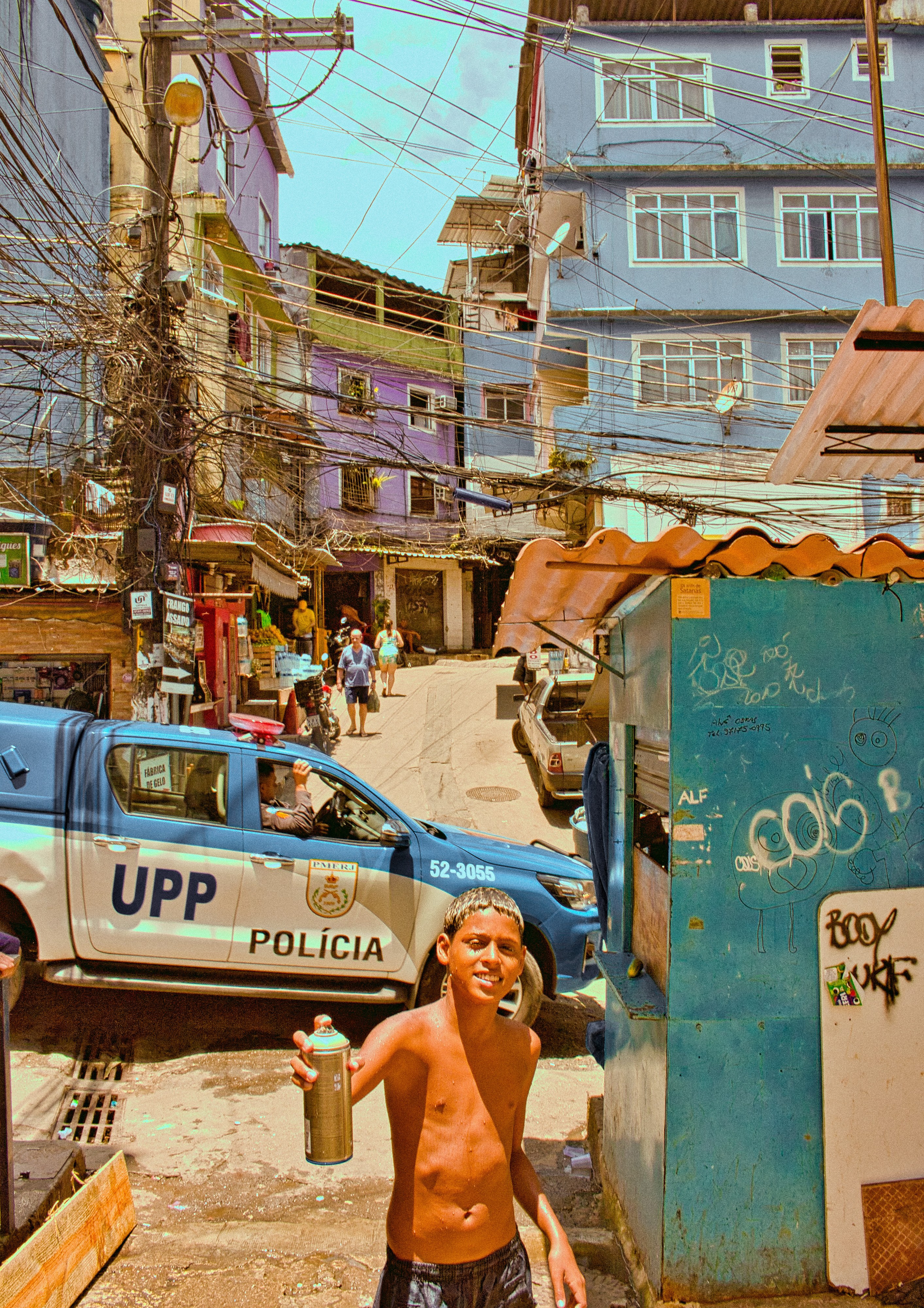
see in the project2025 · viver é um luxo
In the lower part of the favela, the becos along the Valão, the canal that gives the area its name. Breno and Brian play The King of Fighters at a barber’s.
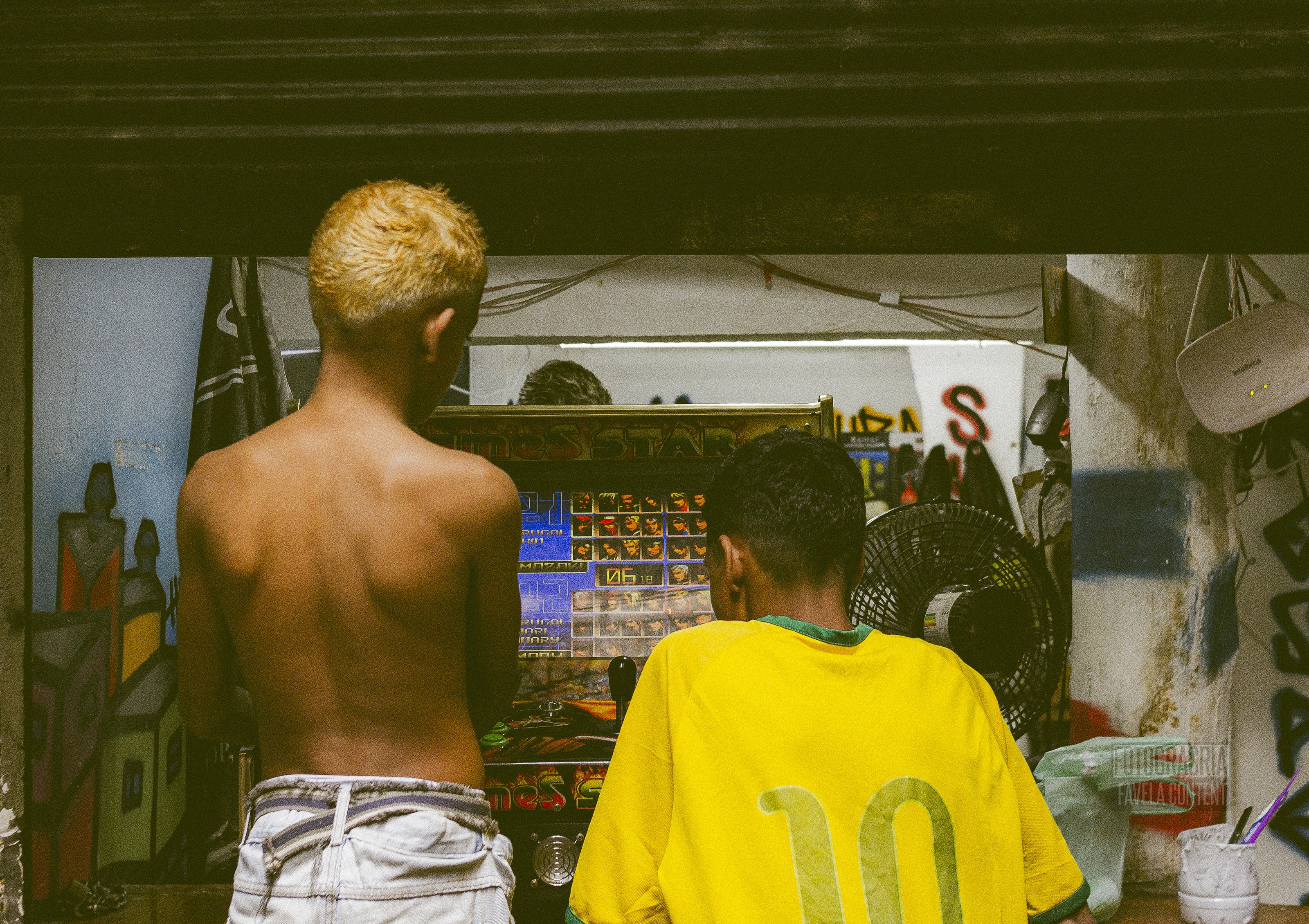
see in the project2025 · viver é um luxo
A square in the lower part of the favela, on the São Conrado side. WB dances passinho on Ruan’s laje, and Bruno smiles before heading to the beach.
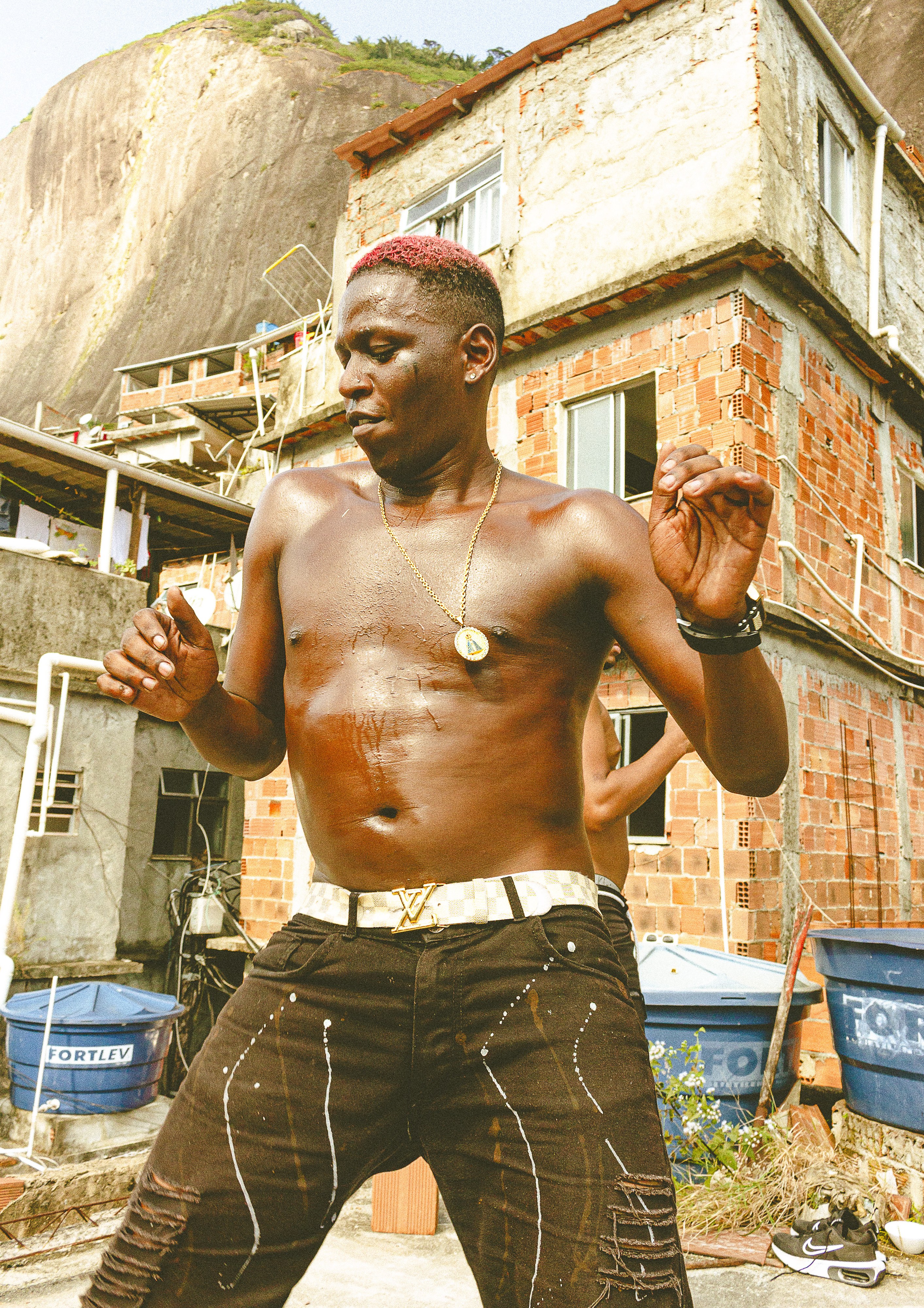
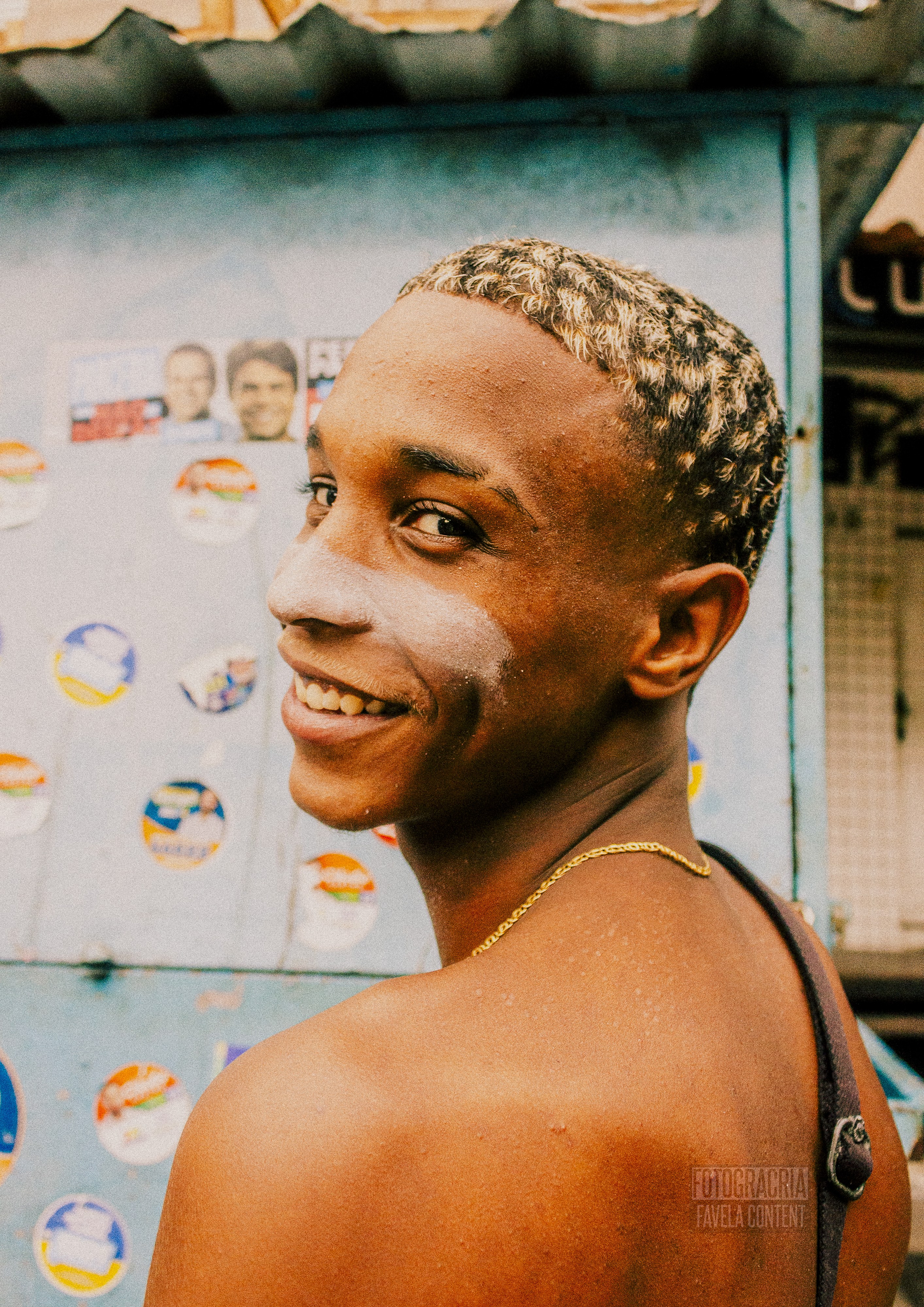
see in the project2025 · viver é um luxo
The neighbouring favela, on the other side of Morro Dois Irmãos. Fotogracria photographed MC Poze there, smiling behind the scenes of a video shoot.
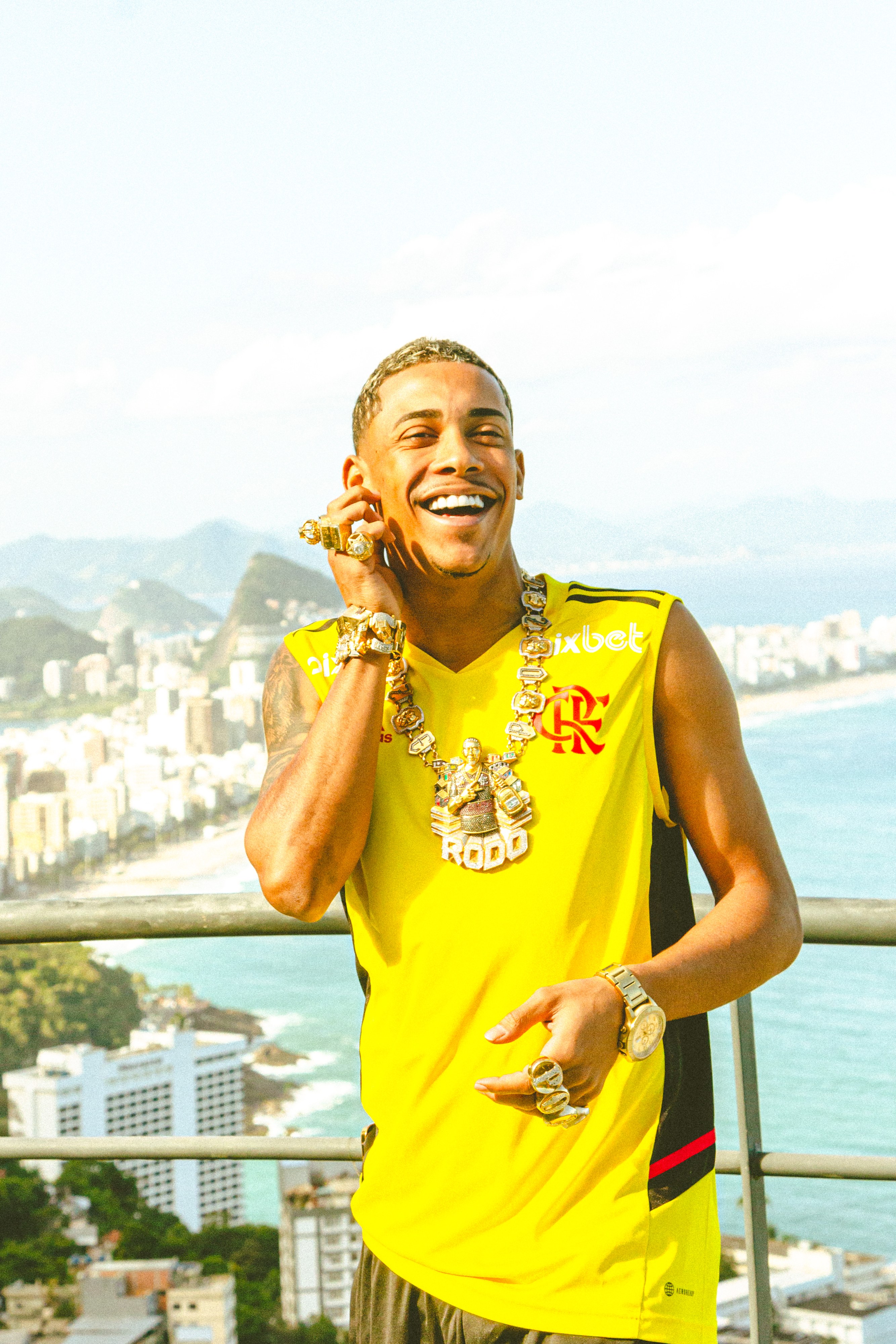
see in the project2025 · viver é um luxo
Six rooms, ten walls, an exhibition pasted across the whole favela: the heart of this site, made with the photographer Fotogracria and the children of the T.L.
Salemm, known as Fotogracria, photographer and creative director, born and raised on Rua 4.
Salemm, known to everyone as Fotogracria, is a photographer and creative director. She was born and raised in Rocinha, on Rua 4. Tired of the negative images of her community, she set out to show the beauty of its alleys through her own eyes as a resident, with creativity and the tools of audiovisual work.
Her images do not come from reportage: they come from a life. Gustavo on his motorbike on the slopes of the new Rua 4, where the narrow alleys they grew up in used to be; the girls dancing funk on the laje of Eliane, her mother; Maquininha, the barber whose path she has followed since 2020. The photographer is inside the picture as much as behind it.
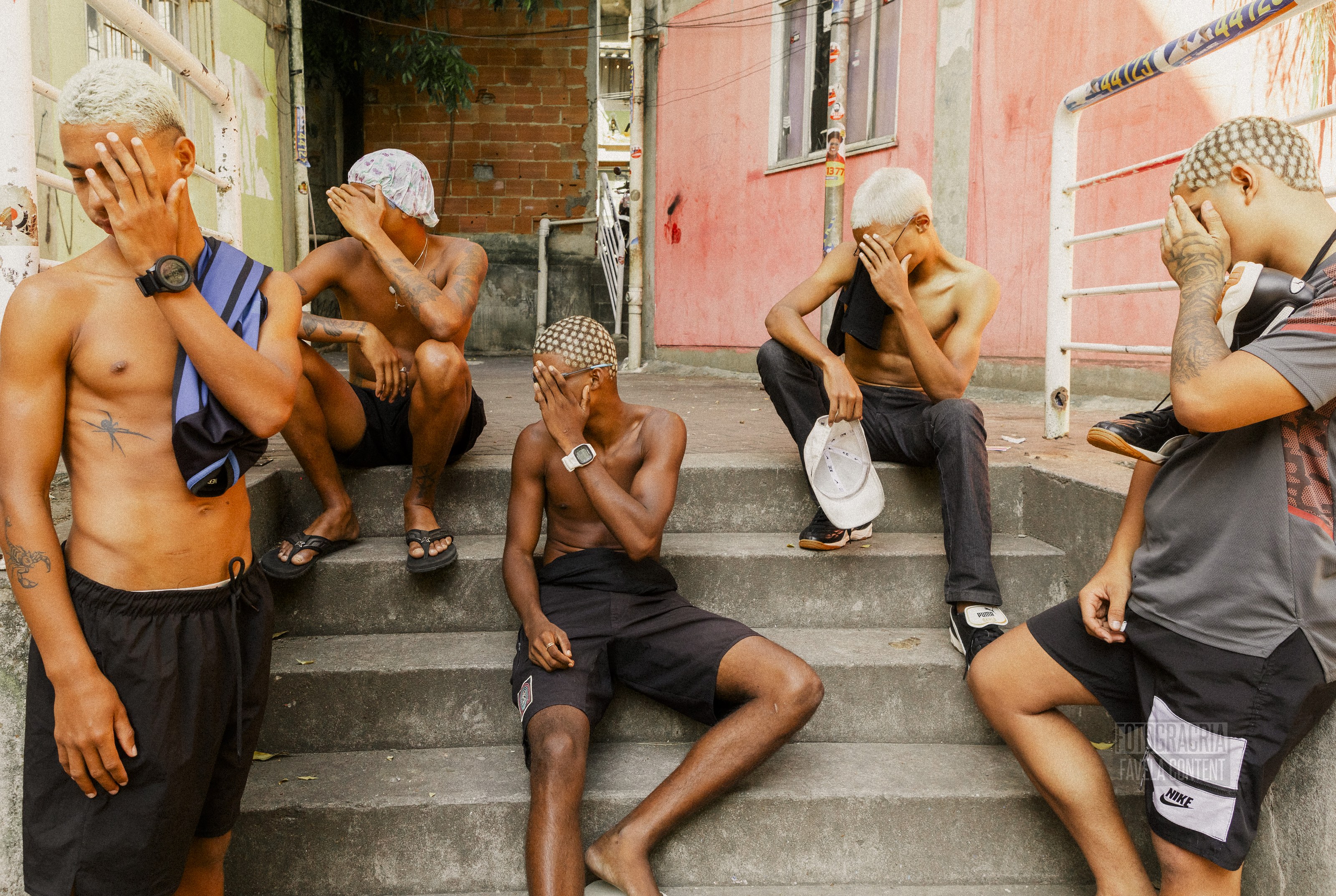
Before it was Rocinha, and before it was even the Quebra Cangalha farm, this hill was Tamoio land in the sixteenth century. Building on that knowledge and on her family archives, Fotogracria started the project “desapagamento” (“un-erasing”): keeping alive the memory of Indigenous peoples and their descendants in the favelas.
The first photograph in the series shows Abeguar on her laje in Laboriô, the highest part of Rocinha, facing Morro Dois Irmãos, next to an embaúba, a hardy tree that matters for the regrowth of the Atlantic Forest.
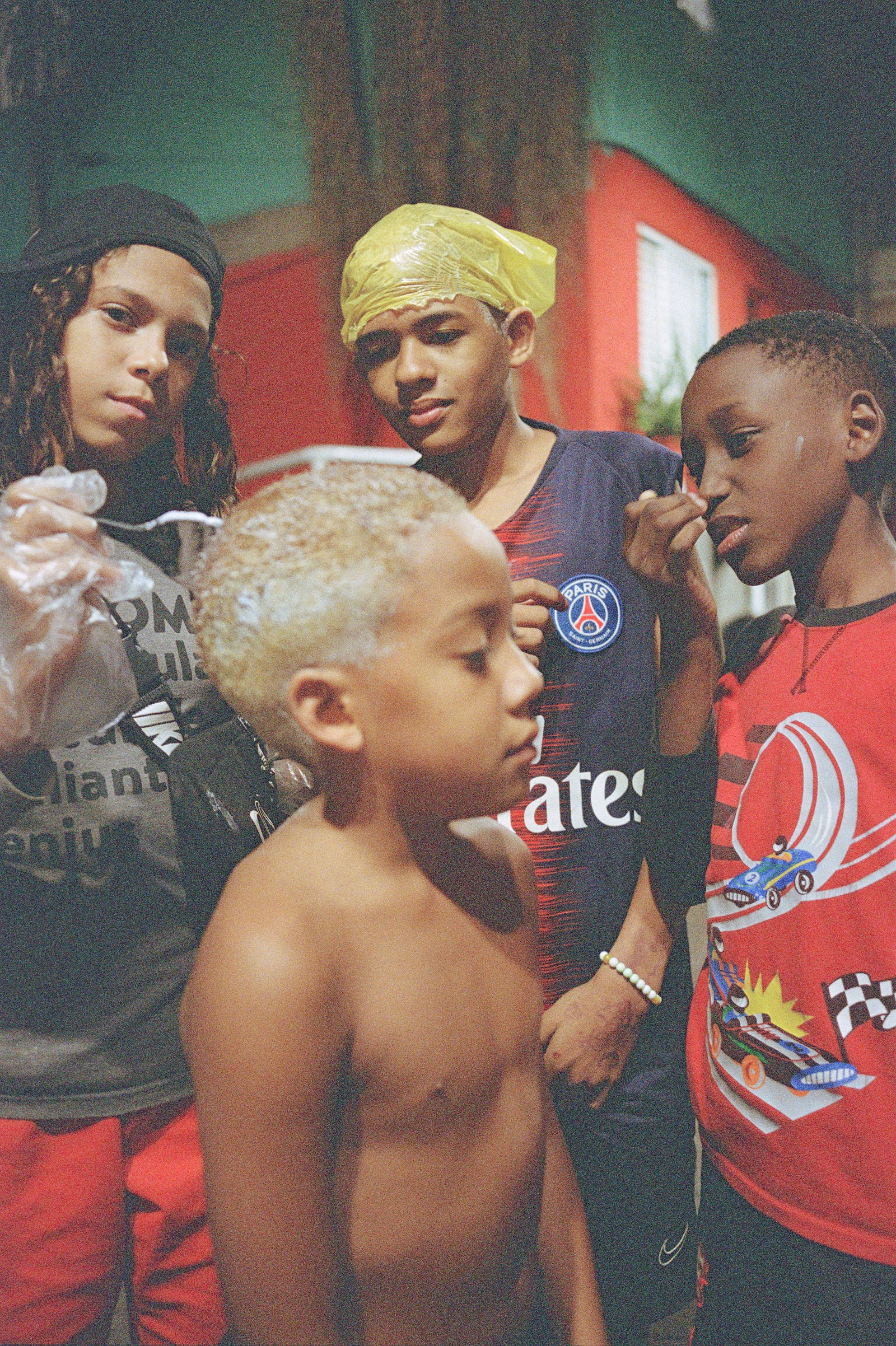
She is also researching the culture of bleached hair in the favelas, and the erasure of Indigenous identity. The “reflexo”, small blond dots made with a perforated salon cap, is for her the mark of someone touched by Guaraci, the Sun; the “nevou”, hair bleached completely white, the mark of someone touched by Jaci, the Moon.
Since 2025, Fotogracria has designed and led the projects together with mOst. She runs the photography and art direction workshops, supports the children as they give their images a title and a caption, shows her own photographs next to theirs, and puts up the exhibitions with them on the hill.
Her way of seeing comes from inside: from the alleys and lajes she knows as a resident. With mOst, that meeting became a method: real co-creation, in which the participants take part in every stage, from the first idea to the pasting.
queremos que a arte aconteça onde as histórias nascem.We want art to happen where the stories begin.
At mOst, a project is never made “about” a neighbourhood: it is built from it, with the people who build it every day. In Rocinha, the workshops were designed as a complete process, from looking to making, from conversation to image.
At each session, the group chose what it wanted to show, how to show it, and which stories deserved to take shape. Nobody wrote in anybody else’s place.
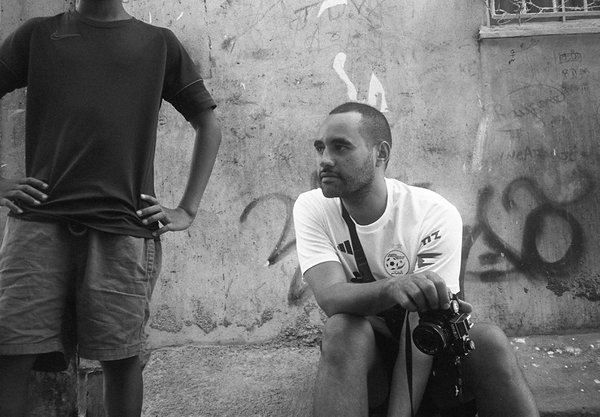
The mOst team takes photographs too, making many images with the young people and beside them: on walks, in workshops, during portrait sessions and while pasting up. These photographs are part of the creative process: they keep a record of the encounters and of the co-creation, and they join the shared archive, alongside the participants’ own.
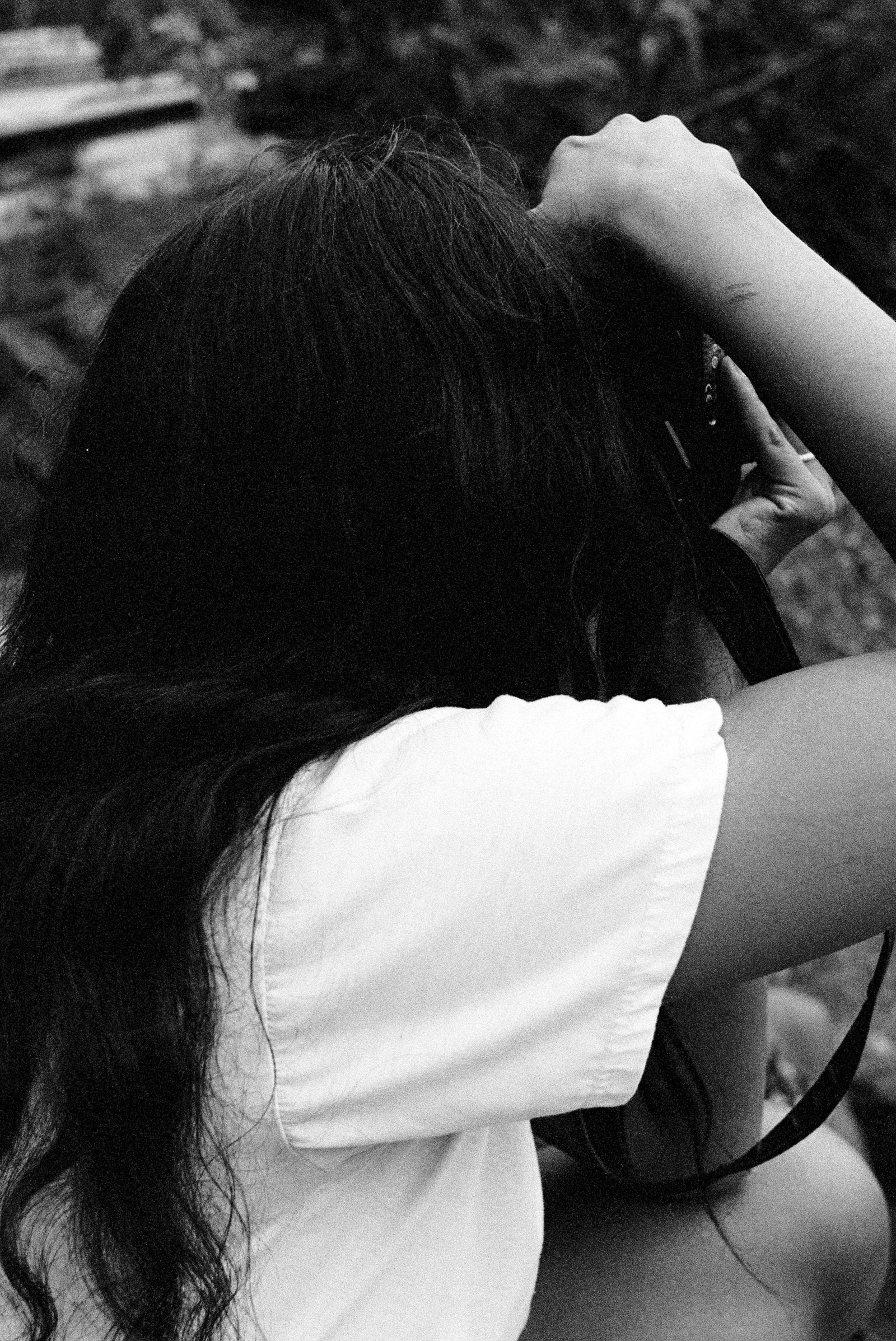
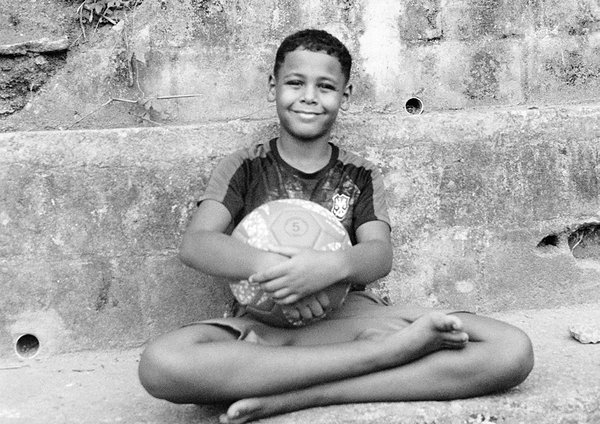
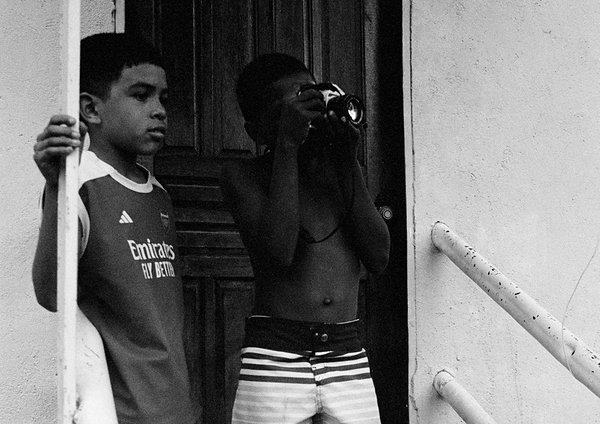
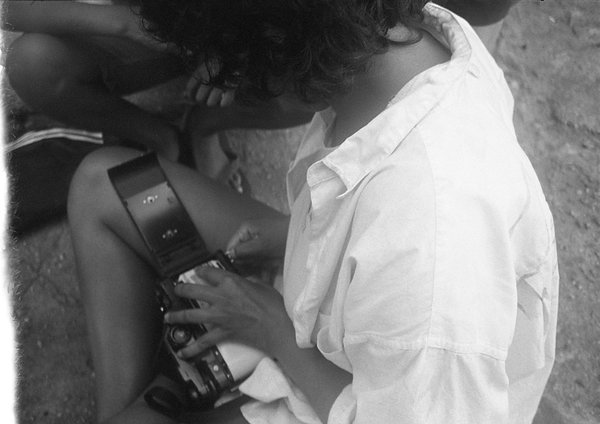
Framing, waiting, choosing. On film and digital, the children photograph their friends, their places, their heroes.
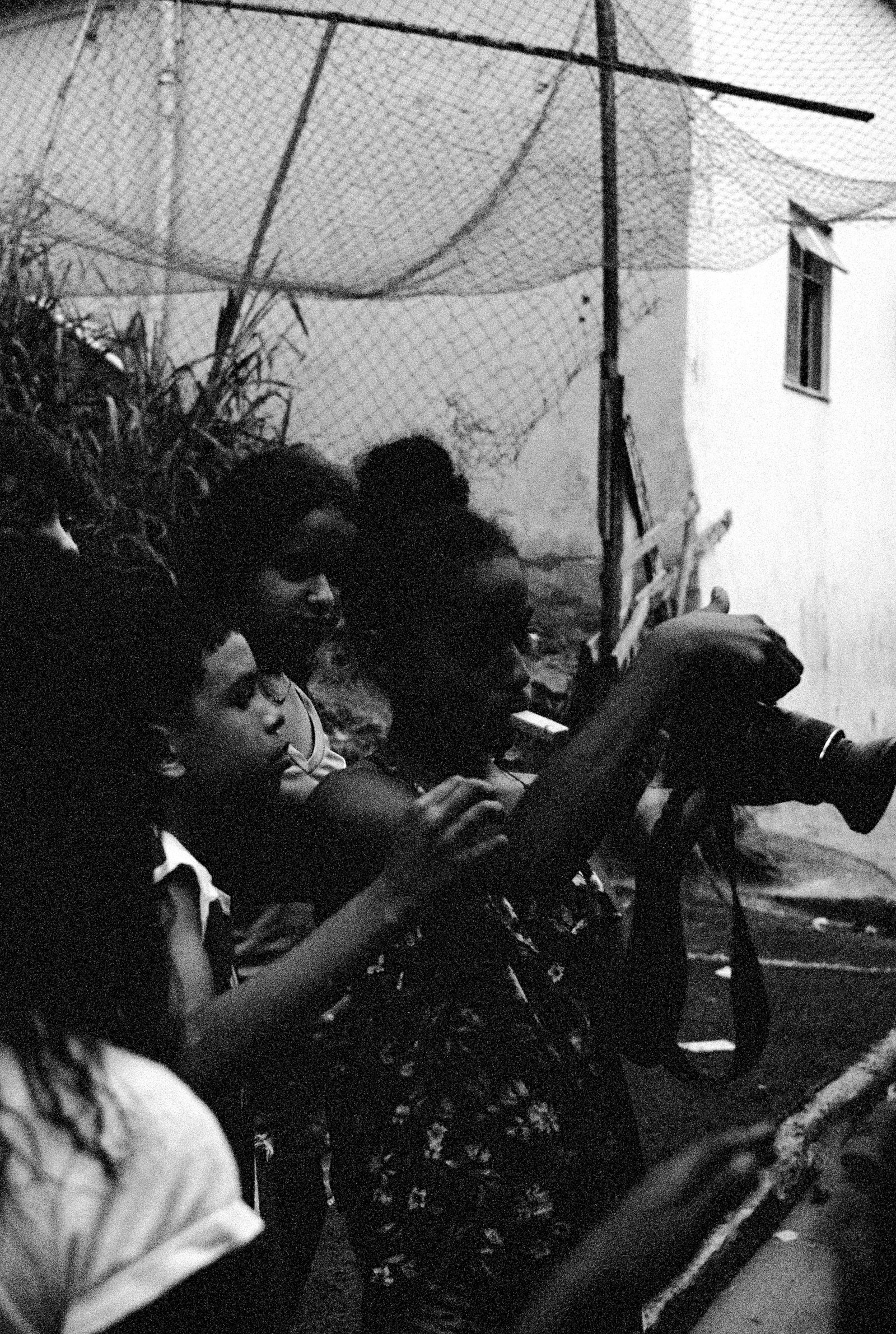
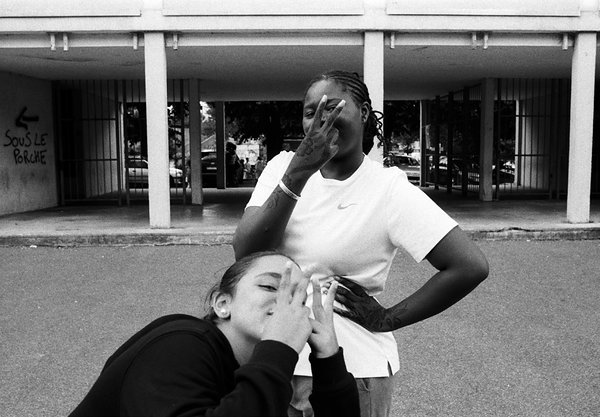
Posing, staging, choosing the light: with Fotogracria, a photograph also becomes an image built together.
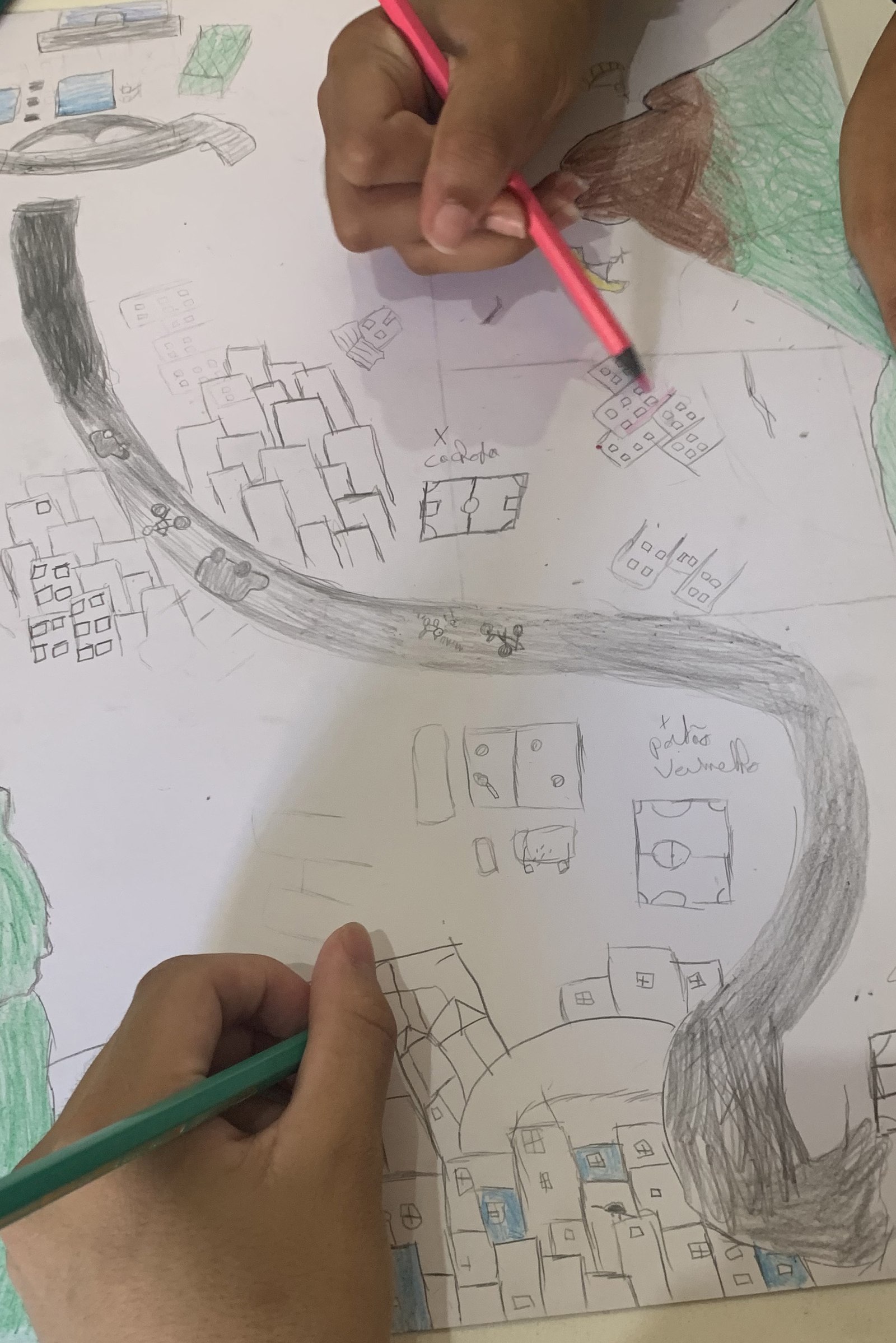
In 2024, everyone draws their own Rocinha: routes, loved places, avoided places. The map then guides the photo walks.
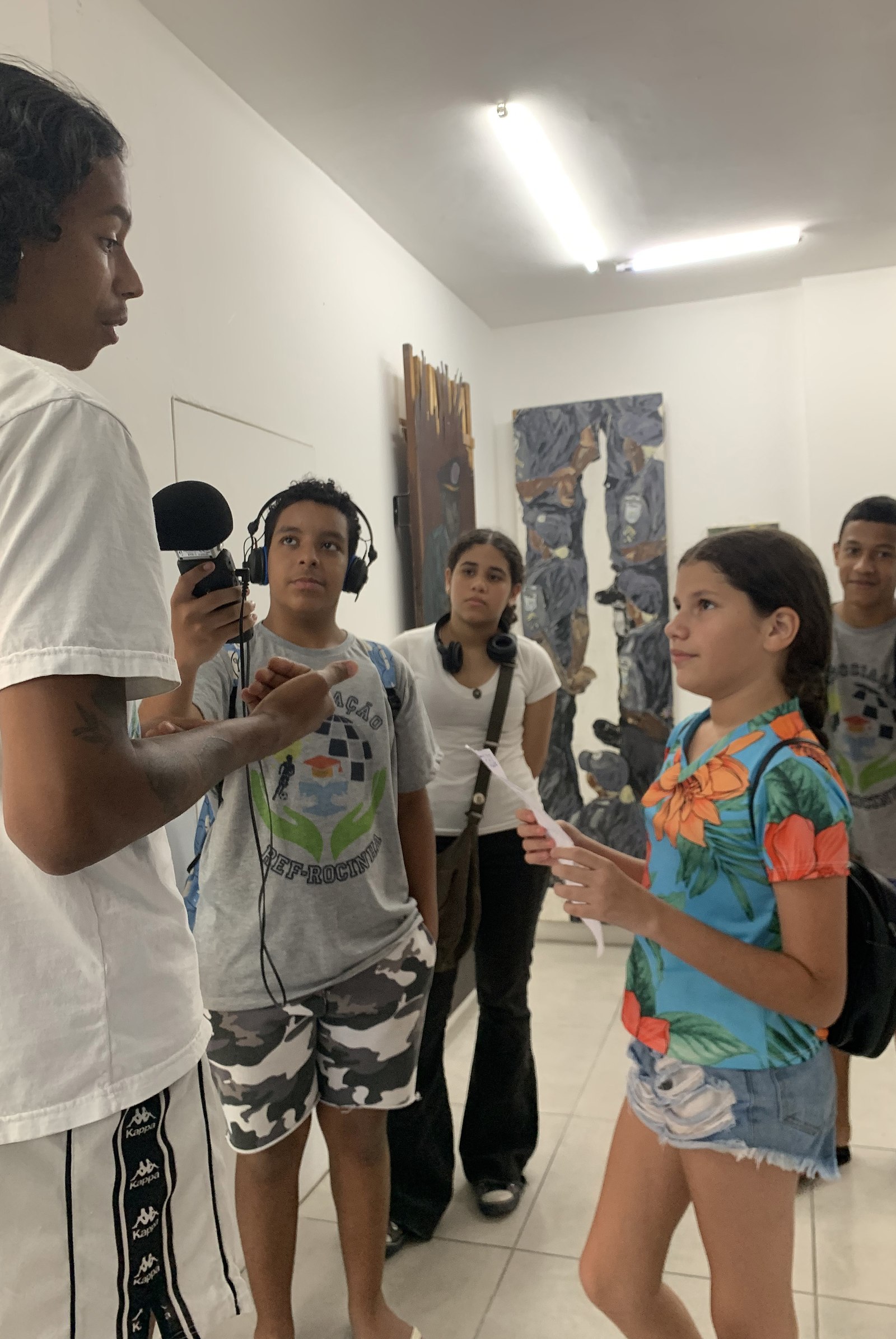
Short interviews with neighbours and relatives: listening before showing.
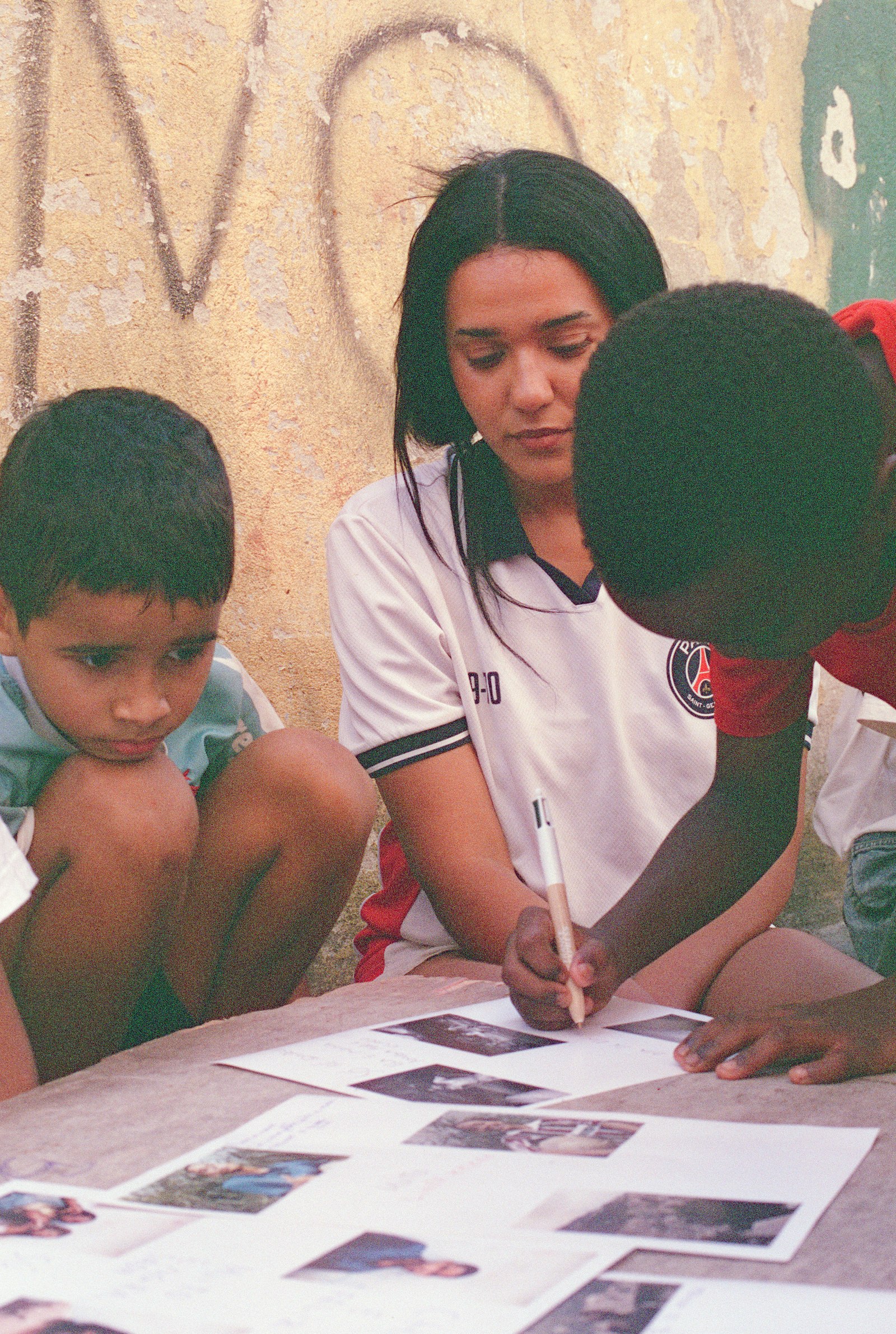
Each image gets a name and a sentence, in the language of the neighbourhood. That is where a way of seeing becomes a story.
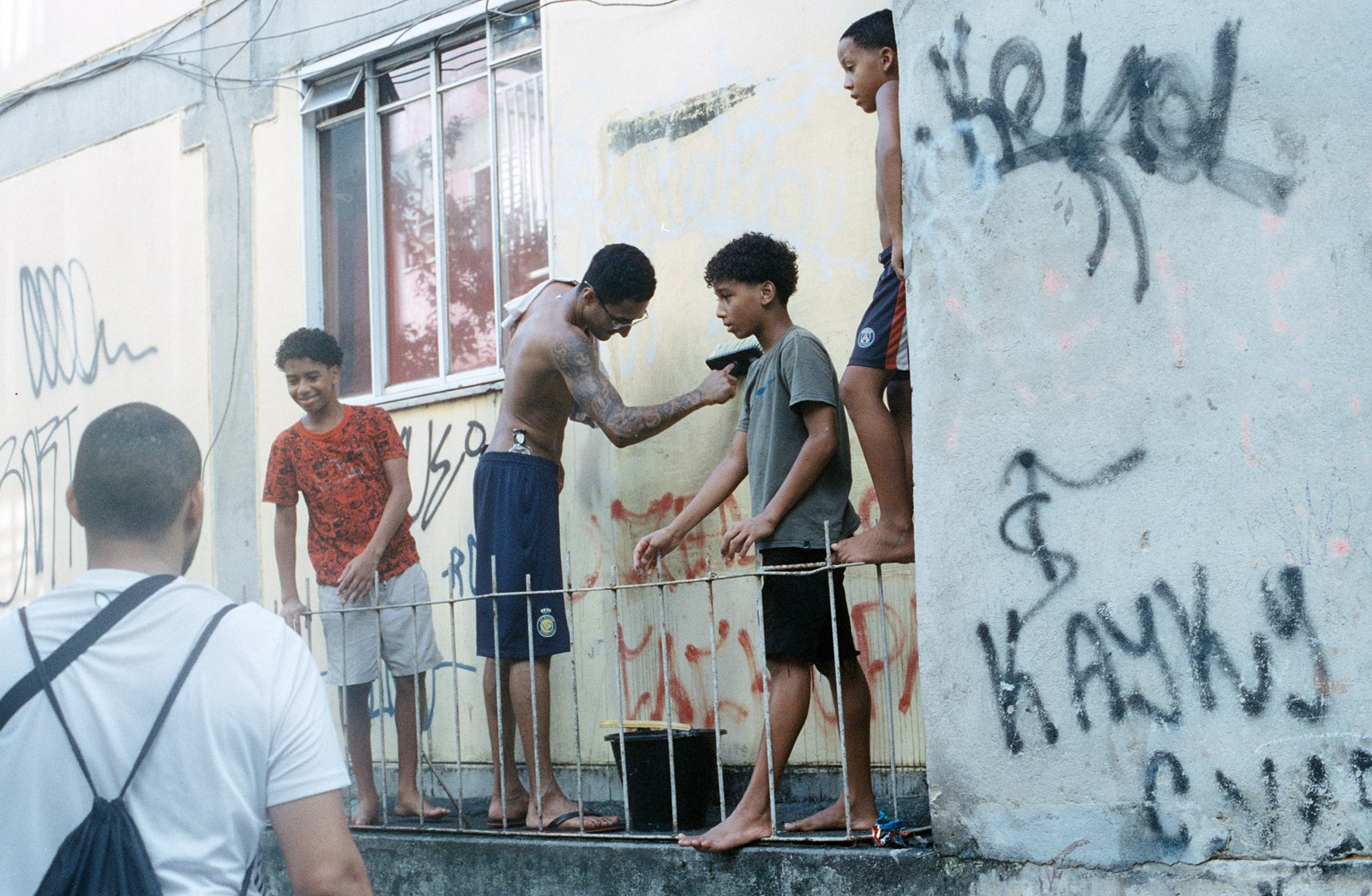
Large posters pasted onto walls with a brush: the exhibition moves into the street, with no opening hours and no ticket.
Archiving is an act of repair. Her family archives led her back to Rocinha’s Indigenous history. Her photographs of Maquininha, of Bruno, of the children of Rua 4 build, year after year, a memory that nobody else will keep for them.
Bruno, one of the first photographers she knew, started out photographing Rocinha’s bodyboarders. Today she is the one photographing him: the archive passes from hand to hand.
An archive is not a collection stored in a box: it is what goes back to the neighbourhood. Contact sheets pasted in the street, the authors’ first names, captions in their own words: the images of 2024 answer those of 2025, which answer those of 2026.
This site is its online form: a living, open archive, as easy to browse from Rocinha as from Montreuil, and one that will keep growing.
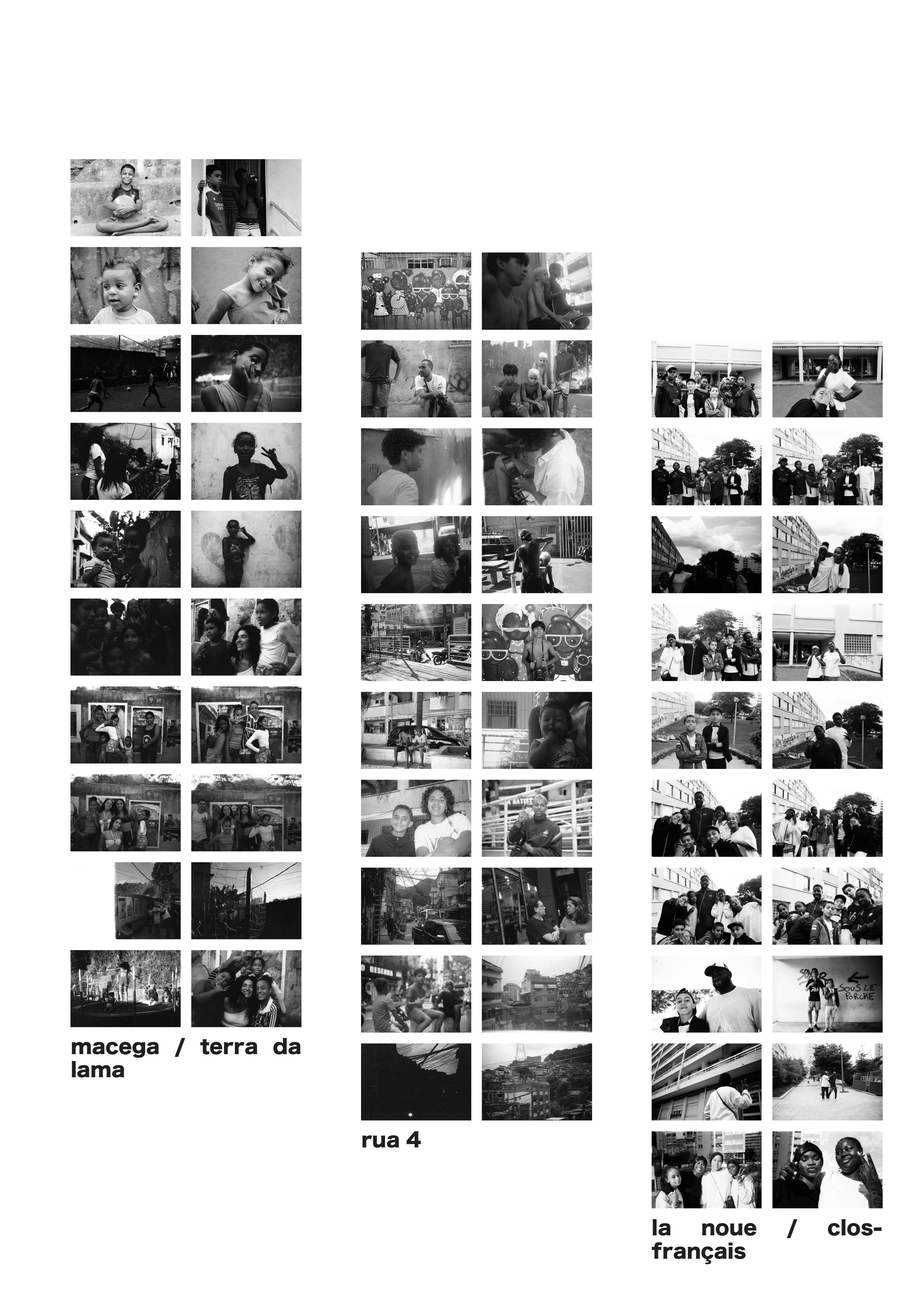
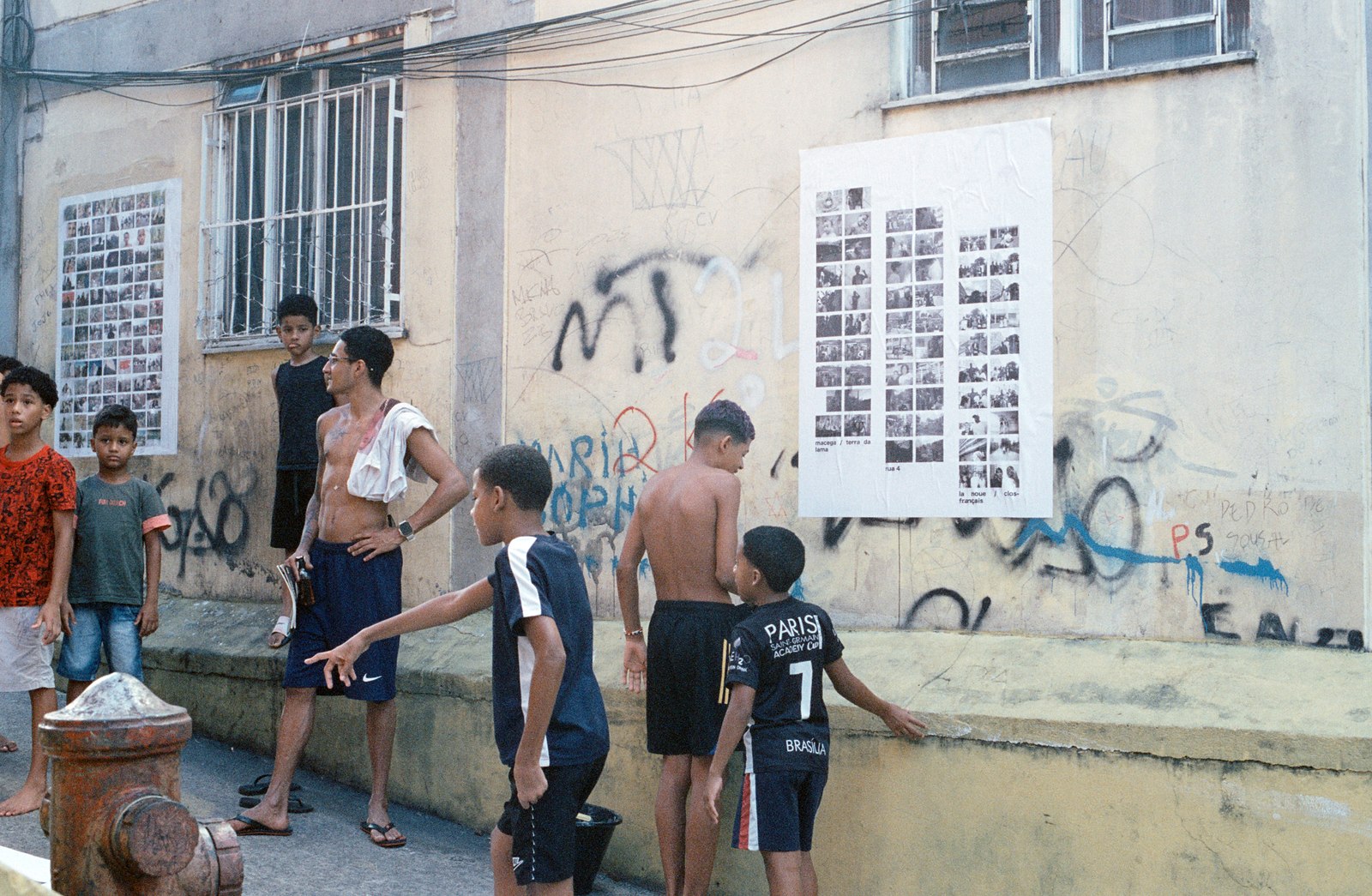
three contact sheets pasted side by side, 2026: macega / terra da lama · rua 4 · la noue / clos-français
Rather than bringing the community to the museum, make the favela the museum. All three exhibitions opened first in Rocinha, on its walls: large posters pasted with a brush in the alleys, on house fronts, outside a barber’s, at the foot of a staircase.
Passers-by stop, children find their own photos, neighbours recognise each other. A street exhibition has no opening hours, no ticket and no guard: it belongs to everyone, and it ages with the walls that carry it. That is what it means to turn working-class neighbourhoods into places of culture.
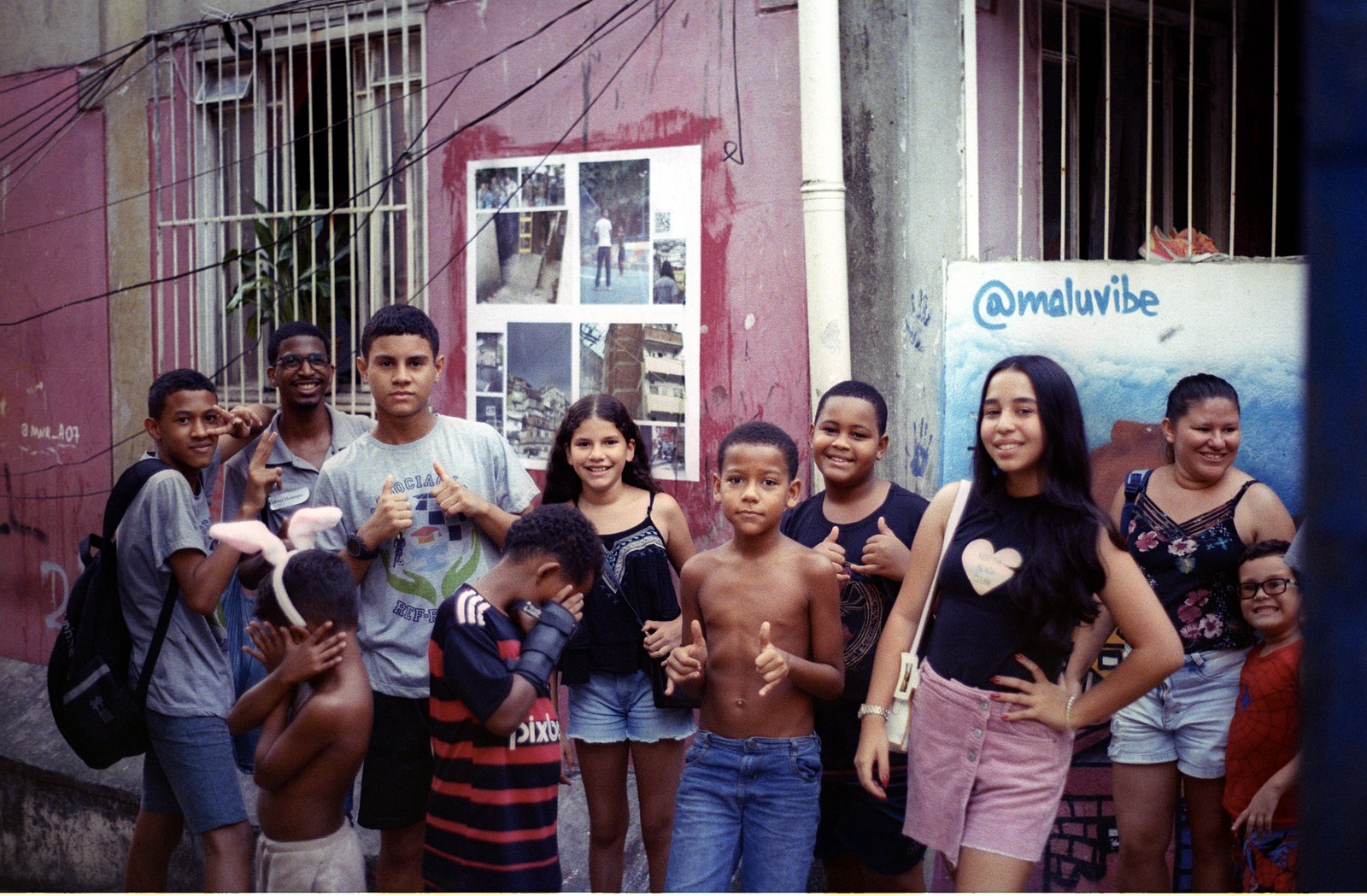 2024 · vibe da rocinhasee the exhibition →
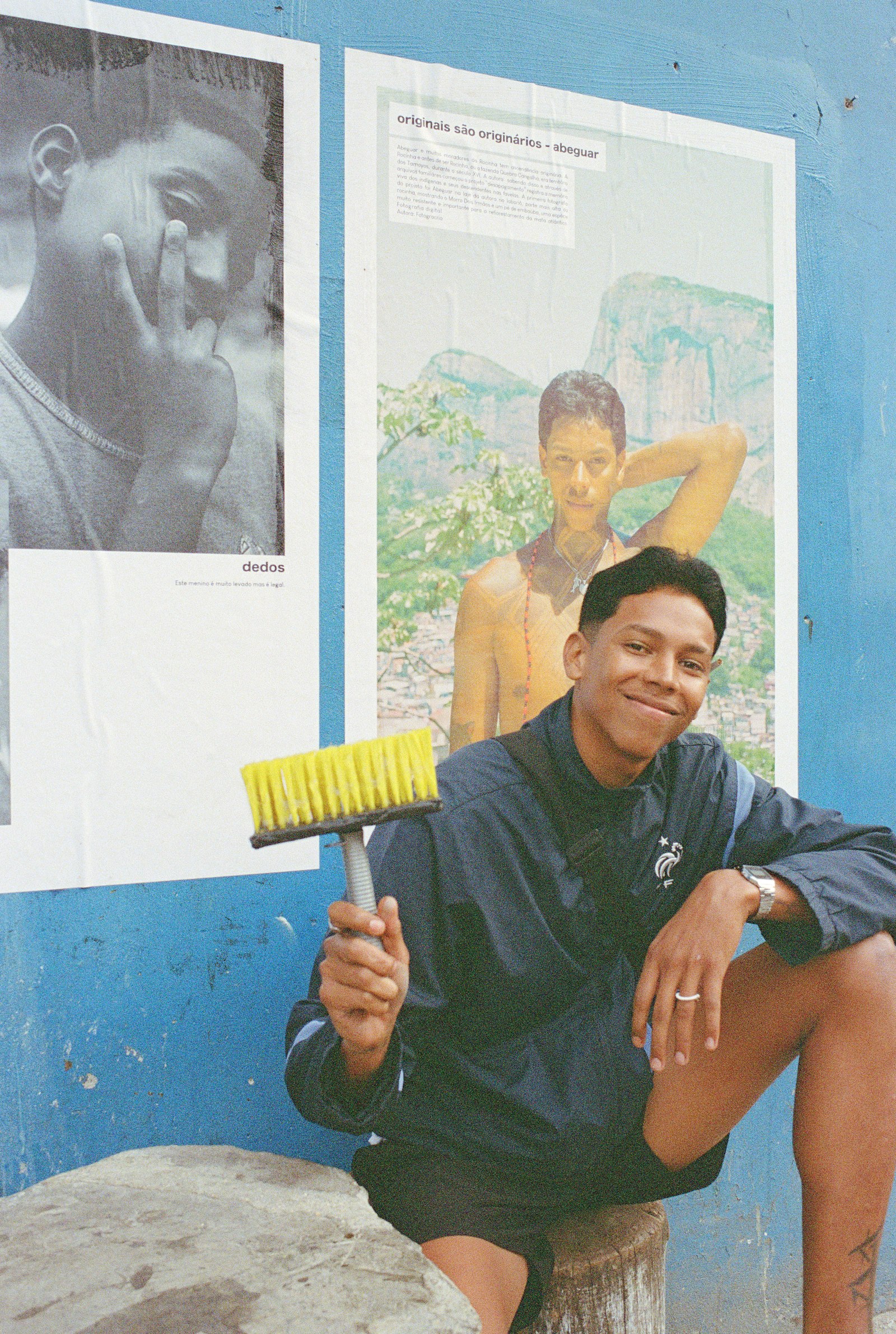 2025 · viver é um luxosee the exhibition →
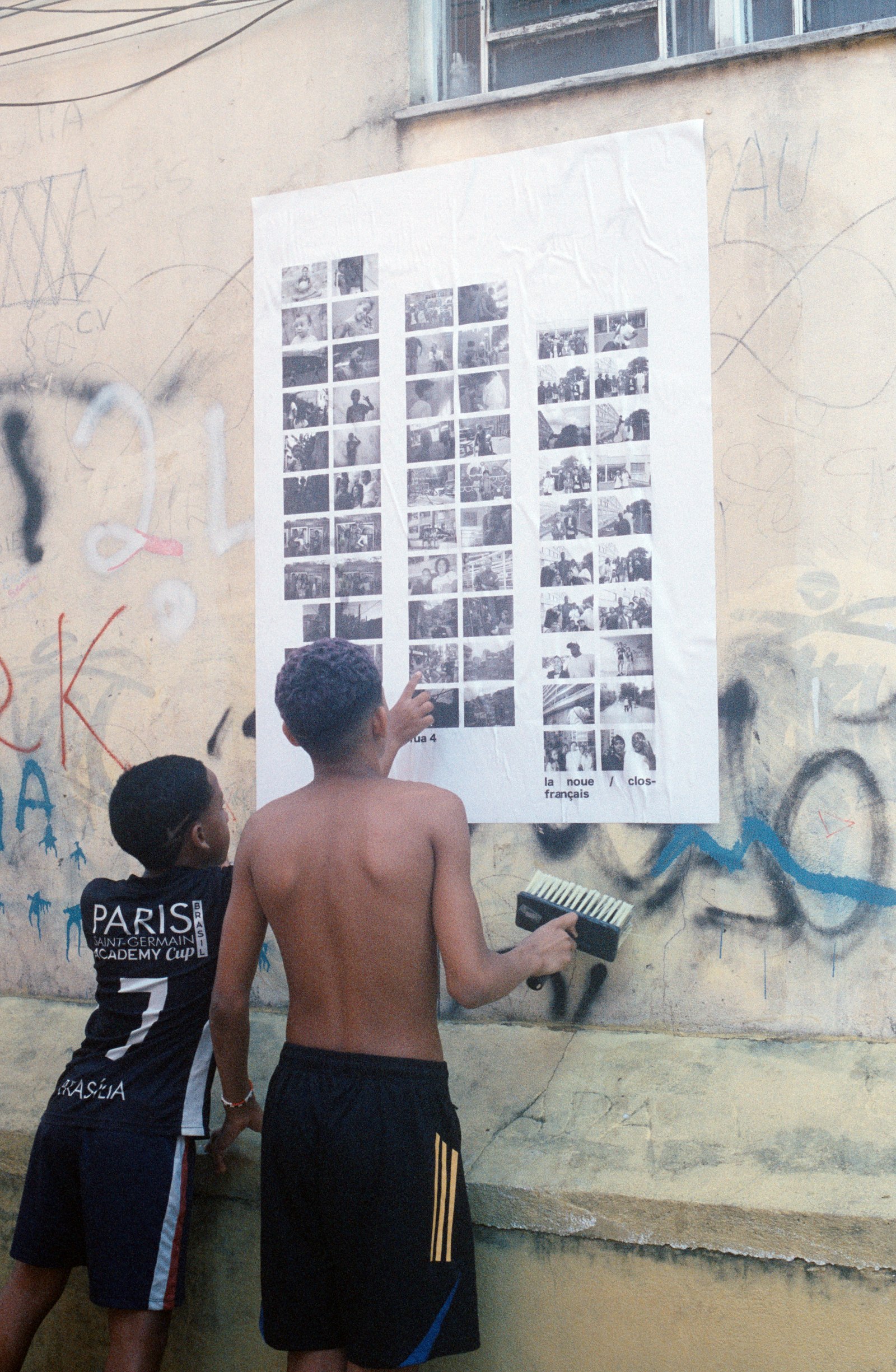 2025-2026 · os menor da rua 4see the exhibition →
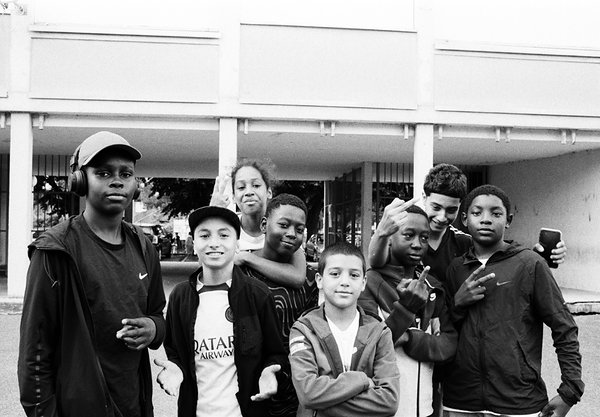
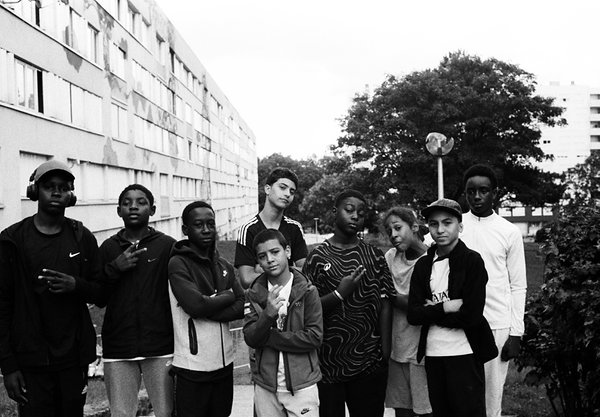
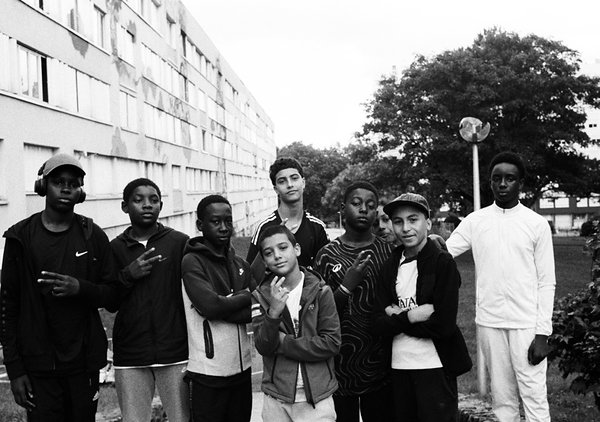
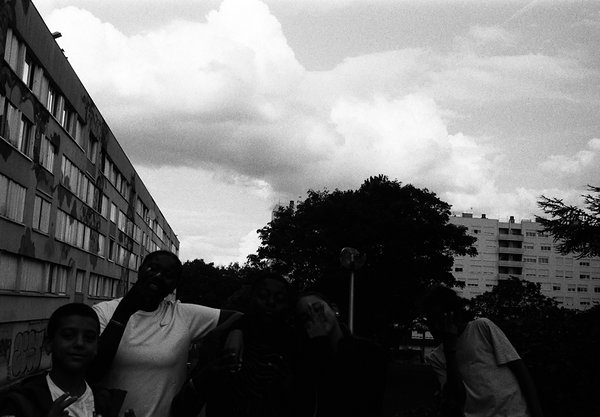
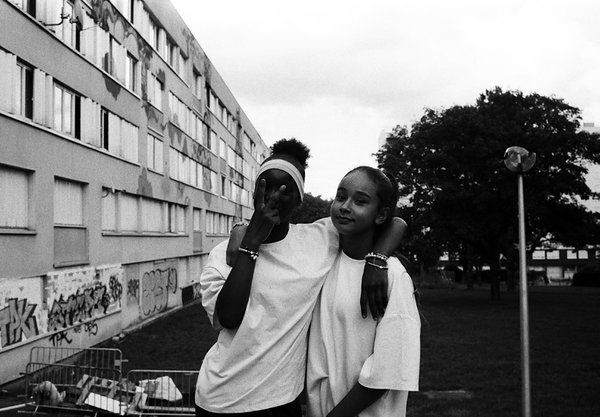
mOst works in working-class neighbourhoods in France and beyond: Maré in Rio, Valle de Chalco in Mexico, l’Almont in Melun, La Noue in Montreuil. With “os menor da rua 4”, two of these places spoke to each other directly: the children of La Noue / Clos Français introduced their neighbourhood to the children of Rua 4, and their photographs were pasted up in Rocinha, next to those from Macega and Rua 4.
Rocinha and Montreuil, Rua 4 and La Noue: each with its own language and energy, but with the same conviction: the peripheries are not the margins. They are a centre of creation, memory and future.
This is our neighbourhood: le monde est à Noue!the children of La Noue / Clos Français, Montreuil, 2025
see the three contact sheets →